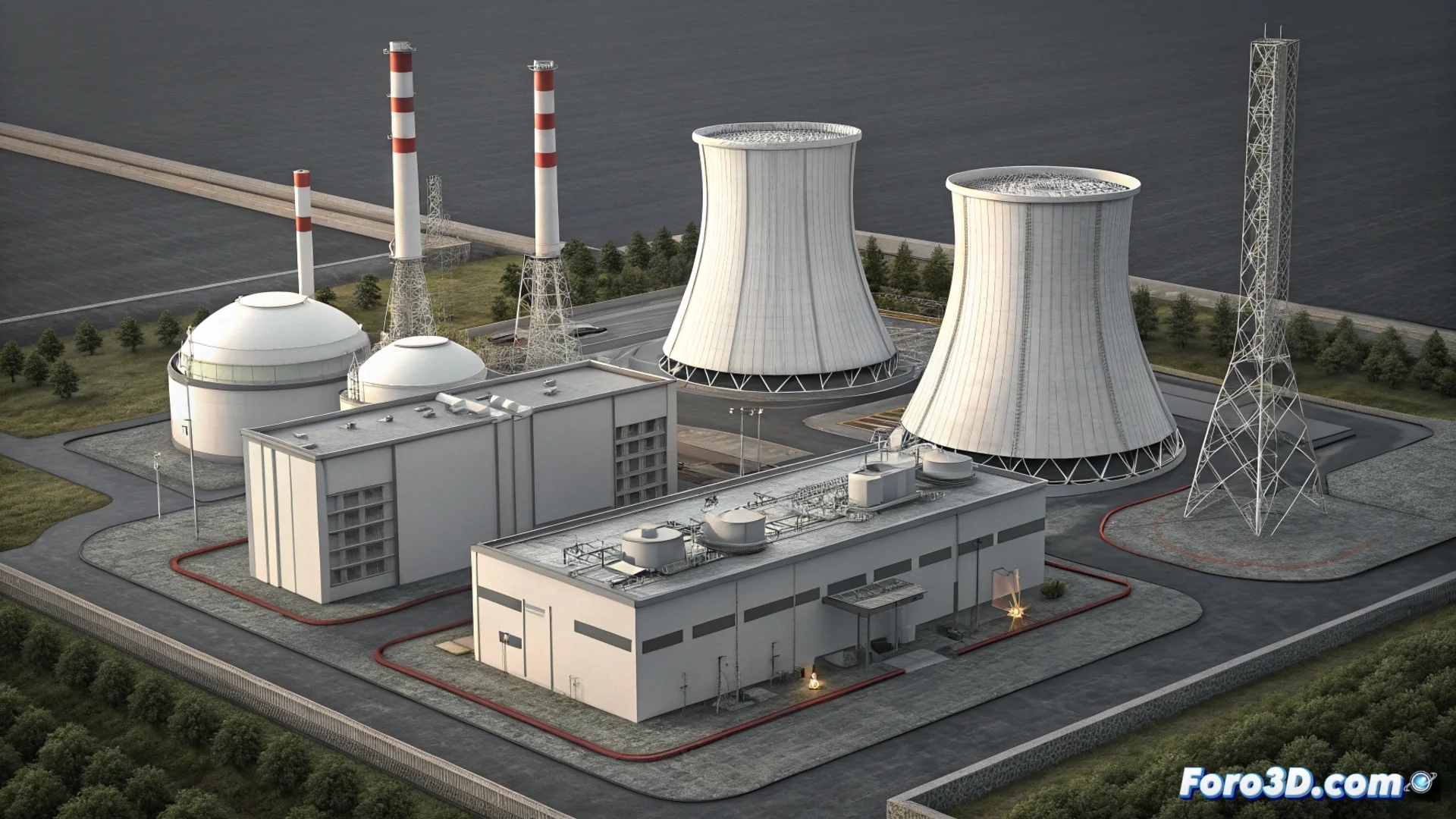
Small Modular Reactors: A New Way to Generate Nuclear Energy
The energy industry is exploring a different model with small modular reactors (SMRs). Unlike traditional plants, these systems are industrially manufactured in standardized modules that are then transported to the final site for assembly. This method radically changes how nuclear plants are built. ⚛️
Advantages of Series Manufacturing and On-Site Assembly
Building most of the plant in a controlled factory streamlines the process and significantly reduces costs. By avoiding the construction of much of the infrastructure directly on-site, timelines are shortened considerably. Their power output, lower than that of conventional reactors, makes them ideal for supplying areas with less electricity demand or for combining multiple units to progressively increase energy generation capacity.
Key SMR Design Features:- Series manufacturing within industrial plants.
- Transportation of complete modules for assembly at the point of use.
- Adaptable power suitable for supplying smaller grids.
Modularity not only accelerates construction but redefines the scalability of nuclear energy.
Intrinsic Safety through Natural Physical Principles
These reactors prioritize passive safety. Their designs leverage phenomena such as heat convection or the force of gravity to keep the core stable, minimizing reliance on complex active systems or immediate human intervention. For example, many models incorporate coolant reservoirs located at the top, ready to empty by gravity if an excessive temperature increase is detected. Their reduced size and the option to install them underground add an extra layer of protection against external threats.
Elements that Enhance Safety and Social Acceptance:- Gravity-based cooling systems that act automatically.
- Compact design that facilitates containment and protection.
- Possibility of underground location for greater protection.
Operational Flexibility and Role in the Energy Mix
The modular essence of these reactors provides a main advantage: adapting electricity generation to the needs of each region. A single module can be installed for a population or industry, or several can be grouped to form a larger power plant, adding capacity gradually. This flexibility positions them as an ideal complement to intermittent energy sources, such as solar or wind, by providing a stable and constant base load to the grid. Additionally, certain designs can generate heat for use in industrial processes or for desalinating seawater. 🔄
Pending Challenges in Fuel Cycle Management
Although they promise to simplify many aspects, an important challenge remains: managing spent nuclear fuel. The potentially more distributed nature of SMRs could complicate the logistics and infrastructure needed to handle these wastes in the long term. Resolving this aspect is crucial for the sustainable and large-scale deployment of this technology.