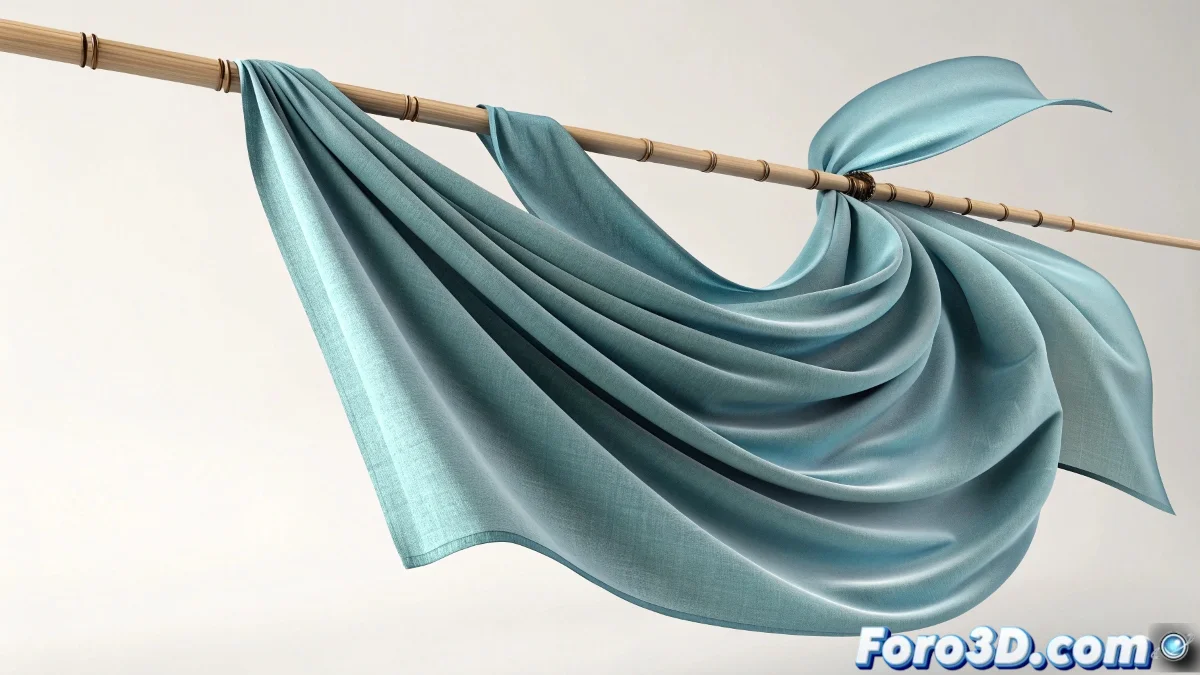
The Evolution of Cloth Simulation
Gone are the days of struggling with outdated systems like Reactor 🎪. Cloth simulation has undergone a revolution thanks to modern tools integrated into Maya, Blender, and specialized solutions like Marvelous Designer. Today, it's possible to create cloths that not only fall passively, but interact dynamically with moving objects, responding to their speed and direction in a surprisingly realistic way.
The Power of Constraints and Pins
The secret to having a cloth elegantly follow a moving object lies in the intelligent use of constraints or pins. In Blender, you can select specific vertices from the cloth mesh and anchor them directly to the object that will perform the dragging. When the object moves, these pinned points drag the rest of the cloth, creating natural and fluid deformations that respond to the physics of motion 📌.
A good cloth simulation is like a good dance: it follows the leader but with its own style.
Fine-Tuning Parameters for Realism
Achieving the desired behavior requires mastering several key physical parameters. Each adjustment contributes to how the cloth reacts to motion, creating that visual magic that makes the simulation believable.
- Mass: Defines the weight of the cloth; low values create light and volatile cloths
- Damping: Controls resistance to motion and how the cloth stops
- Substeps: Increases precision in fast movements to avoid artifacts
- Collisions: Prevents the cloth from penetrating the dragging object
Modern Tools for Every Need
The current ecosystem offers multiple options for different workflows and budgets. From integrated solutions to specialized software, each tool brings specific advantages for different types of projects.
- Blender Cloth Modifier: Powerful, free, and perfectly integrated
- Maya nCloth: Industrial solution with advanced constraint control
- Marvelous Designer: Specialized in patterns and complex cloths
- Houdini Vellum: Extreme precision for high-demand projects
Optimized Workflow
Following an organized methodology ensures consistent results and avoids frustrations. From preparing the assets to the final bake, each step contributes to the success of the simulation.
- Model or import the cloth and the dragging object
- Apply constraints to strategic vertices
- Adjust physical parameters according to the desired behavior
- Perform iterative tests and adjust substeps for fast movements
- Bake the final simulation for rendering
Mastering the Art of Simulation
Modern cloth simulation offers unprecedented control over the physical behavior of textiles. Experimenting with different constraint configurations and physical parameters allows achieving everything from subtle movements to spectacular dynamic effects. The key is understanding how these elements interact to create the perfect illusion of reality.
And when your cloth decides to become ethereal and pass through walls, remember: it's not a bug, it's a ghost feature 👻. After all, even ghosts need cloaks with good simulation.