Modern Synthesizers and the Problem of Obsolete Software
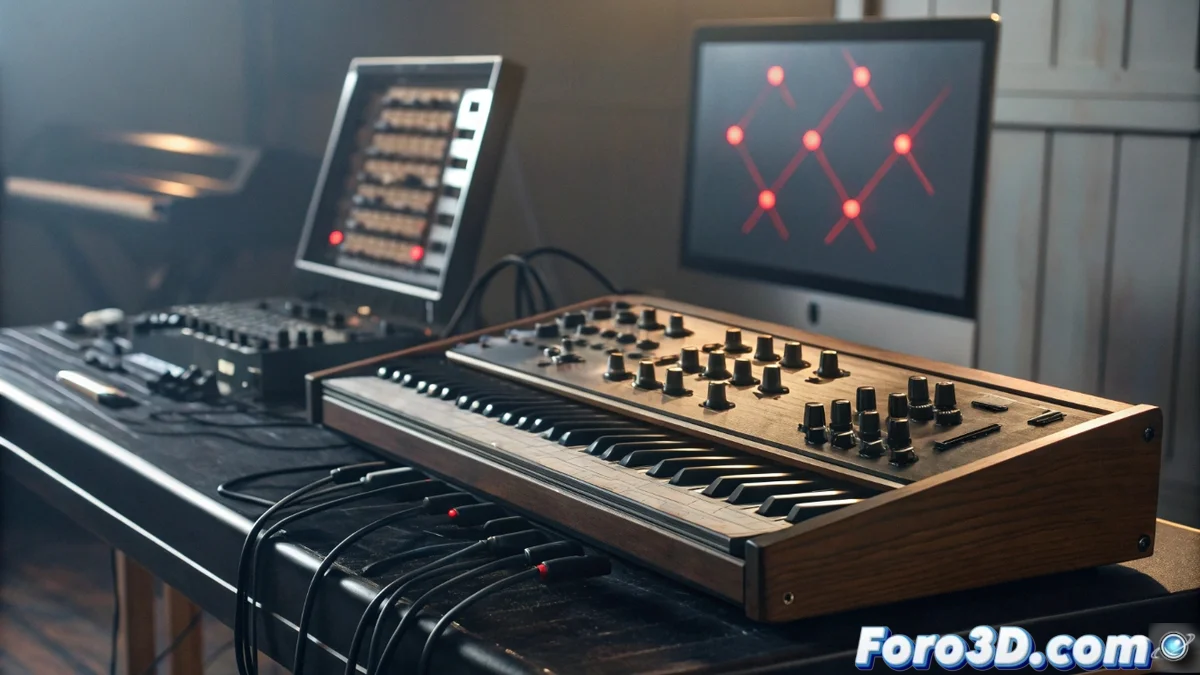
In today's world, digital synthesizers and musical keyboards heavily rely on specialized applications for advanced configuration and sound customization. However, this technological dependence creates a serious drawback when developers abandon updates, leaving the editing software incompatible with modern operating systems. Although the physical instrument remains fully functional, users lose access to numerous essential features. 🎹
Practical Solutions for Affected Musicians
Artists facing this issue have various alternatives to regain full control of their equipment. A common option involves using virtual machines with legacy operating systems where the original software still runs, though this requires considerable technical knowledge. Another effective approach is to turn to third-party applications created by enthusiast communities, which maintain compatibility with contemporary platforms. Some manufacturers provide firmware updates that reactivate basic functionalities without needing the obsolete program, while in extreme cases, reverse engineering communication protocols allows for the development of novel tools.
Key Strategies for Users:- Use virtual machines with legacy operating systems to run discontinued software
- Search for alternative editors and librarians developed by the user community
- Request official firmware updates that restore essential controls
It is paradoxical that in the digital age our musical gear can become less functional not due to physical wear, but due to software incompatibilities, as if our synthesizers were suffering from digital Alzheimer's while their hardware components remain young.
Prevention and Sustainable Alternatives
To avoid these setbacks with newly acquired equipment, it is crucial to research the manufacturer's support history and verify if they use open or documented protocols. Instruments that offer full control from the front panel, though less common, ensure greater independence from software. Various brands are transitioning to web applications or open standards like MIDI 2.0, which promise greater longevity. The user community is exerting growing pressure on manufacturers to release technical specifications when official support ends, facilitating independent developers to create enduring solutions.
Recommendations for Future Purchases:- Research the manufacturer's history of prolonged support before acquiring equipment
- Prioritize instruments with full controls from the front panel for greater autonomy
- Demand that brands adopt open standards and release technical documentation
Final Reflections on Technological Sustainability
Planned software obsolescence represents a significant challenge for musicians and producers who invest in high-end equipment. Community collaboration and collective pressure on manufacturers are essential to ensure that our musical instruments retain their full functionality over time. Adopting open standards and independent solutions not only preserves our investment but also fosters a more resilient and innovative musical ecosystem. 🎵