The Persistent Challenge of Camera Tracking
Matchmoving or camera tracking remains one of the biggest challenges in visual effects production 🎬. Although Boujou was considered a high-end tool for years, it has become obsolete today, especially when working with compressed formats from consumer cameras. Modern studios have migrated to more precise and versatile solutions that avoid the classic problems of this outdated software.
The Mystery of Inverted Axes
That frustrating experience of seeing your tracked camera moving in the opposite direction is more common than you think 🔄. Boujou often misinterprets the camera's orientation when there are no clear references in the scene. Current software allows manually defining ground planes and axis orientations from the start, eliminating these confusing inversions at the root.
A good camera solve is invisible; it's only noticeable when it fails.
The Importance of Shooting Intelligently
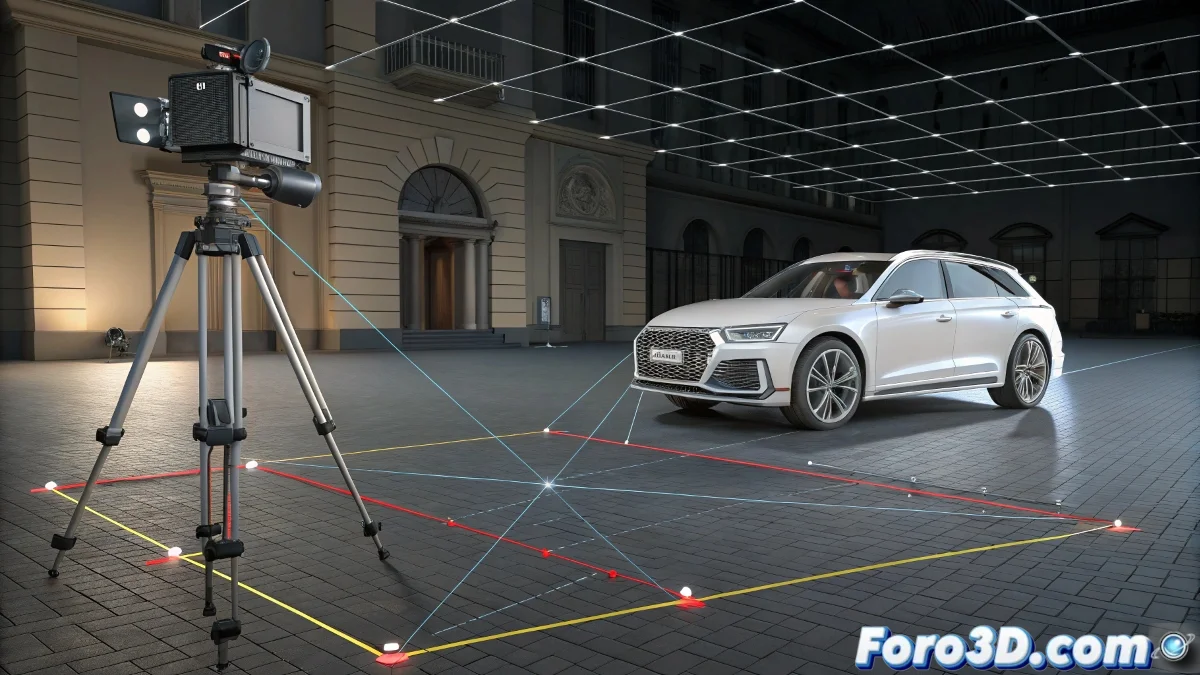
The solution starts even before sitting down in front of the software. Shooting with visible tracking markers provides invaluable anchor points. Avoiding highly compressed codecs like .mov from compact cameras and capturing with a high bit rate gives the software more information to detect stable features in each frame 🎥.
- Physical markers: Provide clear and precise reference points
- Quality codecs: Formats like ProRes or DNxHR preserve more details
- Camera metadata: Focal and distortion information that aids the solve
Modern Software for Professional Results
The market offers powerful alternatives that have far surpassed Boujou's limitations. These tools are not only more accessible but also incorporate advanced algorithms to handle modern problems like rolling shutter and complex lens distortion 💻.
- Blender: Its built-in tracker is free, robust, and actively supported
- NukeX: The standard in major studios with integrated compositing workflow
- PFTrack: Specialized in advanced tracking and scene reconstruction
- SynthEyes: Excellent value for money with correction tools
Optimized Workflow
Beyond specific software, following an organized pipeline makes the difference between success and failure. Establishing clear references from the start and constantly validating results avoids having to redo work hours later.
- Calibrate and correct lens distortion as the first step
- Manually define the ground plane and correct scale
- Use simple test objects before integrating complex assets
- Export with the appropriate coordinate system for the target 3D software
Migrating to Current Solutions
For artists who have been struggling with Boujou, transitioning to modern software is the real solution. Learning Blender's tracker, for example, opens up much greater creative possibilities without the cost of prohibitive licenses. These tools are specifically designed to solve the problems that outdated software cannot handle efficiently.
And if all else fails, you can always argue that your scene has non-Euclidean geometry... so the inverted axes become a deliberate artistic choice 🌀. After all, in the VFX world, sometimes selling the error as a feature is the most creative solution.