When the Tartessians Made Art (and 3D Immortalizes It) 🏺
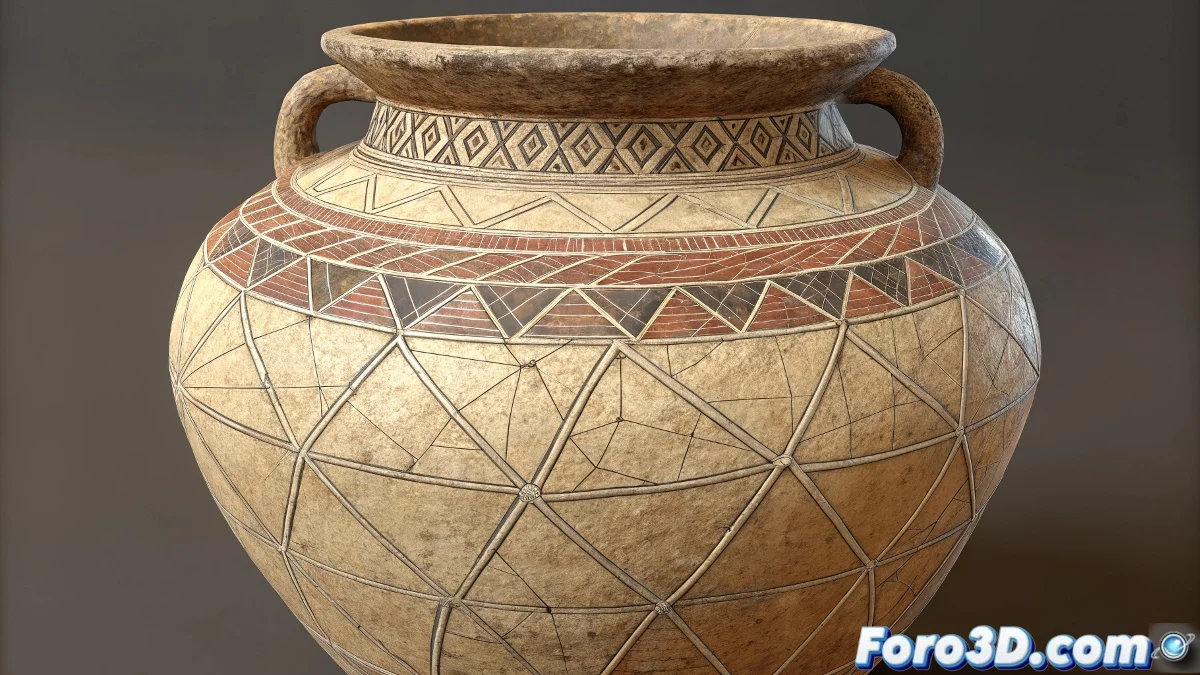
In the lands of Badajoz, the Tartessian civilization left a legacy that is now resurfacing digitally. Vessels with 2,500 years of history and mysterious engraved plaques are being scanned in 3D, proving that these ancient artisans were the concept artists of their time. Although, to be fair, their PBR textures were literally stone and clay.
What time eroded and the earth hid, digital technology reveals with millimeter precision: every stroke, every curve, and every lost symbol.
Techniques for Digitizing Tartessian Heritage
The process combines archaeology and cutting-edge technology:
- 3D scanning of fragile pieces without physical contact
- Multispectral photogrammetry to reveal details invisible to the human eye
- Digital reconstruction of missing parts based on symmetries and decorative patterns
The resulting models capture even the fingerprints of Tartessian potters... the first case of copyright in history. ✨
Deciphering the Tartessian Visual Language
The engravings on the schist plaque present a unique challenge:
- Volumetric interpretation of two-dimensional scenes
- Recreation of utensils and clothing represented
- Animation of rituals based on the positions and gestures of the figures
It's like solving an ancient comic where the speech bubbles are missing... but with more broken pottery.
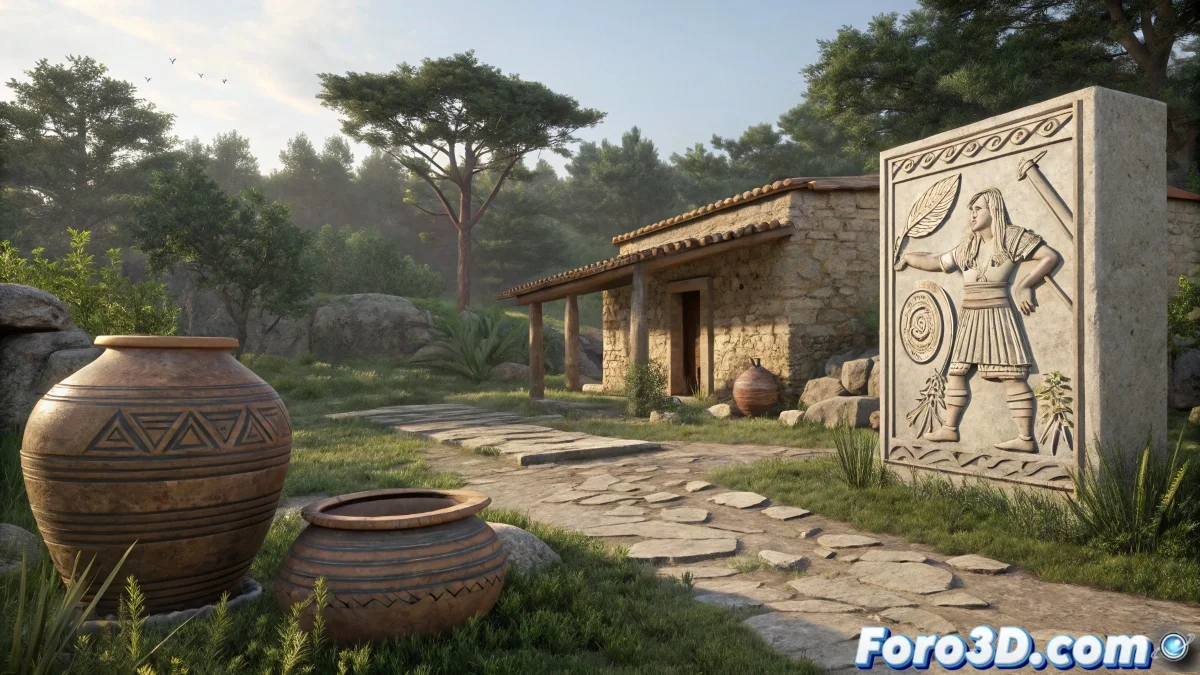
Tartessos in Augmented Reality
These reconstructions enable:
- Virtual tours of Tartessian craft workshops
- Interactive experiences of ceramic decoration
- Holographic visualization of rituals and daily life
The best part? You can "handle" these relics without the museum guards chasing you. 🏃♂️
Technical Secrets of Tartessian Ceramics
3D modeling reveals surprising details:
- Firing techniques visible in the digital textures
- Specific tools identified by manufacturing marks
- Pigments and glazes recreated using custom shaders
This data helps understand a civilization that mastered ceramic art centuries before the Greeks... although with fewer decorative amphorae and more practical vessels.
Bridging Past and Future
This project demonstrates how 3D can be a bridge between civilizations separated by millennia. While the Tartessians worked with clay and fire, we do it with polygons and pixels. Although, to be honest, our renders probably won't last as long as their vessels.
Now, if someone finds the Tartessian manual "How to Decorate Your Amphora in 10 Easy Steps," let us know... although it's probably written in a language no one has deciphered yet. 🔍