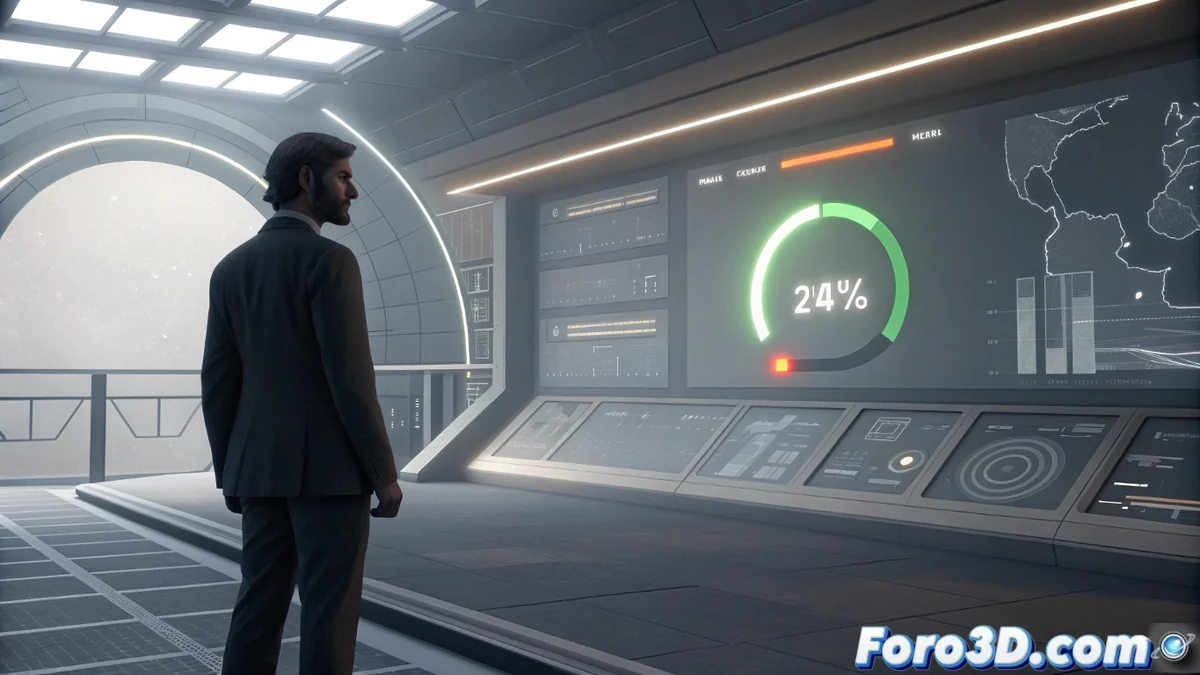
Deceptive Progress Indicators in Digital Interfaces
Decorative loading animations have become a recurring problem within modern interface design. Although visually appealing, these representations generate significant frustration when users cannot discern whether the system is genuinely processing information or simply executing an empty sequence of movements. 🔄
The Psychological Impact of Visual Progression
When a user observes any type of progress indicator, their mind immediately begins temporal calculations and anticipates concrete results. Infinite animations or indicators that regress without apparent reason activate brain alert mechanisms similar to those we experience in the face of unpredictable situations in everyday life. This neuropsychological response explains why users prefer indicators that show real progress, even when it is noticeably slow, over smooth but deceptive animations that hide the true state of the system.
Consequences of deceptive indicators:- Generation of anxiety and uncertainty in the user during critical processes
- Progressive erosion of trust in the platform or application
- Premature abandonment of processes due to lack of truthful feedback
Users value visual honesty over graphical spectacle, especially when they need to make decisions based on estimated waiting times.
Principles for Designing Transparent Indicators
The effective solution lies in implementing feedback systems that communicate with absolute transparency what is happening behind the interface. Stepped progresses, realistic time estimates, and contextual messages that explain delays in detail are considerably more effective than perfect but meaningless animations.
Key elements for honest indicators:- Numerical or percentage progress that reflects real system advances
- Contextual messages that explain specific causes of delays
- Time estimates based on real process data
Final Reflection on Visual Honesty
It is particularly interesting how we have evolved to prefer watching a progress bar that advances slowly but honestly, rather than an elegantly designed spinner that spins eternally like a hamster on a digital wheel, leading us nowhere but appearing highly sophisticated during the process. Transparency in design is consolidated as the fundamental pillar for building reliable and satisfactory user experiences. 💡