Mip mapping optimizes how textures are displayed in 3D
In the field of computer graphics, a fundamental technique to improve visual quality and optimize performance is Mip mapping. This method solves common problems that arise when applying textures to objects at different distances from the camera, ensuring a more stable and consistent image 🎮.
The mechanism behind the MIP chain
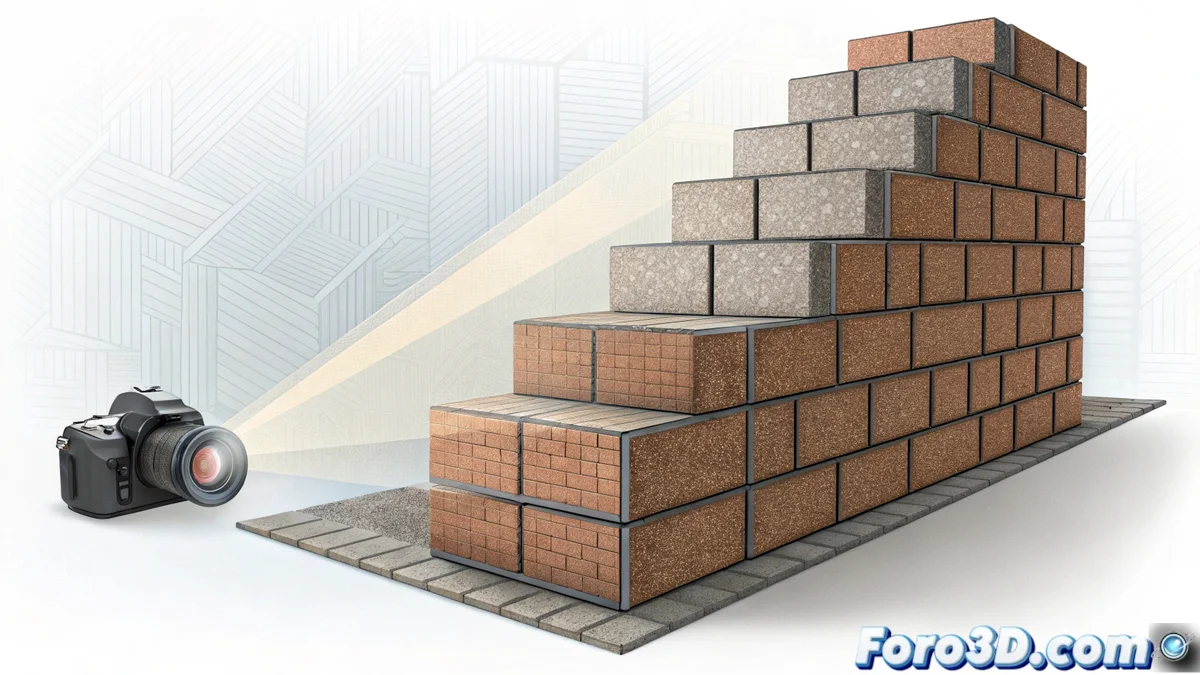
The core of this technique lies in precalculating a series of versions of the same texture. The system automatically generates a MIP chain, where each new level has half the resolution of the previous one. When rendering a scene, the graphics engine evaluates the object's distance and selects the chain level that best fits, thus avoiding sampling a high-resolution texture for a distant pixel.
Key filtering process:- Create multiple versions of a texture, increasingly smaller.
- Calculate the required level of detail (LOD) for each fragment on screen.
- Use the corresponding MIP level instead of the full source texture.
MIP filtering, especially when combined with trilinear or anisotropic techniques, smooths transitions and eliminates flickering and noise effects on distant surfaces.
Benefits of applying Mip mapping
Implementing this system brings tangible advantages for both image quality and hardware efficiency. The most notable improvement is the drastic reduction of aliasing, that effect of jagged edges and moiré patterns in textures that move away. Additionally, it intelligently optimizes the use of system resources.
Main advantages:- Eliminates visual artifacts such as flickering and distortion in distant textures.
- Reduces the load on memory and GPU bandwidth by avoiding unnecessary accesses to maximum resolution textures.
- Allows smoother performance in real-time applications, such as video games or simulators.
Impact on modern visualization
Although some may nostalgically remember the characteristic pixelation of old graphics, Mip mapping has become an indispensable standard. It allows a brick wall to look like one, and not like a mosaic of changing colors, achieving a perfect balance between visual fidelity and computational efficiency. Its use is crucial for producing immersive and high-performance visual experiences 🖥️.