In the world of additive manufacturing, reducing downtime in the workshop is crucial to maintaining profitability and efficiency. Every minute a machine is out of service represents a direct economic loss, as machines are the backbone of production. Fortunately, the use of monitoring, tracking, and management tools can help reduce this downtime and ensure continuous operation.
Causes of Downtime in the Factory
In additive manufacturing facilities, there are two main causes of downtime: those related to the process and those related to safety.
Process-Related Downtime
One of the main reasons for downtime in additive manufacturing is print failures. This problem is more common when machines operate unsupervised overnight, which can result in defective prints and material loss. Early detection of these failures can prevent resource waste, significantly reducing downtime.
Safety-Related Downtime
Another important factor contributing to downtime is safety. Security breaches, such as theft or destruction of equipment, can cause significant disruptions in operations. In extreme cases, industrial espionage can also be a threat. Implementing appropriate security measures is essential to minimize this type of downtime.
Reducing Downtime in Additive Manufacturing Facilities
There are several ways to reduce downtime in additive manufacturing facilities, both through the use of surveillance technology and specialized downtime monitoring software.
Reducing Safety-Related Downtime
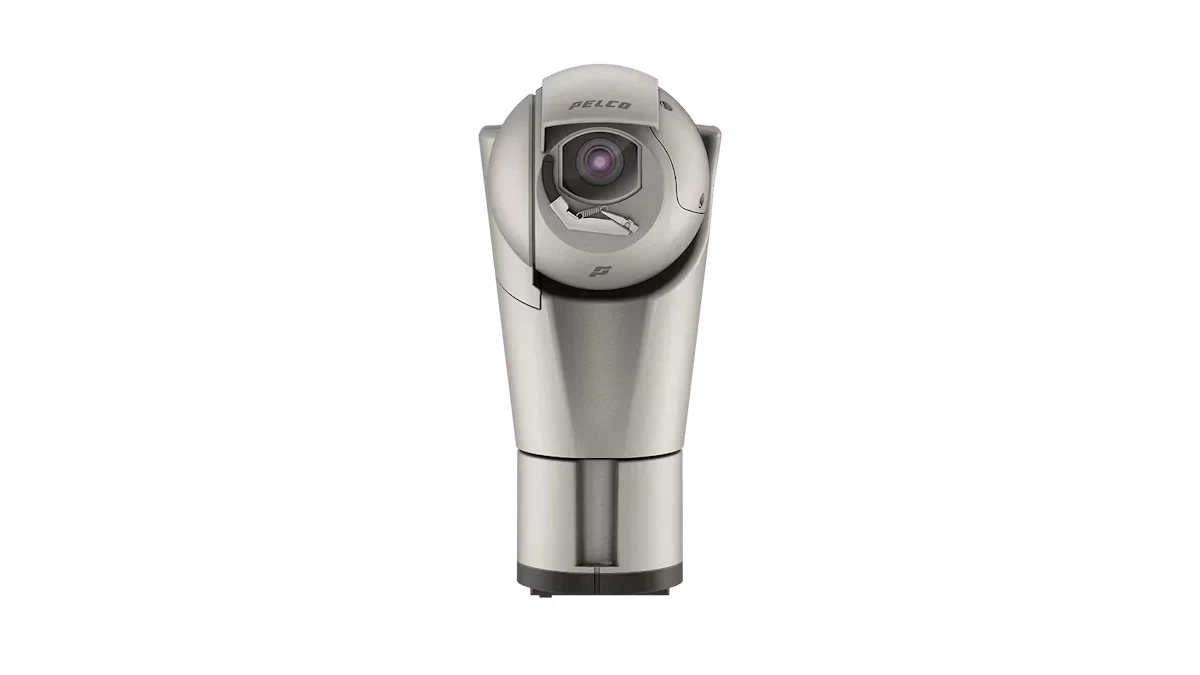
Surveillance cameras are an effective tool for monitoring factories and protecting equipment. These cameras, when strategically placed, can detect unusual activities, such as unauthorized access to restricted areas, machine sabotage, or material theft. Cameras equipped with motion detection and facial recognition can control access points, ensuring that only authorized personnel have access to sensitive areas.
- Automatic alerts can be notified in case of a security breach, allowing for immediate intervention.
- Advanced surveillance systems can integrate with access control mechanisms, such as proximity cards or biometric readers.
- If unauthorized entry is detected, the system can lock down the affected area and alert those responsible.
Reducing Downtime Due to Print Failures
Print failures are common in 3D printing, but the impact of these failures can be mitigated through the use of monitoring tools. High-definition cameras allow visualization of the print progress, and the use of artificial intelligence (AI) can help identify common issues, such as warping, layer shifts, or extrusion problems.
- Operators receive real-time notifications when a problem is detected, allowing intervention before material is wasted.
- Downtime monitoring software analyzes machine parameters, such as extrusion rates, bed level, and temperature consistency.
- If a problem arises, operators can stop or adjust the print before more resources are lost.
Integration of Surveillance and Monitoring Systems
Integrating surveillance systems with downtime monitoring software offers a unified solution for managing 3D printer performance. For example, if a camera detects irregular filament movement during a print, the monitoring software can correlate this with extrusion rate data to confirm a jam.
- This type of integrated system reduces reliance on manual inspections, optimizing operations and reducing labor costs.
- Cloud-based platforms allow remote monitoring and control of systems, facilitating supervision of multiple machines from anywhere with an Internet connection.
Benefits of Implementing Surveillance Cameras
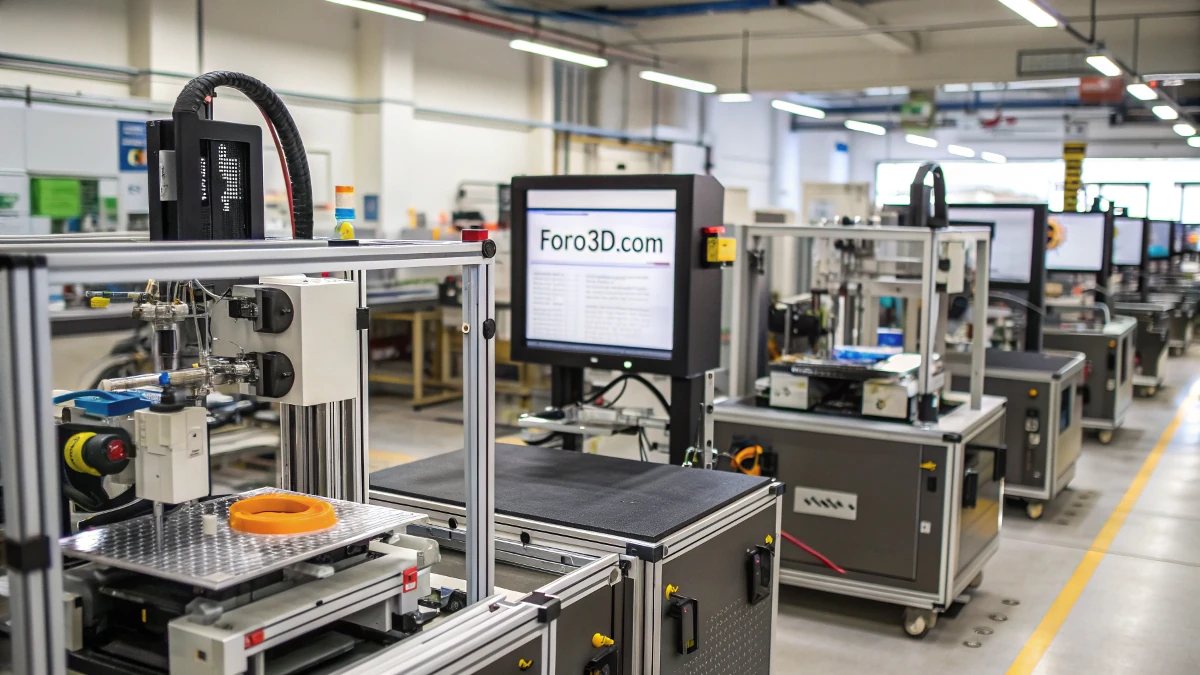
Implementing surveillance cameras in additive manufacturing facilities offers numerous benefits, including:
- Improved security: Reduction in the risk of theft, vandalism, and unauthorized access.
- Greater efficiency: Early detection of print issues minimizes material waste and machine downtime.
- Proactive maintenance: Data obtained through surveillance facilitates preventive maintenance, extending equipment lifespan.
- Cost savings: Reduced downtime translates directly into higher profits and a better return on investment.
- Compliance with safety standards: Monitoring activities within the factory ensures proper use of machinery and compliance with safety regulations.
In Summary, to Be Brief
In additive manufacturing, downtime is primarily due to security issues and print failures. However, by incorporating surveillance cameras and downtime monitoring software, facilities can address these issues efficiently, keeping operations smooth and increasing profitability.