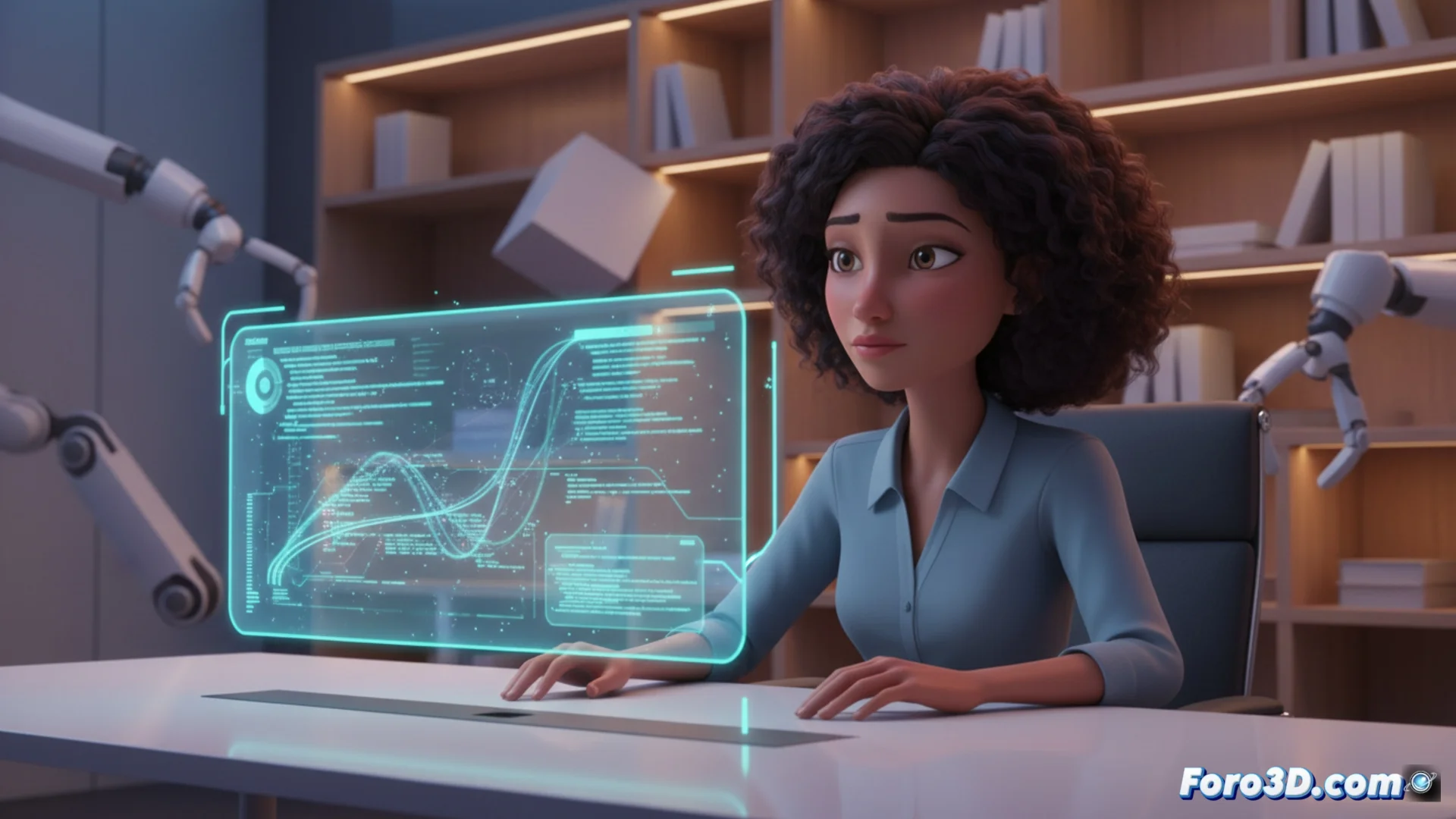
Microsoft Replaces Its Technical Library with Artificial Intelligence
The technology company takes a decisive step by permanently closing its physical archive of manuals, a resource that its engineers used for decades. In its place, it implements a learning system based on generative AI so that workers can resolve their doubts. This move is part of a global strategy to integrate AI into all its internal workflows and make information management more efficient. 🤖
From Physical Archive to Real-Time Digital Assistant
The space that previously stored volumes of project documentation no longer receives new materials. Microsoft develops a platform powered by AI that examines the company's entire digital repository. This tool is designed to interpret employee queries and produce summaries, code snippets, or practical solutions obtained from validated internal sources. The main goal is to reduce the time wasted searching for data and streamline how technical problems are solved.
Key features of the new system:- Analyzes and synthesizes information from a vast corporate digital repository.
- Generates contextual responses, such as code examples or steps to resolve incidents.
- Extracts knowledge solely from verified internal sources to ensure accuracy.
"Now new employees won't ask 'where is the manual?', but 'what is the correct prompt?'."
A Model That Evolves and Learns Continuously
This method proposes adaptive and constantly updating learning. Unlike a static document that can become obsolete, AI can refresh its responses with the latest data from code repositories, bug reports, and meeting minutes. The company maintains that this promotes a culture of practical resolution, where knowledge is not stored on a shelf but mobilized and applied directly to daily tasks. However, some veterans express some nostalgia for the value of deep research and serendipitous discoveries that the paper library allowed.
Advantages of the AI approach:- Responses are automatically updated with the latest available information.
- Encourages applying knowledge directly to daily work, dynamizing it.
- Adapts in real time to the context and specific needs of the user.
Reconfiguring the Culture of Technical Knowledge
This change symbolizes a profound transformation in how knowledge is managed and shared within a large technology corporation. Trust is placed in generative AI tools to offer faster and more personalized assistance than static documents. The challenge now lies in balancing machine efficiency with the depth and serendipity offered by traditional methods. 🔄