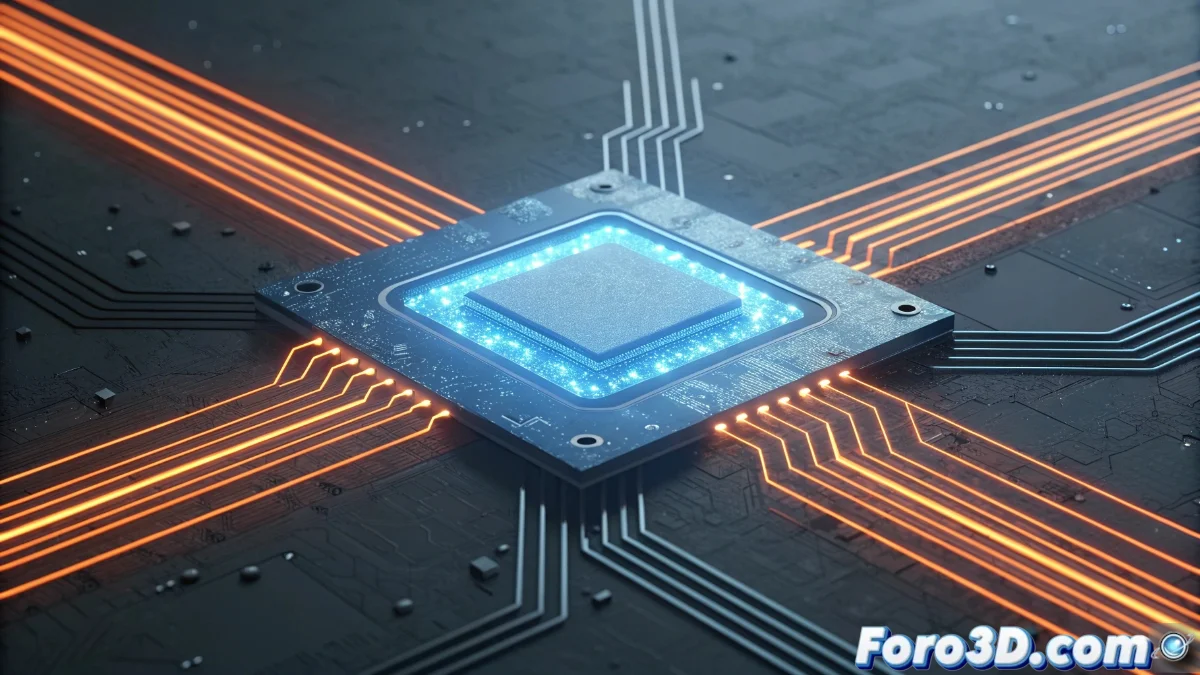
Microfluidics for Artificial Intelligence Chip Cooling
Artificial intelligence demands ever more power, generating critical thermal challenges in processors. Microfluidics emerges as an innovative solution by incorporating microchannels directly into the silicon, allowing coolant fluids to circulate at a microscopic scale and extract heat with superior efficiency compared to traditional methods. This technology not only optimizes immediate performance but also enables denser and more complex chip designs, overcoming thermal barriers that previously limited technological advancement. 🔥
Advantages in Energy Efficiency and Sustainability
Microfluidic cooling systems revolutionize thermal management in data centers, drastically reducing electricity consumption associated with conventional cooling. By maintaining optimal temperatures constantly, computational performance is maximized and the carbon footprint is minimized, resulting in more economical and eco-friendly operations. This is especially crucial in high-performance applications, such as large-scale AI model training, where excess heat represents a significant bottleneck. 🌱
Key Benefits of Microfluidics:- Reduction in cooling energy consumption by up to 40% compared to traditional systems
- Ability to keep chips at stable temperatures, extending their lifespan and performance
- Enabling more compact and powerful processor architectures, previously unfeasible due to thermal limitations
Integrating microchannels into chips not only solves heat problems but redefines what's possible in hardware design for AI.
Technical Challenges and Path to Mass Adoption
Despite its potential, microfluidic technology faces significant obstacles in manufacturing and reliability. Creating microchannels within silicon wafers requires high-precision and costly processes, while preventing leaks and ensuring long-term durability are central concerns. Researchers are developing advanced materials and improved sealing techniques, as well as working on standardizing protocols to integrate this solution into existing production lines, facilitating the transition from current cooling methods. ⚙️
Main Challenges to Overcome:- Manufacturing processes requiring nanometric tolerances and specialized equipment
- Ensuring the tightness and resistance of microchannels under extreme operating conditions
- Adapting current production chains to incorporate microfluidic components without disrupting costs
Future and Prospects of Integrated Cooling
The advance toward chips with built-in circulatory systems seems inevitable, where fluids would act as "virtual red blood cells" transporting heat efficiently. This evolution will not only impact artificial intelligence but also other fields like high-performance computing and consumer electronics. Microfluidics promises a future with more powerful, sustainable, and compact devices, transforming our relationship with technology and its thermal management. 🚀