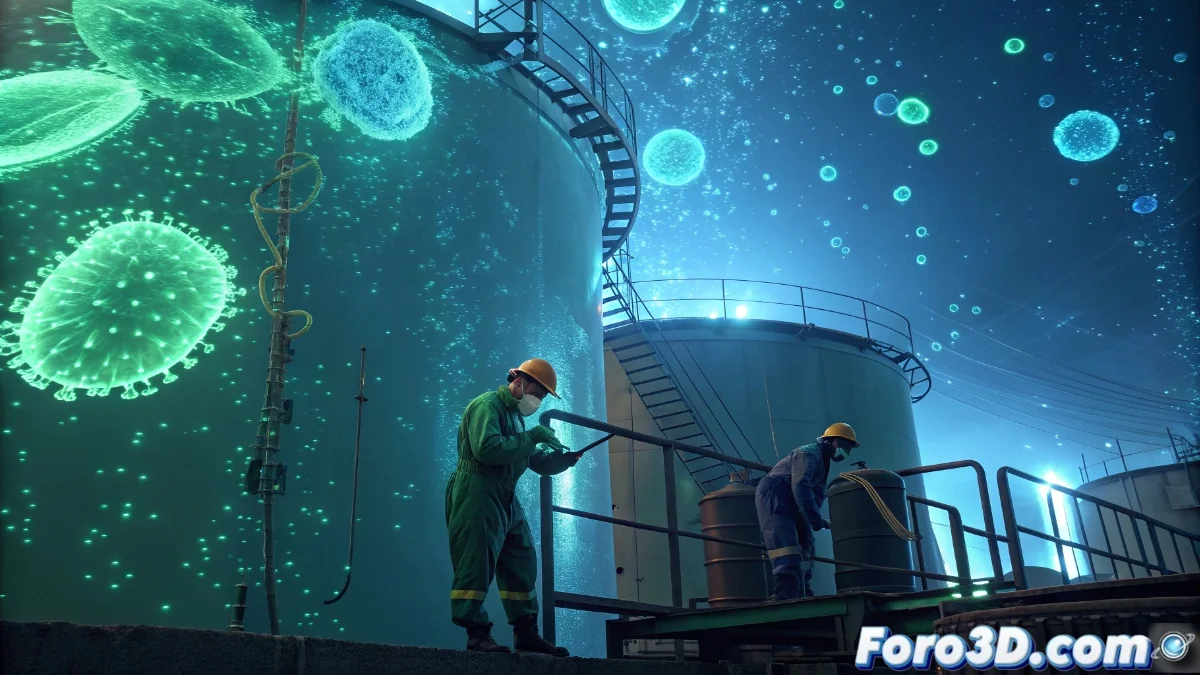
Microbes as Allies Against Climate Change: Capturing Carbon for a Sustainable Future
In the search for innovative solutions to climate change, microorganisms emerge as extraordinary biotechnological tools capable of transforming atmospheric carbon dioxide into valuable resources. These tiny life forms, which include cyanobacteria and various algae, use natural mechanisms like photosynthesis to absorb polluting emissions directly from industrial sources, thereby generating usable biomass while cleaning our air 🌱.
Natural Mechanisms of Capture and Transformation
Microorganisms deploy diverse metabolic strategies to fix carbon, with photosynthetic processes in microalgae standing out, converting CO2 and solar energy into complex organic compounds. In biorefinery facilities, these compounds undergo controlled fermentation or enzymatic treatment to produce advanced biofuels such as biodiesel and bioethanol. Chemoautotrophic bacteria complement these processes by operating in the absence of light, using chemical energy derived from hydrogen or other sources. Modern genetic engineering enhances these natural capabilities by designing optimized microbial strains that maximize both capture efficiency and the yield of high-value commercial byproducts.
Main microbial strategies:- Accelerated photosynthesis: Microalgae and cyanobacteria that double the natural CO2 absorption capacity
- Specialized fermentation: Biochemical processes that transform captured carbon into biofuels
- Chemoautotrophic metabolism: Bacteria that fix carbon using chemical energy in dark conditions
Nature offers us the most sophisticated tools to solve our environmental problems; we just need to learn to use them wisely
Industrial Applications and Environmental Benefits
The implementation of microbial carbon capture systems is carried out through large-scale bioreactors that process direct emissions from power plants and manufacturing facilities. This technology generates sustainable biofuels that can gradually replace traditional fossil fuels, establishing closed industrial cycles where waste becomes raw materials. The environmental and economic benefits include significant reduction of the carbon footprint, job creation in green sectors, and diversification of the global energy matrix. Public institutions and private corporations are increasing investments in research to scale these technologies, making processes more efficient and economically viable.
Key advantages of microbial implementation:- Net emissions reduction: Direct transformation of polluting gases into useful products
- Circular economy: Byproducts from one process become inputs for others
- Energy independence: Progressive reduction in dependence on fossil fuels
The Future of Microbial Bioremediation
Envisioning a tomorrow where microscopic organisms become fundamental pillars of planetary sustainability is not science fiction but an emerging technological reality. These same microbes that we traditionally avoid now represent our best hope for converting problematic emissions into clean fuels and biodegradable materials, closing carbon cycles that have remained open and polluting for decades. Synthetic biology and applied microbiology are positioning themselves as crucial disciplines in the global transition to low-carbon economies, demonstrating that the most elegant solutions are often found in the smallest organisms 🦠.