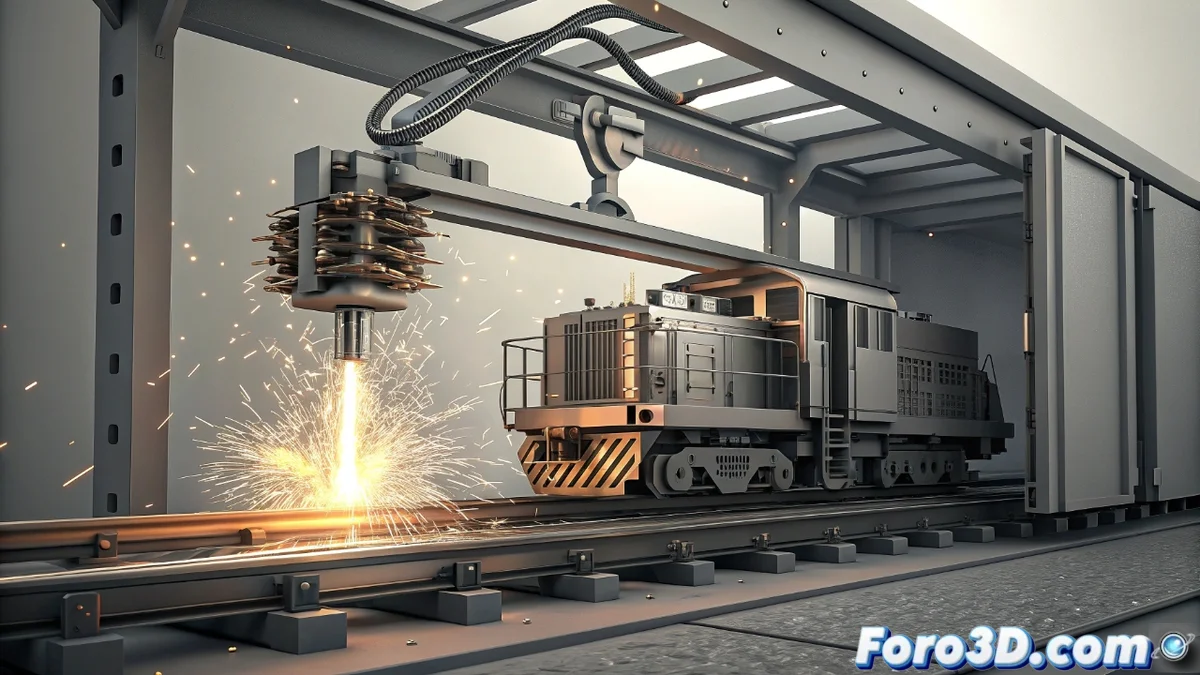
Metal 3D Printing Revolutionizes Railway Braking Systems with Wabtec
Metal additive manufacturing is completely redefining the production of essential components for braking systems in freight trains through a strategic collaboration with the Wabtec corporation. This technological innovation enables the creation of components that significantly surpass those made with conventional processes in lightness and strength, generating substantial improvements in operational efficiency and considerable reductions in maintenance costs for the railway sector 🚆.
Technical Benefits of Additively Manufactured Components
The 3D printed brake panels incorporate advanced designs that optimize mechanical load distribution and reduce wear from use, significantly extending their operational life cycle and decreasing the need for frequent replacements. The flexibility to implement custom complex geometries without significant increases in production costs allows for specific adaptations to different train configurations, ensuring superior performance under various operating conditions.
Main Operational Advantages:- Optimized designs that improve braking force transfer and reduce friction wear
- Customization of complex geometries without significant economic penalties
- Specific adaptability for different types of trains and operating conditions
The ability to produce lighter and more durable components through 3D printing represents a paradigm shift in railway manufacturing, combining operational efficiency with environmental sustainability.
Economic and Environmental Impact
The weight reduction in critical components leads to direct decreases in energy consumption and associated polluting emissions in railway transport, actively contributing to the sector's sustainability goals. The maintenance savings are particularly significant, as more durable braking systems require fewer technical interventions, translating into shorter downtime periods and greater operational availability of railway fleets.
Key Sustainability Aspects:- Lower energy consumption due to weight reduction in moving components
- Decrease in polluting emissions associated with railway transport
- Significant reduction in replacement frequency and corrective maintenance
Future of the Technology in the Railway Sector
Currently, trains can achieve more efficient and cost-effective braking systems, while the ongoing development of metal 3D printing seems to have no limits in its technological evolution. The implementation of these innovative solutions sets new standards in the industry, combining improved operational performance with substantial economic and environmental benefits for rail freight transport 🌟.