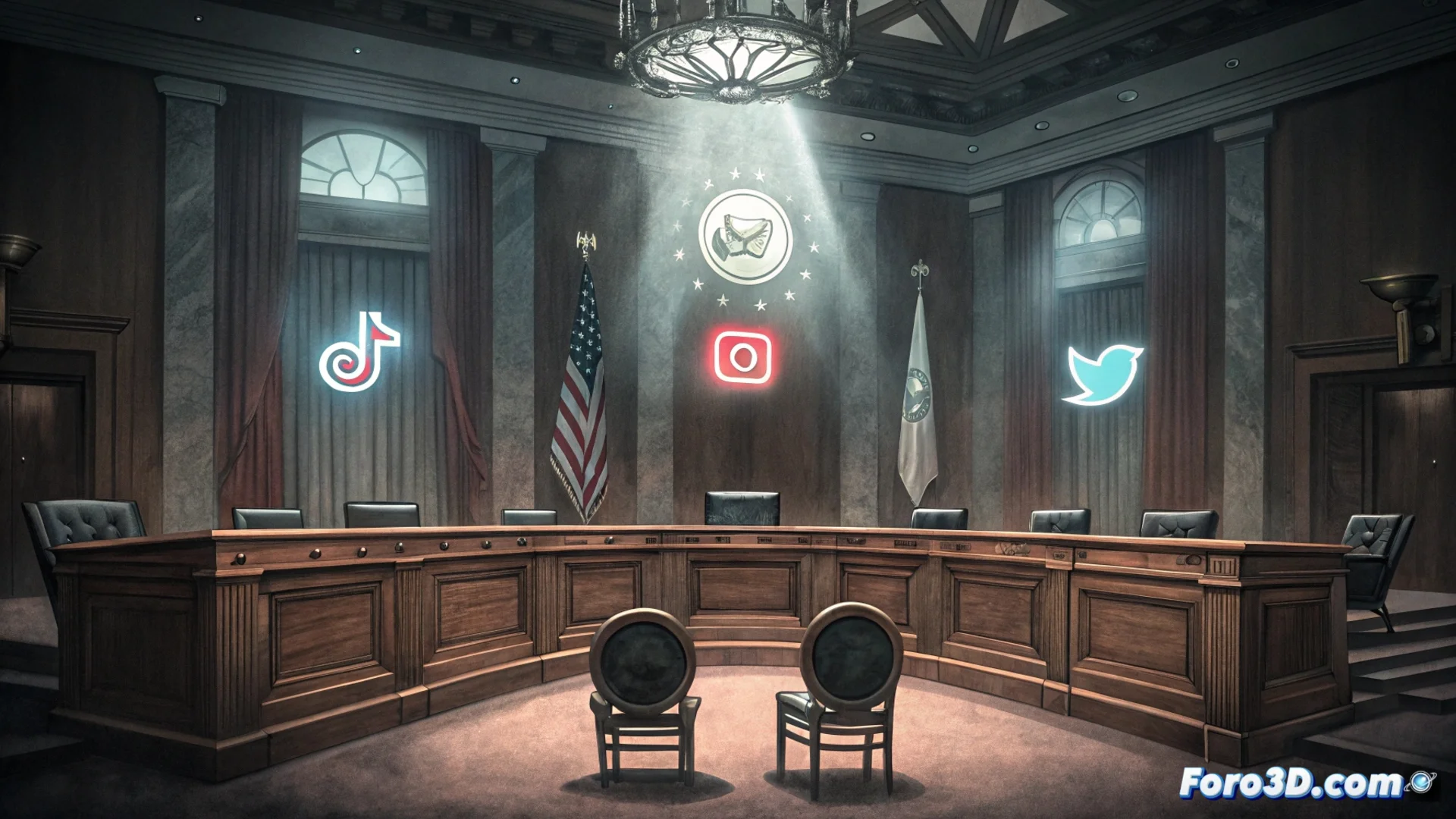
Meta, TikTok, and YouTube Face Hearings in the U.S. Senate
This week, social media giants Meta, TikTok, and YouTube must appear before a U.S. Senate committee. Lawmakers from both political parties accuse them of creating digital products that harm the psychological well-being of teenagers. This event marks a decisive moment in the national debate about the time minors spend on these apps. 👨⚖️
The Core of the Accusations: Algorithms and Design
Senators argue that the features and algorithms of these platforms are specifically designed to generate dependency. They claim that the companies prioritize metrics for prolonged usage over protecting their youngest users. These assertions are supported by leaked internal documents and statements from former employees. In their defense, the companies highlight their parental control tools and initiatives to promote safer online environments.
Key Arguments from Lawmakers:- Recommendation systems seek to hook users constantly.
- Increasing screen time is prioritized over mental health impact.
- Internal evidence demonstrates knowledge of these harmful effects.
"The design of these platforms is not an accident; it's a business. And it's harming our children," a senator might point out during the hearings.
Potential Consequences for the Tech Industry
The outcome of these appearances could drive historic regulatory change, altering how social media operates globally. Proposals to legislate content and digital design targeted at minors are being actively discussed.
Measures Under Discussion:- Ban or limit features considered excessively addictive.
- Severely restrict the collection of personal data from teenagers.
- Require external audits on the impact of algorithms.
A Turning Point
While legal teams debate responsibilities, millions of teenagers continue interacting with these platforms, often seeking validation that rarely improves their emotional state. The pressure political and social for companies to act with greater transparency and responsibility reaches a peak. The tech sector watches closely, aware that any new regulations would directly affect its user attention-based business model. 🔍