Meta Postpones Launch of Ray-Ban Display Glasses in Key Markets
Meta's international expansion of augmented reality hardware is stalled. The company announced a significant delay in distributing its Ray-Ban Display glasses in Canada, the United Kingdom, France, and Italy, markets where their arrival was expected in early 2026. The main reason cited by the company is a demand that far exceeded its forecasts and very limited unit availability. 👓
A Product That Fuses the Classic with the Digital
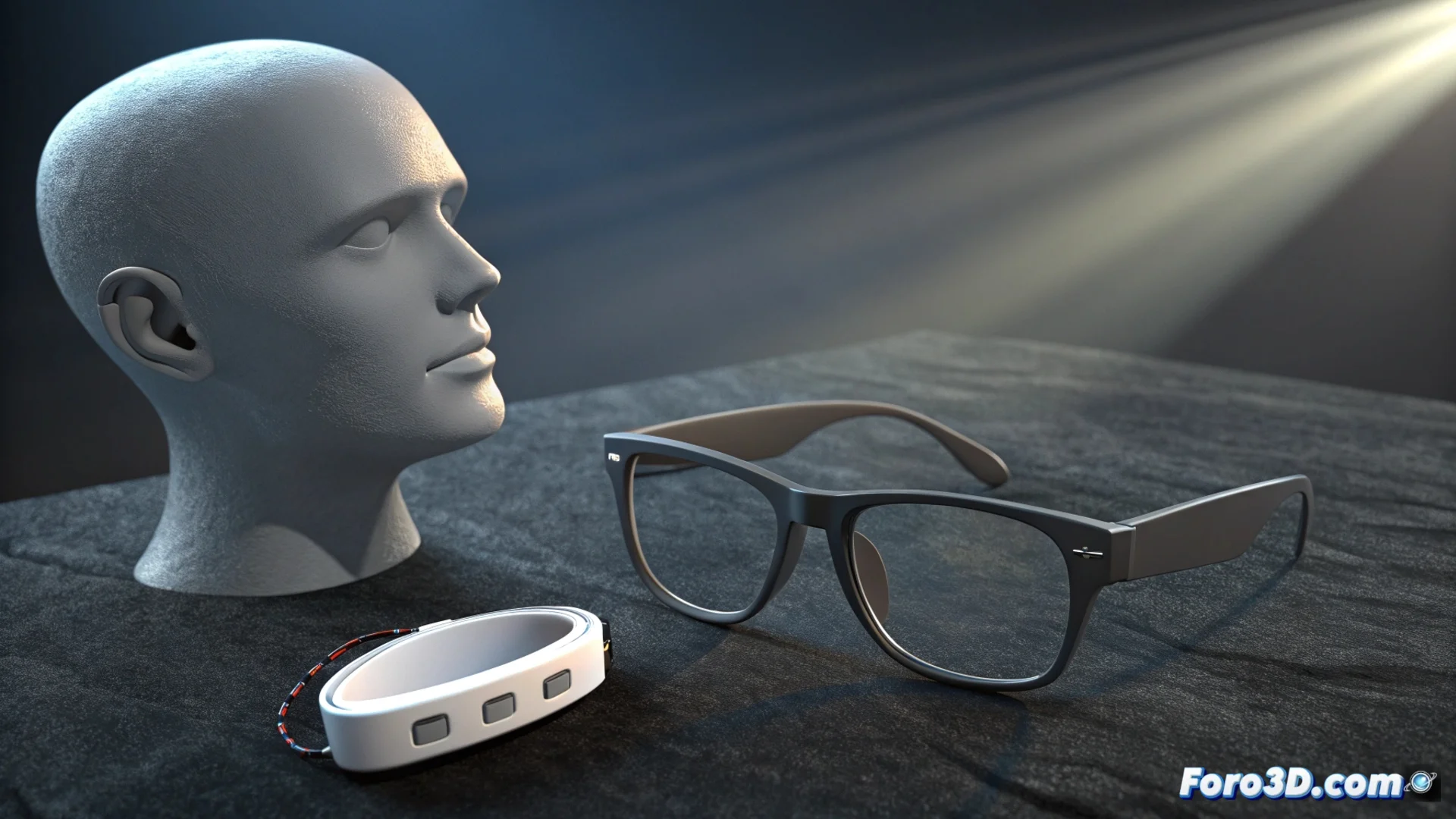
These glasses, the result of collaboration with the iconic manufacturer Ray-Ban, mark Meta's first foray into this format of portable AR device. Their proposal is based on integrating a discreet screen that overlays information onto the physical environment, eliminating the need for manual controls. To interact, the user employs a wrist bracelet that captures their gestures, a system designed to make the technology more intuitive and less intrusive.
Main Features of the Device:- Integrated Display: Shows digital content overlaid on the real-world view.
- Gesture Control: Operated via a wearable bracelet that detects hand movements.
- Collaborative Design: Developed with Ray-Ban to maintain a classic sunglasses aesthetic.
The reality of manufacturing and shipping complex hardware clashes with the promised immediate augmented reality vision.
Logistical Challenges Slow Global Ambition
This postponement underscores the inherent difficulties in producing and distributing innovative hardware on a large scale. Meta has not provided a new specific date for the product to arrive in the affected regions, leaving its initial commercial plans up in the air. The announcement reflects a common issue in the sector: balancing market enthusiasm with the actual capacity of the supply chain.
Markets Affected by the Delay:- Canada
- United Kingdom
- France
- Italy
A First Step with Obstacles
In summary, the Ray-Ban Display glasses represent a crucial experiment for Meta in AR wearables, but their path encounters the practical limits of manufacturing. The delay shows that, despite the innovative design and gesture technology, scaling a physical product of these characteristics remains a formidable challenge when demand exceeds expectations. The sector watches how the company manages this setback in its immersive hardware strategy.