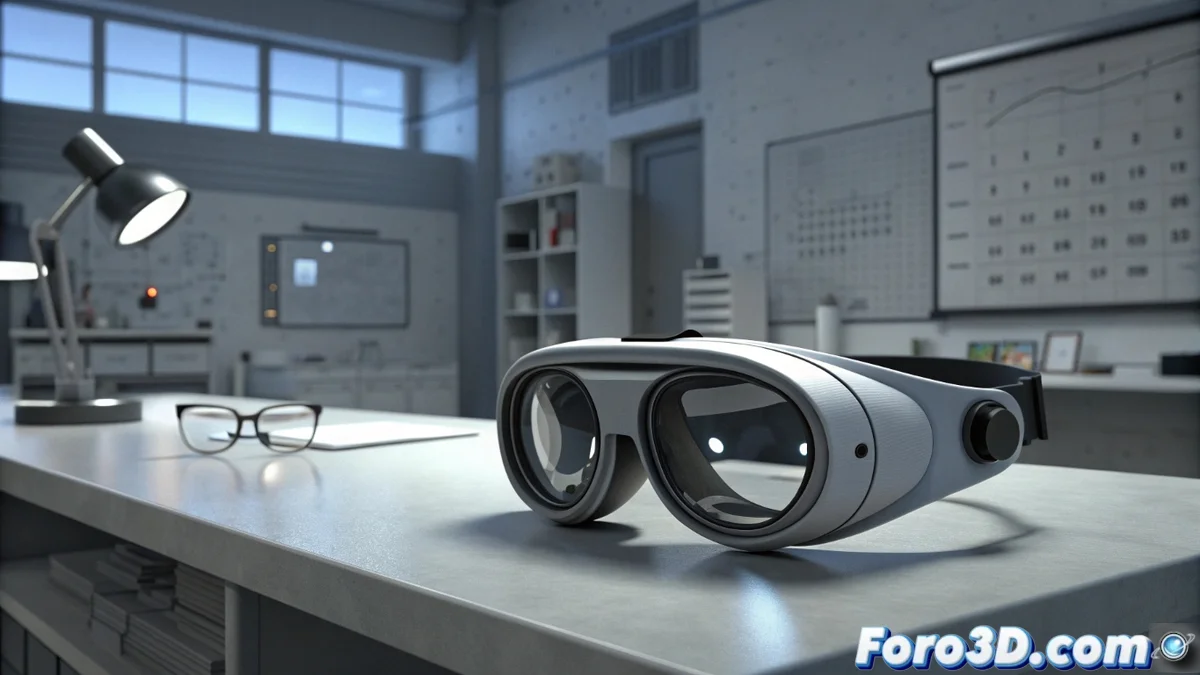
Meta Postpones Its Mixed Reality Phoenix Glasses Until 2027
According to internal reports, Meta has chosen to postpone the market launch of its next mixed reality device, internally known as Project Phoenix. The new target date is set for 2027, giving the company several additional years to develop the product. This strategic decision underscores the complexity of creating cutting-edge hardware in this sector. 🕶️
The Focus on Perfecting the Device
The internal communication accessed by Business Insider details that the extra time will be entirely dedicated to working on the device's hardware and software. Meta aims to polish every aspect, from industrial design to how the end user perceives the experience. The delay shows that creating glasses that are lightweight, powerful, and competitively priced is a greater technical challenge than just showing conceptual renders.
Key Development Areas:- Hardware: Focused on reducing weight and size, improving processing power, and optimizing battery life.
- Software and User Experience: Developing a fluid operating system and a robust applications ecosystem.
- Industrial Design: Seeking a balance between aesthetics, comfort for prolonged use, and technical functionality.
This move reflects that Meta prefers not to rush, choosing meticulous development for its next high-end device.
The Competitive Landscape Intensifies
The announcement comes at a time of great activity in the mixed and augmented reality headset sector. While Apple is already selling its Vision Pro and other companies prepare their launches, Meta seems to be betting on patience. The company, which already has a wide range in virtual reality with its Quest, seeks to differentiate itself with proprietary technology and an integrated ecosystem, rather than competing in a race to launch the first product.
Factors in the Current Market:- Apple's Presence: Vision Pro sets a high bar in terms of technical capabilities and price.
- More Players: Various technology companies and startups are developing their own solutions.
- Meta's Strategy: Consolidate its position from VR experience and build a product that defines a new category, not just respond to competition.
What Does This Delay Mean for the Future?
A postponement of this magnitude indicates that the engineering challenges are significant. Meta is investing time to solve fundamental problems before presenting the product to the public. The ultimate goal is to launch a device that not only meets but exceeds user expectations and can compete effectively in a market that by 2027 will be much more defined. The race for mixed reality is a marathon, not a sprint. 🏁