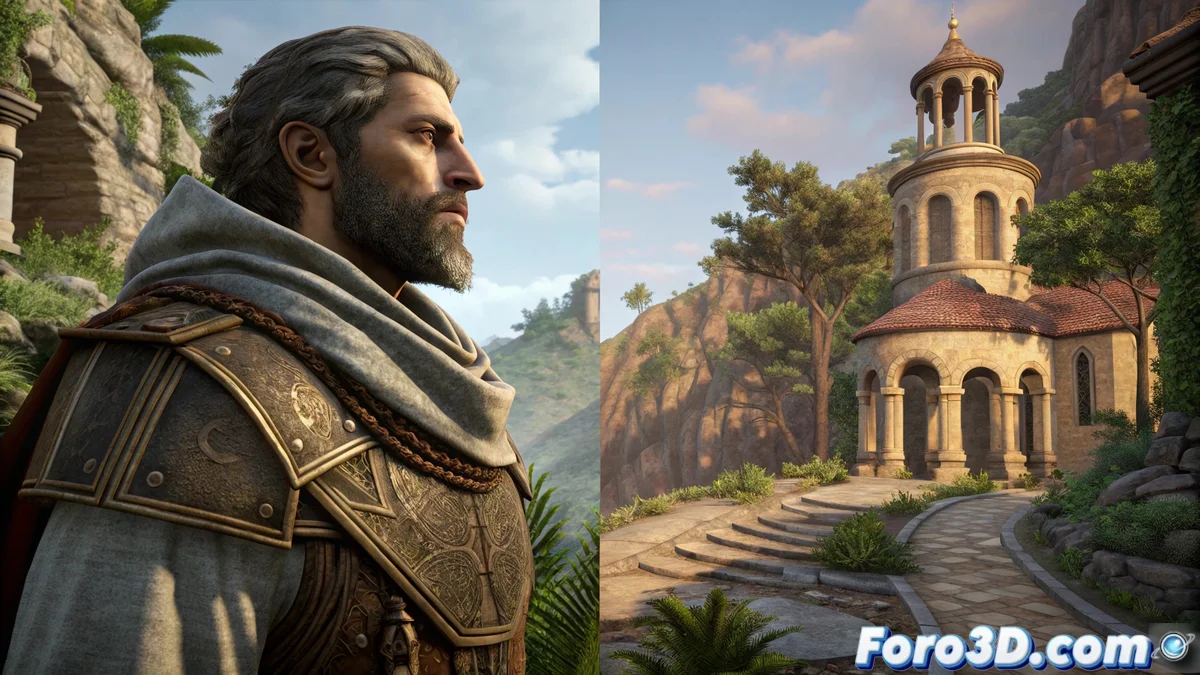
Messiah Engine vs Unreal Engine: Graphic Development Philosophies
In the current landscape of graphics engines, these two platforms represent diametrically opposed approaches in creating visual experiences. While Unreal Engine has established itself as an industry standard, Messiah Engine emerges as a specialized alternative with distinctive technical philosophies 🎮.
Contrasting Rendering Architectures
The graphics pipeline of Unreal Engine incorporates cutting-edge technologies such as native ray tracing and virtually infinite geometry systems. In contrast, Messiah Engine implements aggressive optimizations that maintain visual quality on modest hardware through precomputed lighting techniques and intelligent resource management 💡.
Main Technical Features:- Unreal: Comprehensive support for Lumen, Nanite, and dynamic reflections
- Messiah: Automatic dynamic LOD and advanced lighting baking
- Trade-offs: Cinematic quality vs efficiency on limited resources
"One engine democratizes visual creation, the other demands mastering the language of GPUs" - Analysis by graphics developers
Material Development Paradigms
The shader system constitutes another fundamental divergence. Unreal Engine offers node-based visual interfaces that simplify the creation of complex materials. Messiah Engine, however, requires direct shader programming, providing absolute control but demanding specialized technical expertise 🔧.
Material Creation Approaches:- Unreal: Intuitive visual editor with predefined libraries
- Messiah: Manual coding with hardware-specific optimizations
- Learning Curve: Online tutorials vs deep graphics knowledge
Opposing Development Philosophies
The fundamental dilemma lies between universal accessibility and specialized optimization. Unreal Engine empowers creators of all levels, while Messiah Engine is geared toward developers who prioritize performance over ease of use, demonstrating that there are multiple paths to next-generation graphics 🚀.