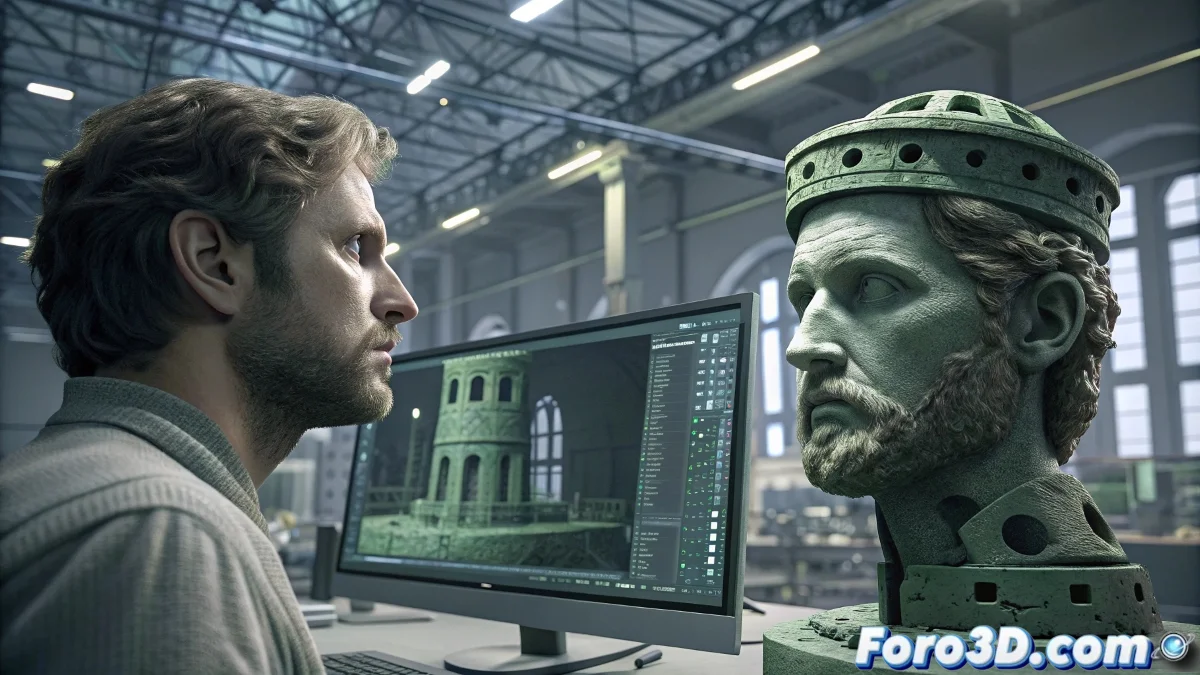
The hospital for three-dimensional models
In the digital design ecosystem, MeshLab occupies that special place dedicated to the rehabilitation of three-dimensional models. Initially developed by the Italian ISTI-CNR, this software has become the preferred repair workshop for 3D artists and engineers. Its specialty lies in taking damaged or imperfect meshes and restoring their geometric health through an arsenal of specific tools.
The philosophy of MeshLab focuses on processing rather than creating from scratch. Imagine a newly scanned model with millions of triangles, holes, and artifacts: this is where this tool proves its value. Through specialized filters and algorithms, it transforms the initial chaos into usable geometry for any professional application.
Main features of the workshop
- Cleaning and automatic repair of damaged meshes
- Intelligent polygon reduction while maintaining details
- Remeshing and reconstruction of problematic surfaces
- Conversion between more than 30 different file formats
The model rehabilitation process
A typical MeshLab user follows an almost therapeutic ritual with each problematic model. It begins by identifying defects through visual analysis and diagnostic tools. Holes are closed, intersections are corrected, and normals are uniformized. The cleaning stage eliminates duplicate vertices and non-manifold geometry that cause problems in other software.
MeshLab turns the unusable into perfectly functional
Subsequent optimization adjusts polygon density according to project needs, preserving important details while eliminating superfluous geometry. Smoothing filters improve visual appearance without altering the essential shape. The process culminates with export in the most suitable format for the model's final destination.
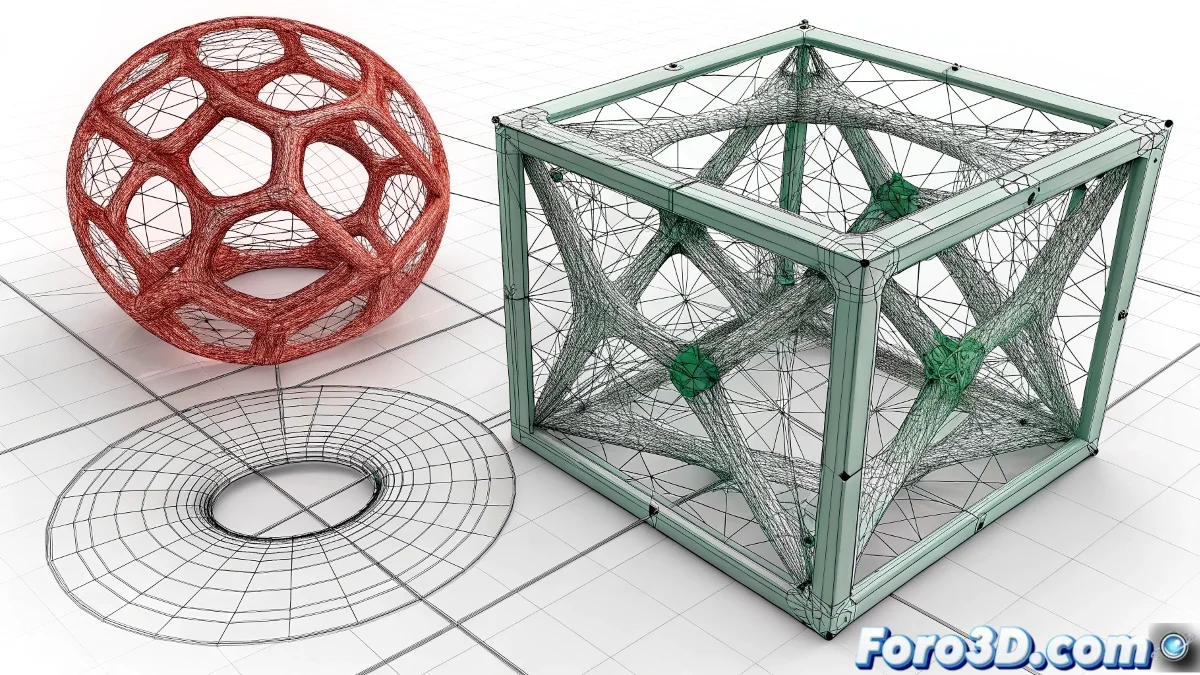
Applications in real projects
- Preparation of scanned models for 3D printing
- Optimization of assets for video game engines
- Restoration of digitized heritage models
- Conversion between different professional workflows
The MeshLab interface may seem spartan to users accustomed to commercial solutions, but its efficiency is incomparable for the specific tasks it solves. The learning curve is rewarded with precise control over every aspect of geometric processing. Advanced users especially appreciate the scripting capability to automate repetitive processes.
Those who still struggle manually with defective models probably don't know that MeshLab can save them hours of frustrating work 🔧
You can learn more about the topic: here