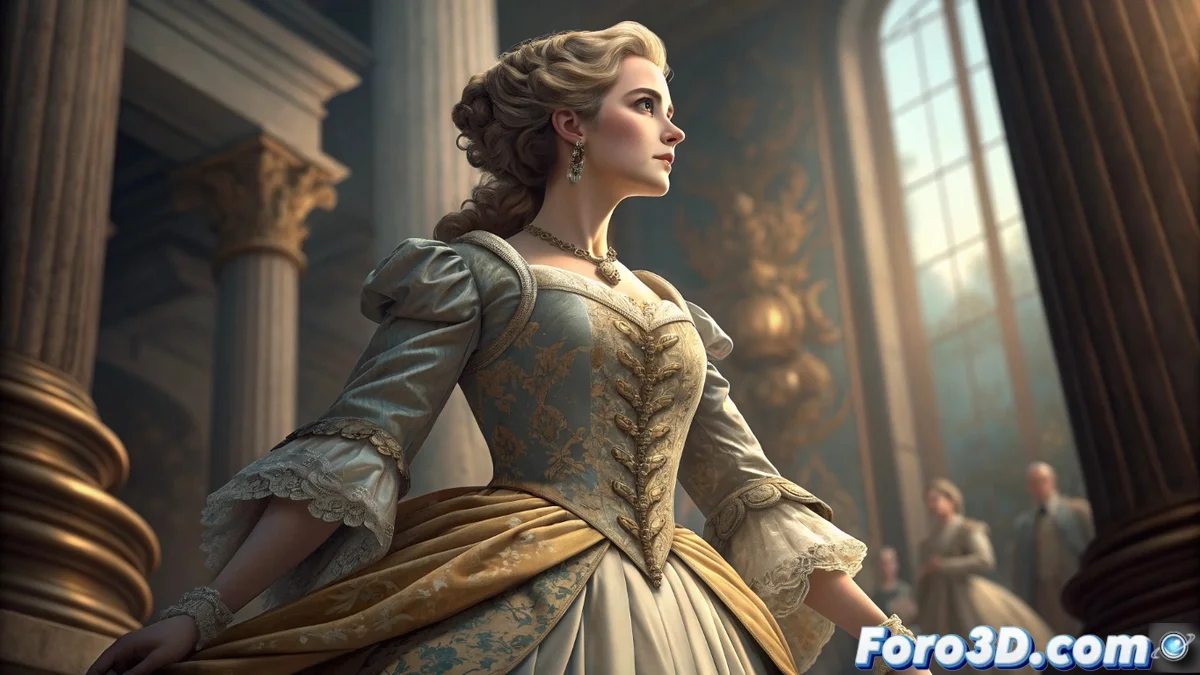
Merging Artistic Styles to Create Innovative Illustrations
In the field of 2D illustration, a powerful method for innovating consists of selecting two opposing visual references. Artists take, for example, the precision of an 18th-century engraver and the fluidity of a contemporary animation designer to represent the same subject. This exercise forces the mixing of visual rules that are antagonistic and synthesizes a new graphic language. 🎨
Selecting References for Creative Contrast
The first step is to choose two artists whose styles offer maximum contrast. A common choice is William Hogarth, known for his engraving with intricate lines and dramatic handling of light and shadow. The ideal counterpoint can be the style of a Pixar character designer, defined by clean silhouettes, vibrant color palettes, and organic shapes. By applying these rules to the same subject, visual tensions are explored that deeply enrich the final result.
Key characteristics of each style:- Classical engraving: Precise outline lines, tactile textures, contrasted shadows, and a sense of depth and detail.
- Modern digital animation: Simplified and rounded shapes, soft and global lighting, flat and saturated colors, and amplified expressiveness.
- Fusion: The goal is not just to juxtapose, but to integrate these norms so that the subject maintains visual coherence despite the duality of influences.
Even the most serious attempts to unite the classical with the modern can produce results that resemble a Halloween costume for art, adding a touch of humor to the experimental process.
Integrating Techniques During the Drawing Process
During the execution phase, the artist must process and combine techniques from both worlds. This involves, for example, applying the characteristic cross-hatching of engraving to define volumes, but using a color palette inspired by animation. The soft and diffuse lighting typical of 3D characters can be nuanced with the abrupt chiaroscuros of traditional art.
Technical elements to combine:- Line and color: Use detailed strokes to structure and flat color to give life and modernity.
- Texture and shape: Apply complex textures over surfaces with simple and rounded shapes.
- Light and shadow: Balance deep and defined shadows with more subtle and atmospheric light transitions.
Result and Final Reflection on the Fusion
The final product of this experiment is usually an illustration that appears as a hybrid cross between an ancient portrait and a contemporary digital character. This method demonstrates that forcing the mixture of disparate aesthetic conventions is an effective way to develop a personal and novel style. The key lies in maintaining a compositional unity that makes the fusion seem natural and deliberate, not a mere collage. This practice expands the limits of creativity in 2D illustration. ✨