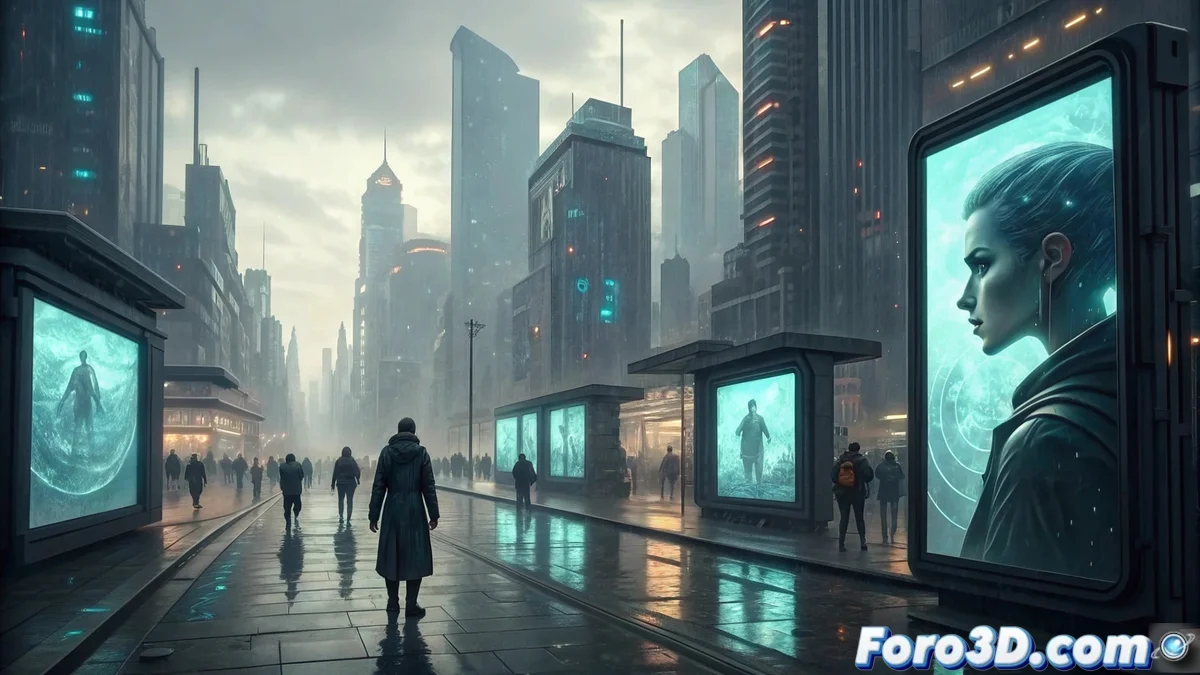
Mind Advertising in 2030: When Algorithms Read Your Mind
The advertising landscape has undergone a radical transformation that no one could have anticipated. Commercial messages no longer compete for our attention in physical spaces, but infiltrate our consciousness directly through neural interface technologies. What were once simple ads are now complete sensory experiences designed to resonate with our unique brain patterns. 🧠
The Perfect Spy Inside Your Head
Artificial intelligence systems have reached a level of sophistication that allows them to decode our most private mental processes. These algorithms not only constantly monitor our physiological reactions, but learn from every fleeting thought and repressed emotion. Advertising has become a psychological parasite that feeds on our deepest insecurities and desires.
Features of mental surveillance:- Continuous monitoring of brain waves and emotional responses
- Predictive analysis of behaviors based on neural patterns
- Activation of advertising stimuli during states of psychological vulnerability
"Tomorrow's consumer won't choose products; products will choose the consumer through the manipulation of their most intimate desires."
Reality as a Personalized Product
Each individual experiences a unique commercial reality carefully crafted to maximize their susceptibility. Ads are no longer perceived as external elements, but camouflage as genuine intuitions and seemingly spontaneous thoughts. Advertising neurotechnology has completely erased the boundaries between personal inspiration and commercial programming.
Mechanisms of mental infiltration:- Projection of messages directly to the subconscious during sleep
- Stimulation of brain pleasure centers associated with specific brands
- Creation of false memories that generate artificial loyalty to products
The Illusion of Free Will in the Digital Age
The most disturbing irony of this advertising evolution lies in the fact that we still fervently believe in our decision-making autonomy. While we convince ourselves that every purchase is the result of our conscious will, we are actually executing consumption programs implanted by algorithmic entities. The final choice seems to boil down to accepting this covert commercial dictatorship or becoming technological pariahs in a world that no longer has room for the disconnected. Digital slavery has been perfected to the point where its chains are invisible and its prison has no walls. 🔗