Todd McFarlane's Legacy in Modern Comics
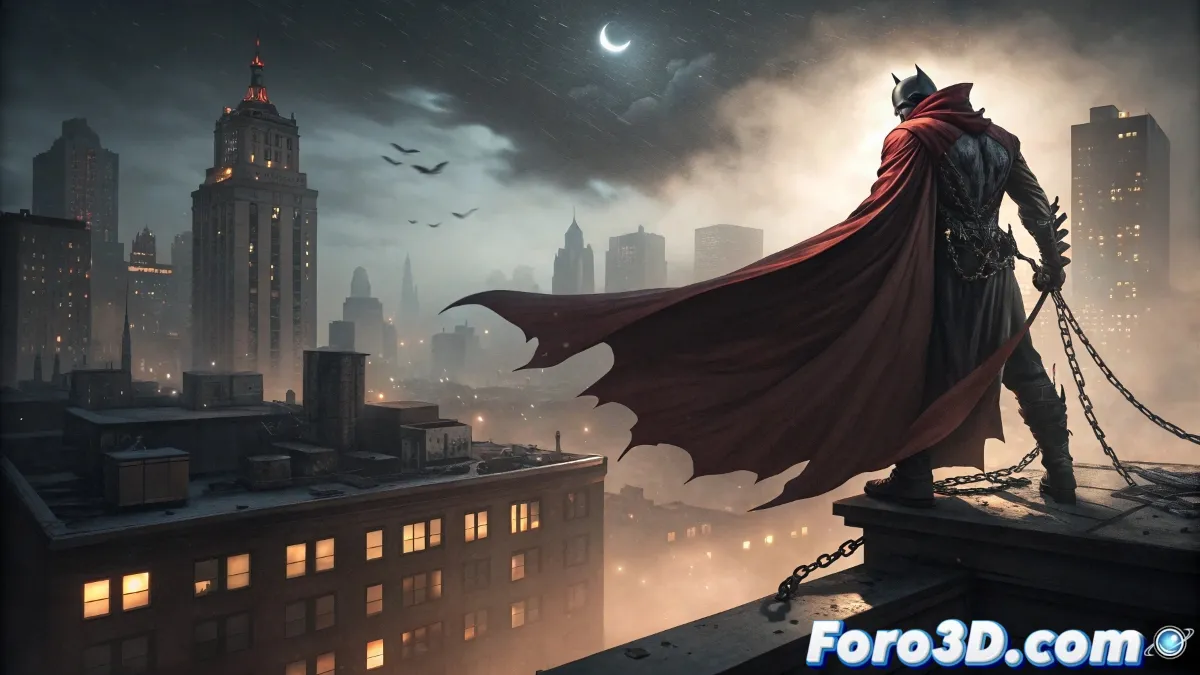
Before revolutionizing the industry with the creation of Image Comics, Todd McFarlane left an indelible mark on the comic world through his work at DC. Between 1987 and 1989, his art transformed the visual representation of Batman in Detective Comics, particularly during the Batman: Year Two storyline. His style, described by writer Mike W. Barr as "moving shards of glass", redefined the Dark Knight as an almost supernatural presence, with a dynamic cape and exaggerated features that emphasized his intimidating nature.
From the Shadow of the Bat to the Birth of a Myth
McFarlane's experience with Batman laid the foundation for his most famous creation: Spawn. This antihero, introduced in 1992, combined elements of an urban vigilante with a dark and supernatural mythology. Unlike traditional superheroes, Spawn operated in a morally ambiguous space, where vengeance often replaced justice. The third issue of the series paid homage to Jerry Robinson, a comic book legend and co-creator of iconic characters like the Joker.
"McFarlane's art not only told stories, but created atmospheres where every panel breathed dramatic intensity"
The Sherlee Johnson Case and the Evolution of a Universe
One of the defining moments of the series occurred in the fifth issue, where Spawn faced Billy Kincaid, a child killer whose latest victim had been the little girl Sherlee Johnson. This chapter marked a turning point by showing:
- The relentless nature of Spawn's justice
- The exploration of social themes through dark fantasy
- The creation of a narrative legacy that would transcend decades
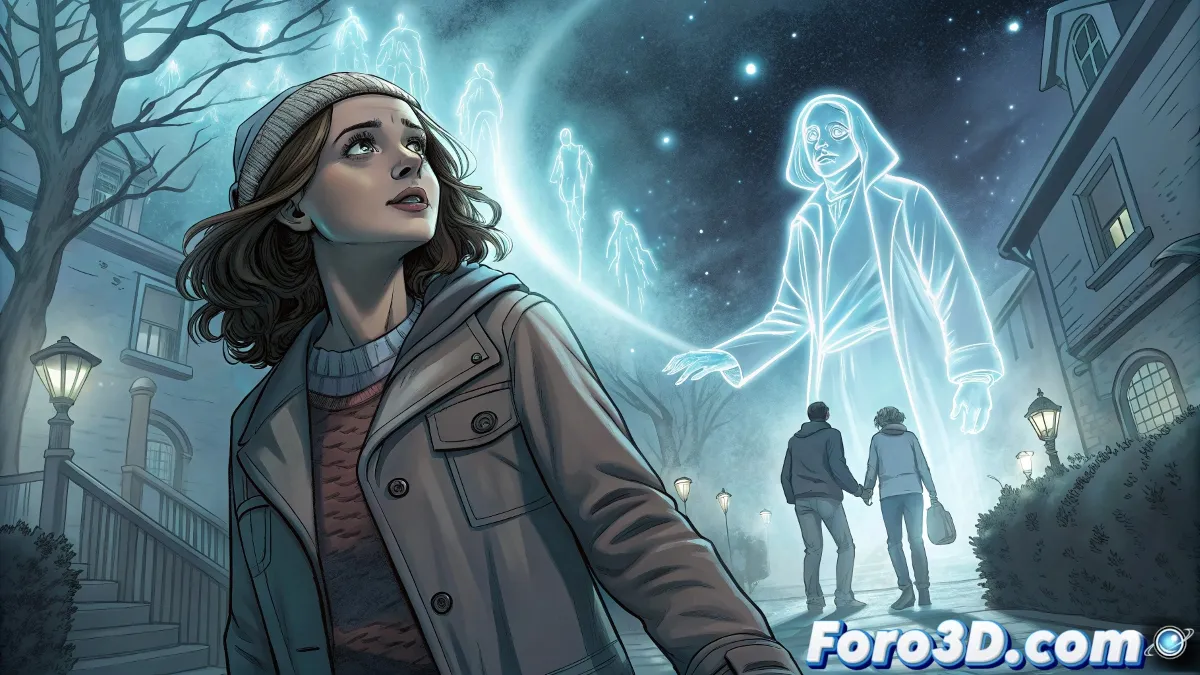
Three decades later, the Spawn universe returns to this crucial moment with The Curse of Sherlee Johnson, a new series that expands the story of the victim who originally appeared in just a few panels. This reinvention demonstrates how contemporary narratives can rescue seemingly minor elements to build complex stories.
Key Elements of the Spawn World
- Unique fusion of supernatural horror and social critique
- Morally ambiguous protagonists that challenge conventions
- Continuity that allows long-term narrative evolutions
- Distinctive visual style that influenced generations of artists
The narrative resurrection of Sherlee Johnson symbolizes how modern comics can reexamine their own legacy. What began as a shocking moment in the nineties is now transforming into a deep exploration of themes like grief, memory, and the consequences of violence. Spawn, as a concept, continues to demonstrate its ability to evolve while maintaining its transgressive essence.