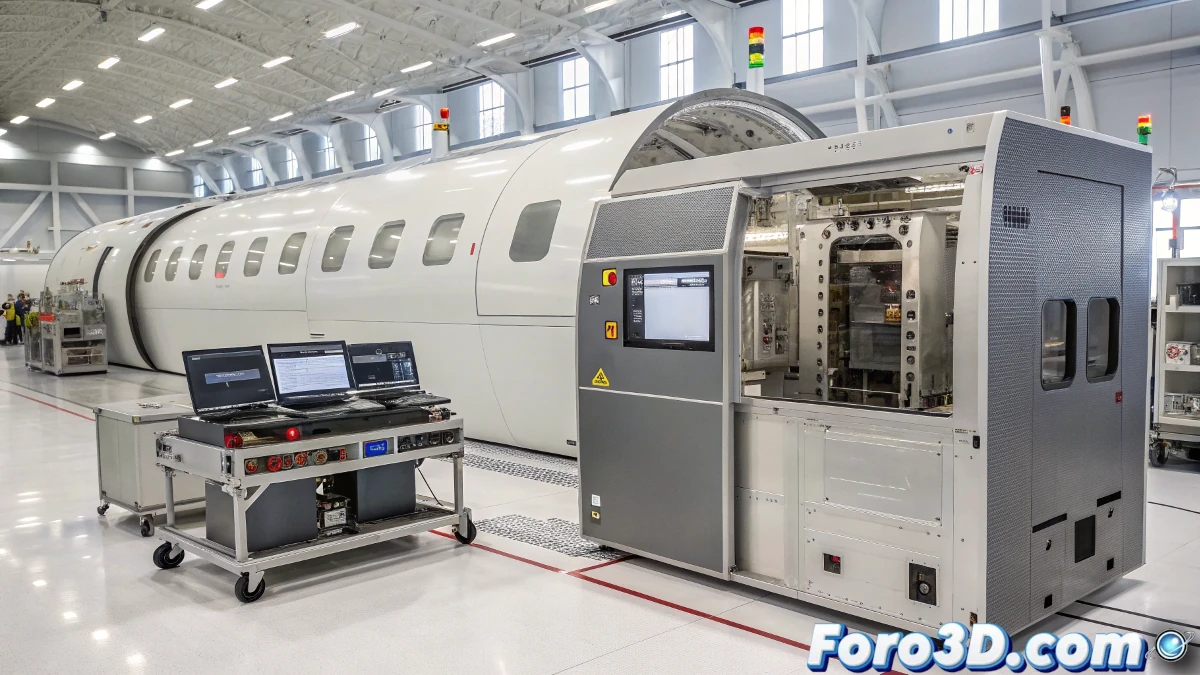
In a world where technology advances by leaps and bounds, additive manufacturing has become a key tool for high-demand industries, such as aerospace. Materialise, a leading company in this field, has achieved a significant milestone by obtaining the EN 9100 certification for its metal additive manufacturing processes. This certification not only validates the quality of its products but also reinforces its commitment to the highest standards in the production of critical parts for aviation and space.
A Step Forward in Metal Additive Manufacturing
The EN 9100 certification is a recognition of Materialise's quality management system, which ensures process control, regulatory compliance, and continuous improvement. This achievement is especially relevant in the aerospace sector, where precision and reliability are fundamental. With this certification, Materialise not only consolidates its position as a leader in additive manufacturing but also opens new doors for 3D metal printing in critical applications.
"The EN 9100 certification is a testament to our commitment to quality and innovation in metal additive manufacturing." - Erik de Zeeuw, Materialise.
Commitment to Aerospace Standards
Materialise is no stranger to the rigorous standards of the aerospace industry. The company already had the EN 9100 certification for its polymer additive manufacturing processes, having produced more than 500,000 parts for original equipment manufacturers (OEMs), suppliers, and MROs. Additionally, it has obtained the highest rating in Airbus's quality maturity assessment and holds an EASA Production Organization Approval (POA), which allows it to manufacture flight-ready parts.
- EN 9100 Certification: Quality assurance in metal additive manufacturing.
- Airbus Standards: Highest rating in quality assessment.
- EASA POA: Manufacturing of flight-ready parts.
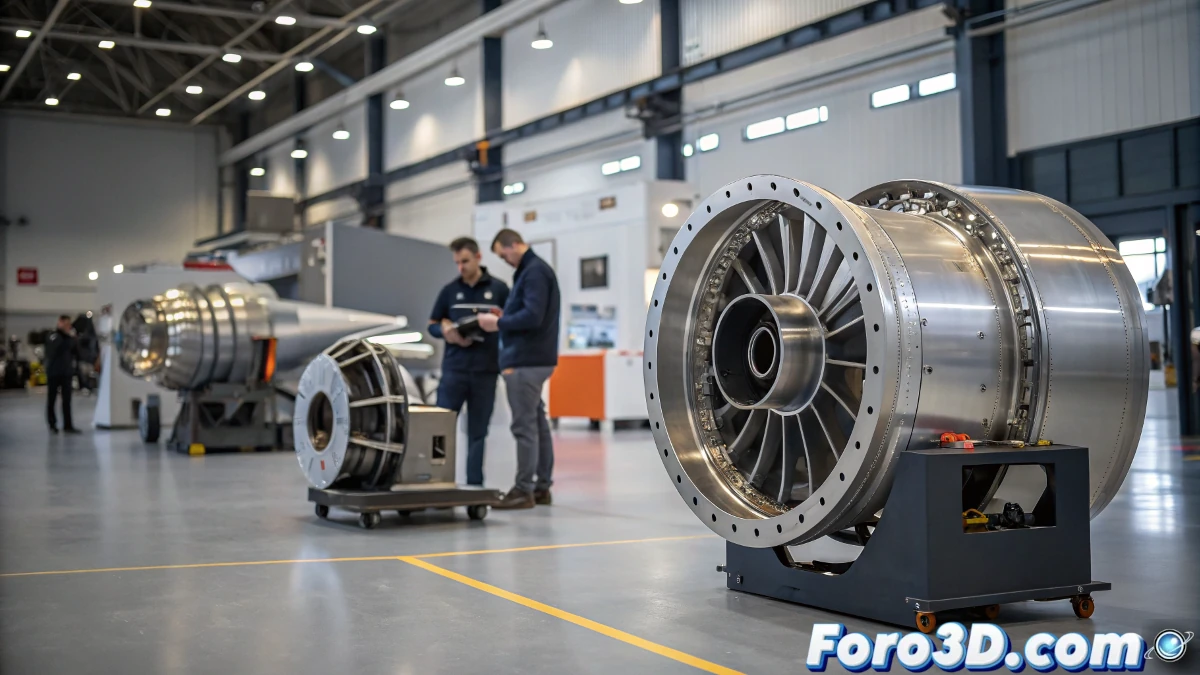
Opportunities in Low-Criticality Parts
According to Erik de Zeeuw, Materialise's Aerospace Market Manager, low-criticality parts such as seat bezels, housings, and ducts are ideal for metal additive manufacturing. These parts, which need to be lightweight, strong, and durable, benefit from 3D printing's ability to produce small quantities efficiently. Additionally, the concept of "digital stock on demand" enables fast and cost-effective supply.
Advantages of Additive Manufacturing in Aerospace Parts
- Lightweight: Lighter parts without sacrificing strength.
- Flexibility: On-demand production and in small quantities.
- Efficiency: Reduction in costs and production times.
The Future of Additive Manufacturing in Aviation and Space
Materialise not only focuses on the present but also looks to the future. With its quality control system and processes, the company facilitates the necessary digital connection to qualify 3D printed metal parts. This opens new opportunities in the aerospace sector, enabling innovative collaborations with partners in the space and aeronautical fields.
Expansion and Continuous Growth
This achievement adds to another important milestone for Materialise: the opening of an Aerospace Center of Excellence in Delft, Netherlands. This center strengthens the company's presence and capabilities in the aerospace sector, supporting the growth of additive manufacturing in high-tech industries.
- Center of Excellence: Expansion in the aerospace sector.
- Innovation: Development of advanced applications.
- Collaboration: Joint work with strategic partners.
"The future of additive manufacturing in aviation and space is full of opportunities. Together, we will see new applications that will literally take flight."
With its focus on quality, innovation, and collaboration, Materialise is leading the way toward a future where additive manufacturing plays a crucial role in the aerospace industry.