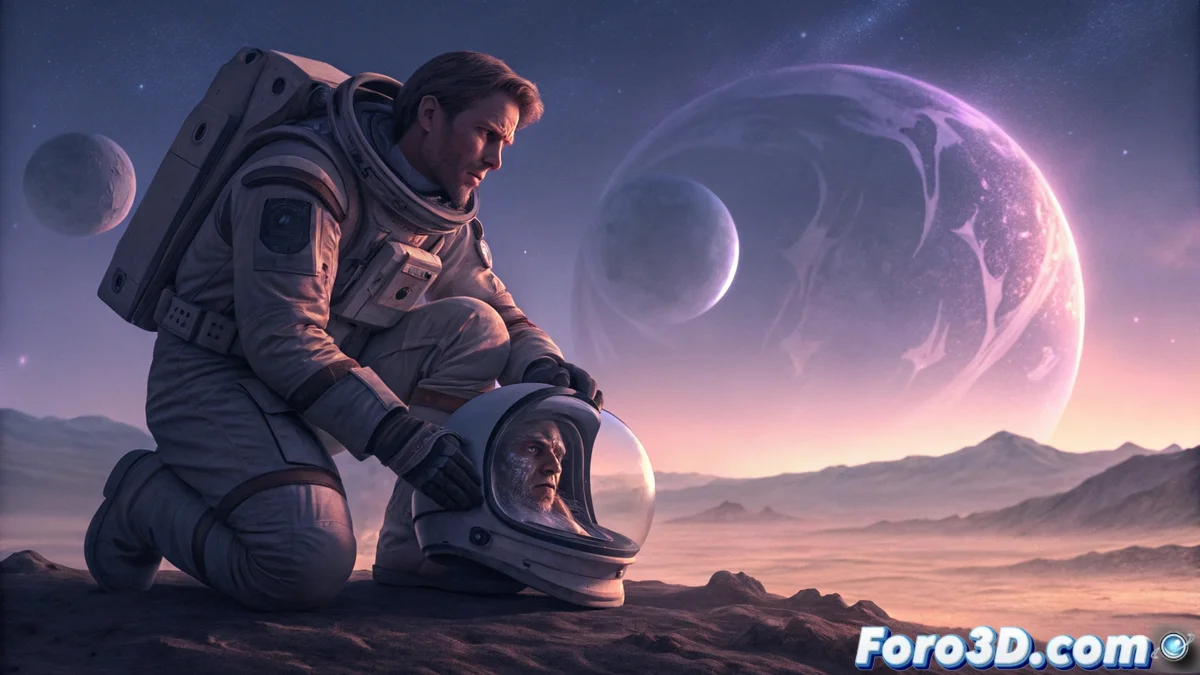
Mastering the Emotional Key Frame in Your Art
Instead of deploying a complete sequence, this technique proposes isolating the instant where the dramatic load of a story reaches its maximum point. The goal is not to show an action, but to capture the emotion that defines it and allows intuiting the entire narrative arc. It is an exercise in pure visual synthesis 🎯.
Identifying the Powerful Narrative Instant
To choose the key frame, you must analyze the structure of your story. The most significant moment often coincides with the climax, where a character experiences an irreversible change or the central conflict erupts. Ask yourself: what single image generates the most questions or conveys the essence of the transformation? Sometimes, a subtle gesture or a look can communicate more than an explicit action scene.
Characteristics of the Ideal Instant:- Contains the narrative tension at its peak or just after.
- Conveys a decisive change in a character or situation.
- Invites the viewer to imagine the previous and subsequent events.
The power is not in the blow, but in the contained tension before delivering it or in the void it leaves after.
Building the Composition to Narrate
Once the instant is selected, every visual element must work to enhance its meaning. The composition becomes your main tool for narrating without words.
Visual Elements to Master:- Lighting: Use lights and shadows to direct the gaze, highlight the protagonist, or suggest internal conflict.
- Color Palette: Choose colors that reflect the emotional state of the moment (cool tones for melancholy, warm for passion).
- Expression and Posture: The credibility of the character's emotion is fundamental. Every line in their face and body must convey the precise load.
- Contextual Elements: Details in the background and foreground must justify their presence, providing clues about the broader story.
Avoiding the Common Mistake
A frequent mistake is drawing the most obvious and dynamic moment, like a scream or a physical impact. However, contained tension or the subsequent reaction usually communicate with greater depth. A frame showing the hero contemplating the consequences of their actions can be more powerful and evocative than the battle scene itself. The goal is for the image to dialogue with the viewer and activate their imagination to complete the story 🔍.