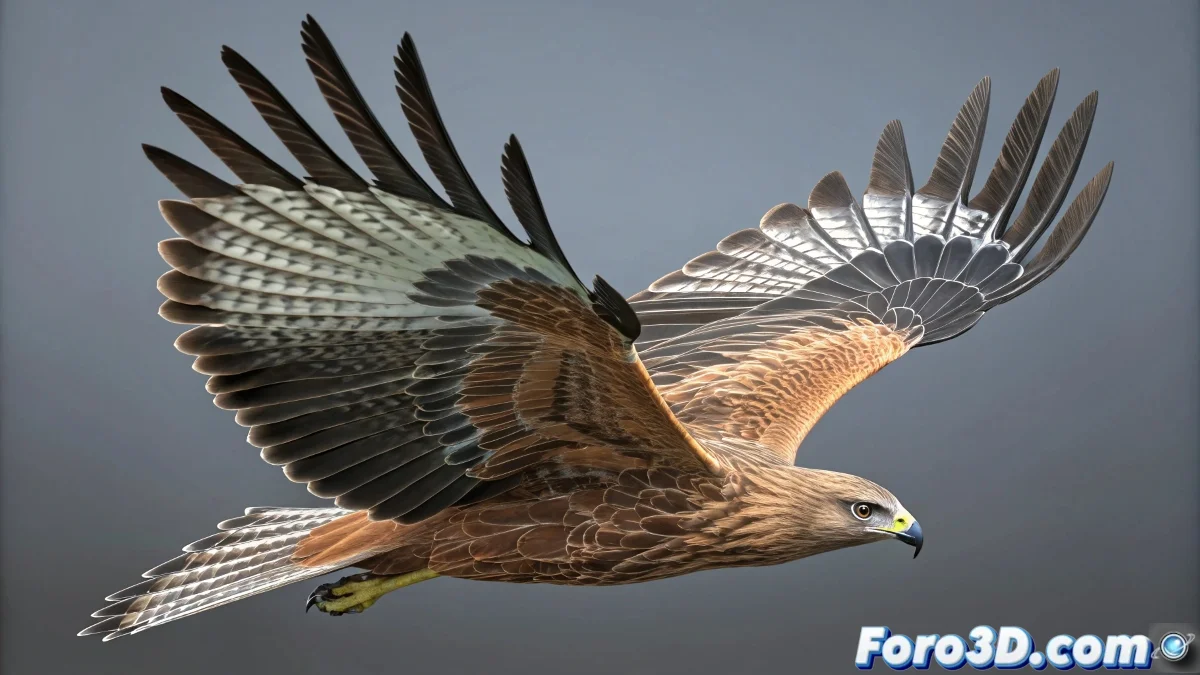
Taming Digital Feathers with the Flex Modifier in Blender
Rigging wings with feathers can be as chaotic as trying to comb a chicken in the middle of a hurricane 🌀. But the Flex modifier comes to the rescue to turn that mess into organic and believable movement. As demonstrated by Paul Neale's rig, this tool is the magic wand that transforms static feathers into lively elements.
The Controlled Dance of Feathers
The secret lies in the strategic combination of several elements:
- Splines as orchestra directors of the movement
- Bend and Wave modifiers for the basic choreography
- Flex as the choreographer that adds style and fluidity
"Flex is like that production assistant that turns your clumsy movements into an elegant ballet sequence for feathers"
Fine-Tuning Adjustments to Avoid Chaos
Mastering Flex requires understanding its key parameters:
- Strength: to prevent your feathers from looking like steel rods or overcooked spaghetti
- Frequency: the right rhythm between rigidity and flexibility
- Phase: perfect synchronization so they don't look like rubber
When everything is well calibrated, the result is as satisfying as watching a real bird spreading its wings at dawn 🌅. When it's not... well, at least you'll have created the world's first digital avian choir.
Common Mistakes and How to Avoid Them
Even the best animators can fall into these traps:
- Exaggerating values until creating feathers that look like snakes
- Forgetting constraints, resulting in grotesque deformations
- Ignoring the hierarchy of influences between splines and feathers
In the end, working with Flex on wing rigs is like taming a tornado: it requires patience, precise adjustments, and accepting that sometimes the feathers will have a mind of their own. But when everything works, the magic of organic movement makes every hour of frustration worthwhile. Or should we say every hour of... flex-perimentation? 🪶