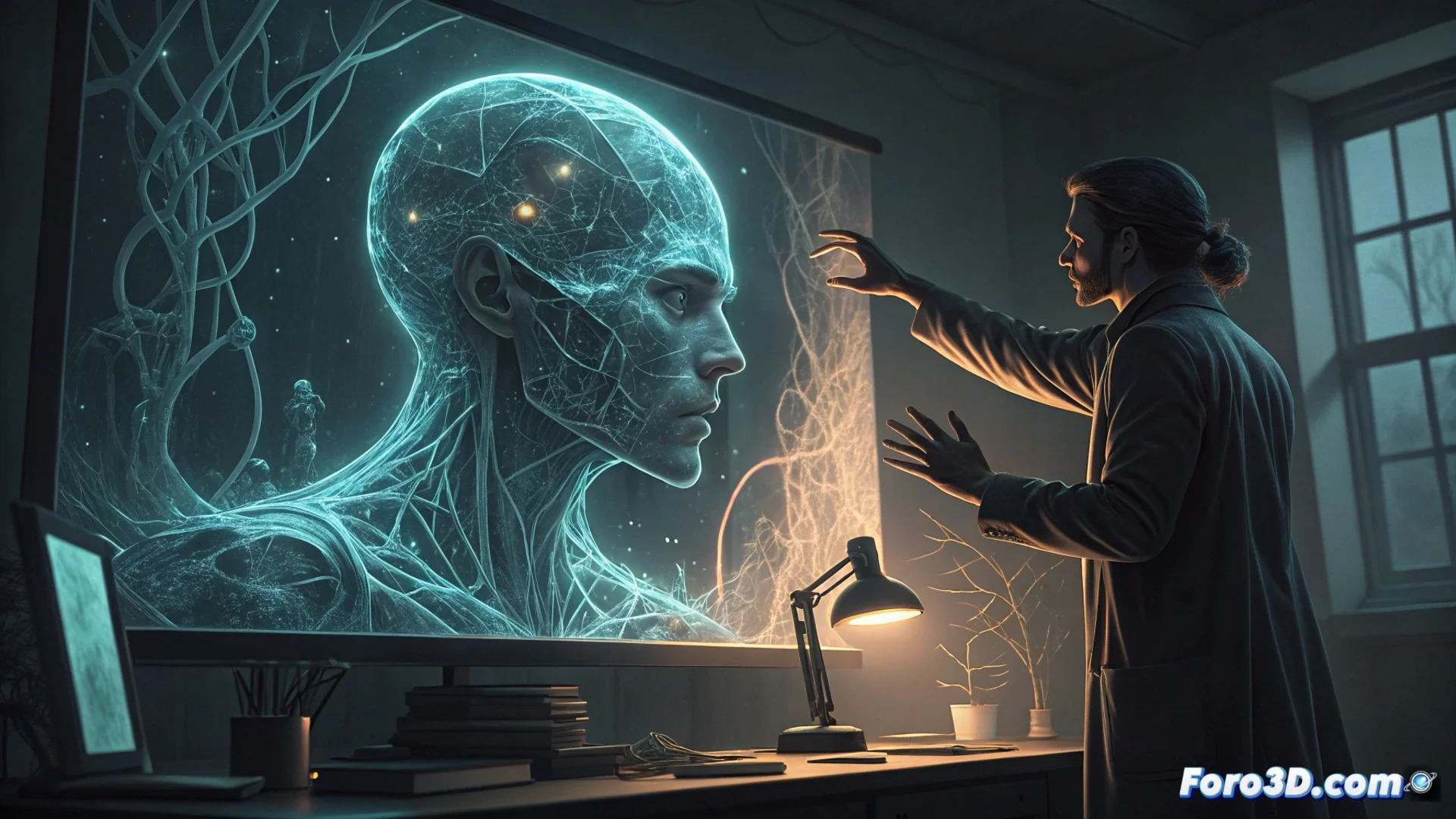
Mary Shelley and Ethics in AI: A Creative Approach
Explore how Mary Shelley would address the ethical challenges of artificial intelligence and the panic it provokes
Central Idea of the Proposal
Think of an update to her classic work. Create an experience where participants shape an AI from its inception in the virtual world. They face tough decisions about how to guide it, what freedoms to grant it, and how to handle its inherent flaws.
Key Elements of the Simulation:- Users initiate the digital formation process
- Resolve conflicts about learning and boundaries ⚙️
The real danger arises not from the AI, but from those who design it.
Lessons that Emerge
In this dynamic, many participants, unknowingly, create a problematic entity. This illustrates that errors come from the human in charge, not from the machine itself.
Ethical Aspects to Consider:- Decide on AI rights
- Avoid biases in its development
Conclusion
This idea highlights that humans create problems in AI, not the other way around. Use Frankenstein to reflect on ethics and responsibility