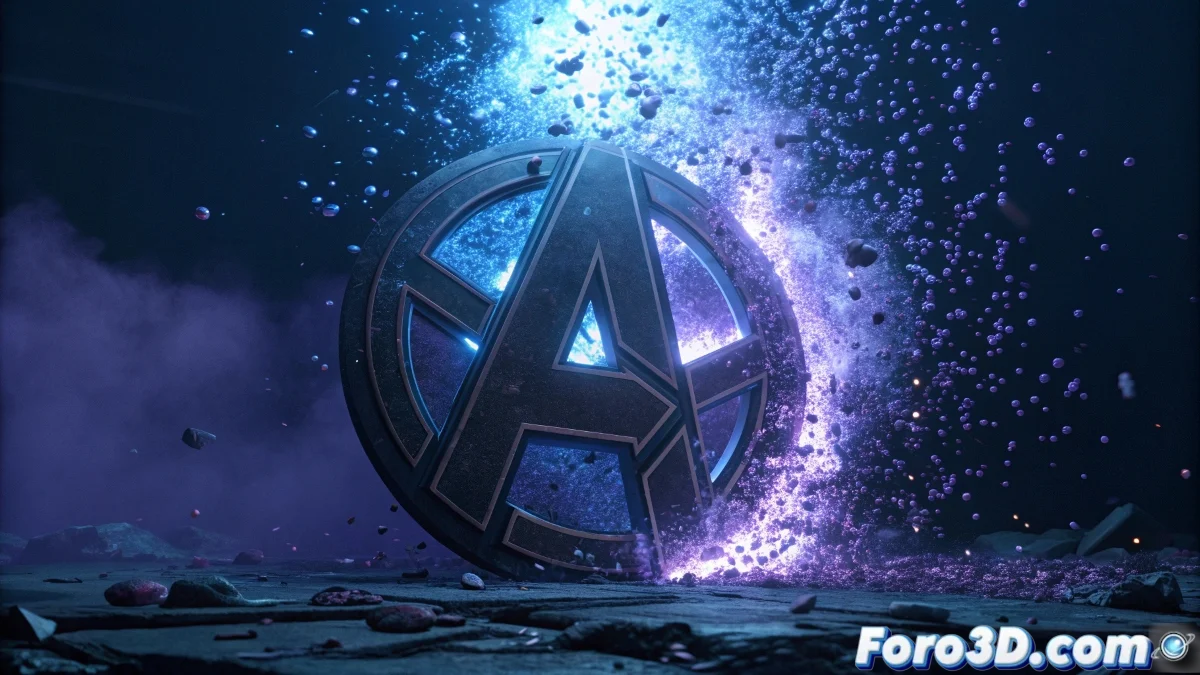
When an alternate universe meets its definitive end
Marvel Comics has officially announced the closure of its Ultimate Universe for 2026, marking the end of one of the most ambitious editorial experiments in comic book history. The universe that began in 2000 with Ultimate Spider-Man by Brian Michael Bendis and Mark Bagley will reach its conclusion with the event Ultimate Endgame, a final saga that promises to close all pending stories from this alternate reality. What started as a way to modernize classic heroes for new generations will find its denouement after more than two decades of publications.
The Ultimate Universe was always characterized by its more grounded and contemporary approach to Marvel characters, freeing them from decades of complex continuity. Here, Peter Parker was truly a 21st-century teenager, the X-Men faced prejudice in a modern context, and the Avengers emerged under completely different circumstances. This creative freedom allowed writers and artists to explore narrative territories that would have been impossible in the main universe, although it also generated controversies with bold decisions that divided fans.
Standout Legacies of the Ultimate Universe
- Miles Morales as the most significant Spider-Man created in decades
- Samuel L. Jackson as Nick Fury, casting that influenced the MCU
- Bold reinventions like Ultimate Wolverine the Cannibal
- Serialized narratives with permanent consequences and real deaths
The Weight of Two Decades of Stories
What makes this announcement particularly significant is that Marvel seems to be opting for a definitive end rather than simply putting the universe on hiatus. Ultimate Endgame promises to address all pending plotlines and provide closure to characters who have evolved over twenty-six years. For readers who have followed these versions since their adolescence, it represents the end of a significant era in their experience as comic book fans.
Every universe, no matter how alternate, deserves an appropriate ending
The event also raises fascinating questions about the fate of the most popular characters who transcended the Ultimate Universe. Miles Morales is already established in the main Marvel universe, but other characters like Ultimate Iron Man, Captain America, and Thor face uncertain destinies. The promise of an epic ending suggests that Marvel is preparing memorable farewells for these versions that, in many cases, introduced new readers to the world of comics.
Impact on the Modern Comic Landscape
- Influence on the MCU with elements that migrated to film
- Revival of the format attracting a new generation of readers
- Narrative experiments that influenced mainstream comics
- Creative legacy of writers like Bendis, Hickman, and Millar
For many analysts, the closure of the Ultimate Universe represents the end of a specific editorial philosophy that prioritized accessibility over established continuity. In an industry where alternate universes tend to multiply indefinitely, the decision to provide a definitive closure shows a level of respect for both the characters and the readers. Ultimate Endgame will not be just another crossover event, but the deliberate conclusion of an experiment that transformed how Marvel approaches superhero storytelling.
Those who grew up reading Ultimate comics will likely experience a mix of nostalgia and anticipation as they prepare to say goodbye to the versions that introduced them to the world of Marvel 🕷️