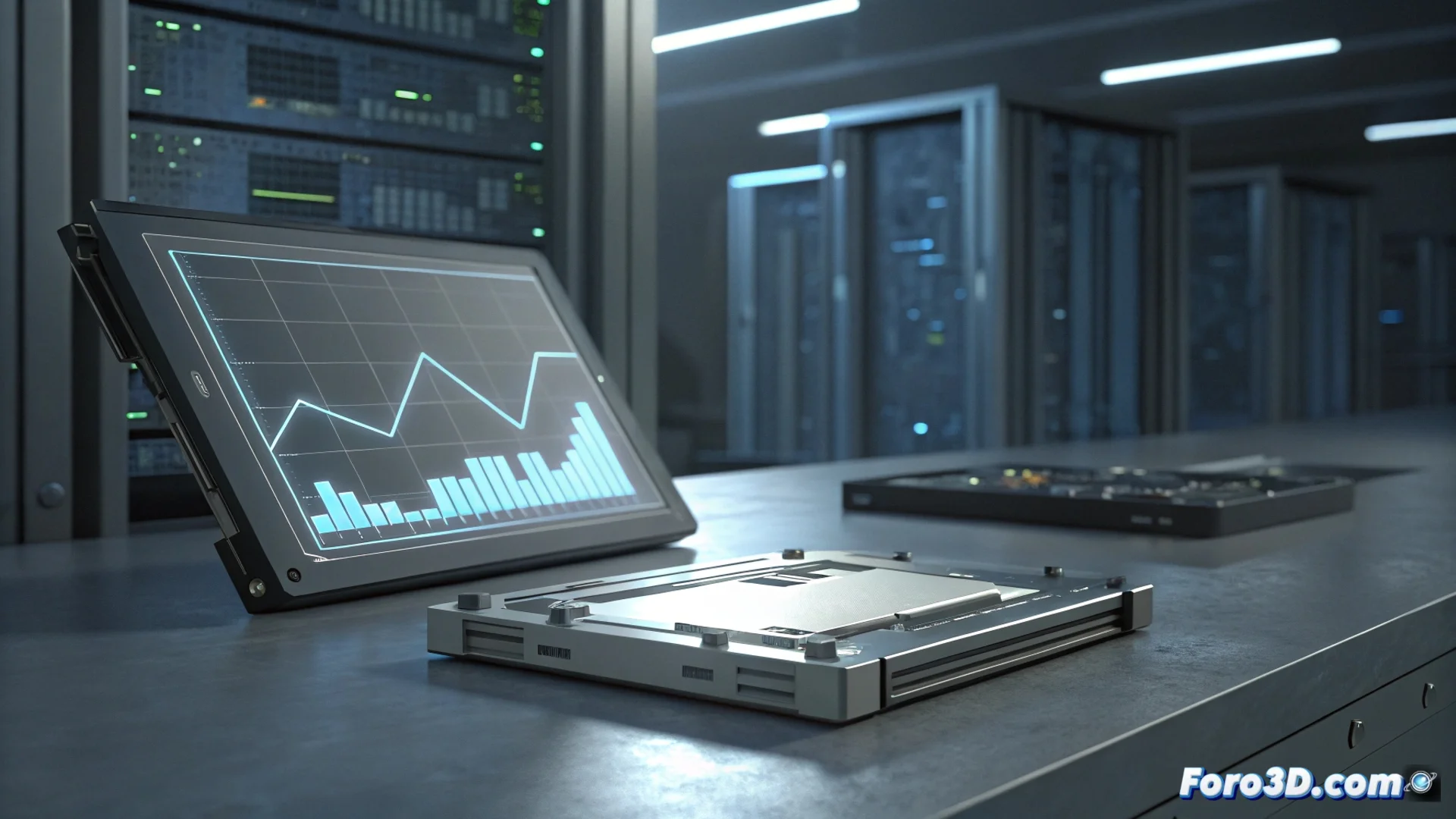
Manufacturers Plan to Stop Producing SATA Drives
A structural change is looming in the data storage sector. Several of the leading manufacturers are evaluating halting their production lines for SSD drives that use the SATA interface. This move responds to a decisive shift in purchasing habits, where external solutions are gaining prominence due to their competitiveness in price and speed. 🚀
The Economic Dominance of External Drives
Market logic has reversed. Currently, acquiring an external SSD with connections like USB 3.2 Gen 2 or Thunderbolt usually costs less than buying an internal SATA SSD of equivalent capacity. For the user, expanding the storage of their PC or console with a portable device is more economical and versatile. This reality drastically reduces demand for traditional internal formats, leading companies to redirect their resources.
Key Factors of the Change:- Lower Price: External drives have become cheaper, offering better value per gigabyte.
- Superior Speed: A modern external SSD exceeds 1000 MB/s, while SATA is limited to about 600 MB/s.
- Focus on Demand: Manufacturers prefer to produce NVMe SSDs for internals and portable solutions, which is what the market demands.
Maintaining lines for a slower and less profitable technology makes no sense when the market demands speed and portability.
The Technical Decline of the SATA Interface
The SATA standard dominated for over a decade, but its technological evolution has reached its limit. Current PCIe buses, used by NVMe SSDs, offer much superior bandwidth. This performance gap makes 2.5-inch drives with SATA connection lose appeal for most users and the manufacturers themselves.
Performance Comparison:- SATA SSD: Theoretical maximum speed of ~600 MB/s.
- External SSD (USB 3.2): Can exceed 1000-2000 MB/s.
- Internal NVMe SSD (PCIe 4.0/5.0): Reaches several thousand MB/s, multiplying SATA performance.
A Future for Legacy Systems
The classic 2.5-inch drive seems destined to become a niche component. Its main future use will be replacing parts in older systems that do not support more modern technologies. Meanwhile, the industry advances toward more compact formats, like M.2 drives, and fast external solutions that meet the need to store and transfer data with great agility. The SATA legacy gives way to an era of greater speed and convenience. 💾