Manage Stress and Separation Anxiety in Pets
When pets are left alone, they can experience anxiety, which often translates into problematic behaviors such as chewing furniture or barking nonstop. This discomfort indicates real suffering that needs attention. The solution is not to avoid going out, but to prepare the pet to handle those moments calmly. 🐾
Gradually Acclimate the Pet
The first step is to accustom the animal to periods of solitude incrementally. Start with very short absences, just a few minutes, and gradually increase the duration. During this time, it is helpful to enrich the space where it stays. Toys that release food or relaxing music can distract it and create a more serene environment, reducing the perception of abandonment.
Environmental Enrichment Tools:- Food-dispensing toys: Keep the animal occupied and mentally reward it.
- Ambient sounds or soft music: Help mask external noises and create a tranquil atmosphere.
- Hiding spots or safe beds: Provide a refuge where the animal can feel protected.
A stimulating environment can turn a moment of solitude into an opportunity to explore and relax.
Leverage Technology to Connect
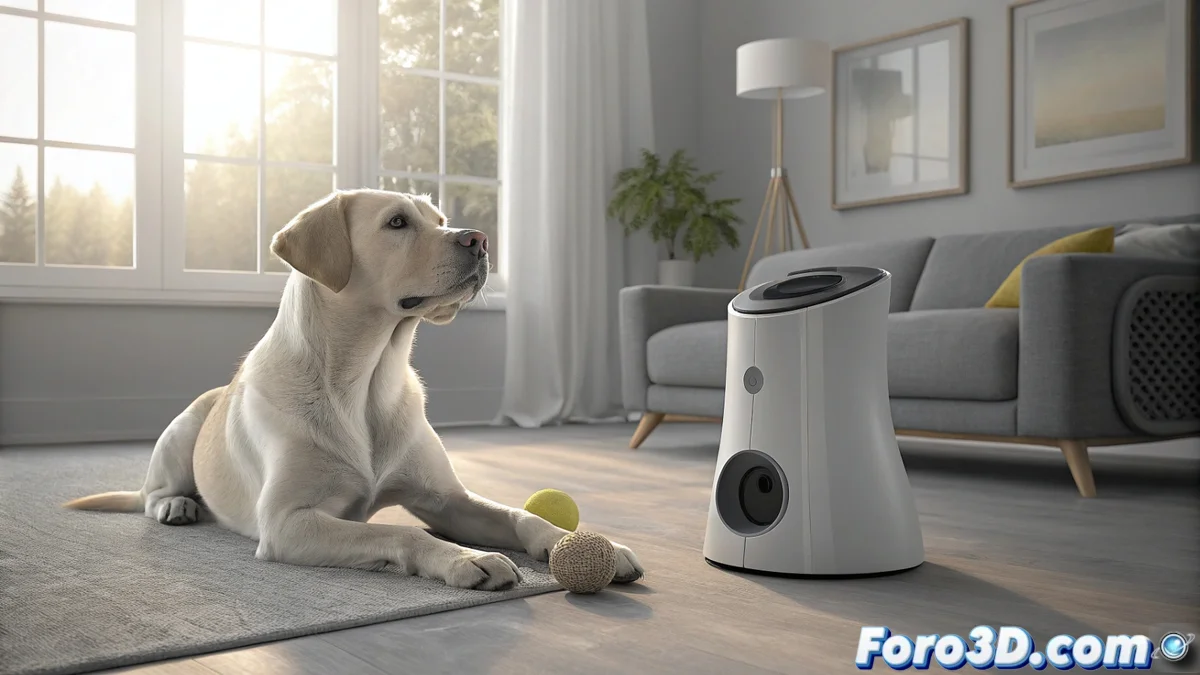
Modern devices offer invaluable support. Pet cameras with two-way audio allow not only to see, but also to listen and talk to your animal. Some models include a remote treat dispenser, which you can activate from your phone to reward calm behavior. This remote interaction makes the dog or cat perceive your presence and reduces the feeling of isolation, while you check its status live. 📱
Key Features of Interactive Cameras:- Two-way audio: To calm your pet with your voice in real time.
- Remote-controlled treat dispenser: Reinforces tranquility positively.
- Live streaming and motion alerts: Allow monitoring the animal's activity and well-being.
Establish Consistent and Positive Habits
Technology is a complement, but the foundation is a predictable routine. Before leaving, dedicate time to a long walk or intense play so your pet expends physical and mental energy. It is crucial to normalize entries and exits, avoiding overly effusive goodbyes or greetings that may upset the animal. Combining this behavioral approach with environmental enrichment and technological monitoring forms a comprehensive strategy. This method not only manages the pet's stress, but also prevents destructive behaviors that, in extreme cases, can lead to costly vet visits for ingesting objects. Peace of mind is worth the effort. 🏡