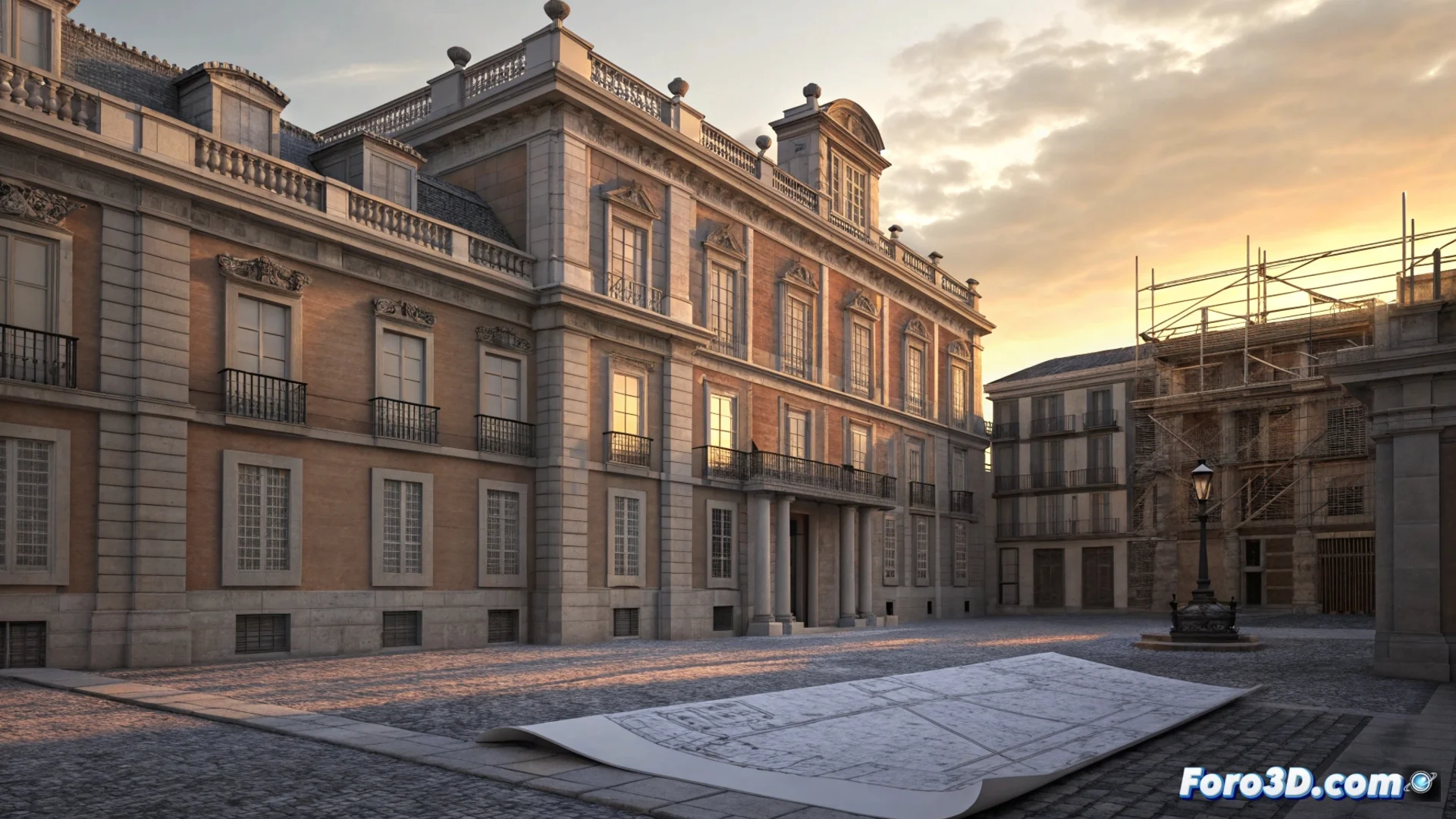
Madrid's Deputy Mayor Clarifies the House of Alba's Request
Inma Sanz, Madrid's Deputy Mayor, cleared up doubts about the House of Alba's request to the City Council. The family requested permission to renovate several properties they own near the Palacio de Liria, but not to change their use. This clarification responds to previous reports suggesting a possible alteration in the function of the buildings. 🏛️
The Focus is on Rehabilitation and Preservation
The application submitted by the family focuses exclusively on carrying out rehabilitation works on a group of buildings adjacent to their main palace. According to the municipal explanation, the objective is to preserve and improve the condition of these constructions, which are part of the historical heritage of the area. The Deputy Mayor insisted that the project maintains housing as the primary purpose of all spaces.
Key Details of the Request:- The request is limited to authorizing renovations on properties owned by the House of Alba.
- It does not include modifying the established residential use for these buildings.
- The works aim to rehabilitate and preserve the architectural heritage of the area.
“The request does not include modifying the residential use of these buildings,” specified Inma Sanz, Madrid's Deputy Mayor.
The City Council Analyzes the Documentation
The municipal government team now must evaluate the project submitted by the House of Alba. This process is standard for any intervention in protected buildings or areas of special historical value. The local administration verifies that the planned works respect the urban planning ordinances and do not alter the character of the neighborhood.
Steps in the Evaluation Process:- The City Council analyzes the documentation to comply with regulations.
- It verifies that the works respect the ordinances and the surroundings.
- The final decision will depend on the corresponding technical reports.
A Common Procedure for a Unique Heritage
This case illustrates how even the most emblematic properties must go through official channels to make modifications. The process ensures that the historical and urban integrity of the area is preserved, guaranteeing that any change, no matter how minor, complies with the law. The Deputy Mayor's clarification underscores the importance of distinguishing between rehabilitating and changing the use of a property, a crucial nuance in urban heritage management. 📜