When Construction Materials Come to Life
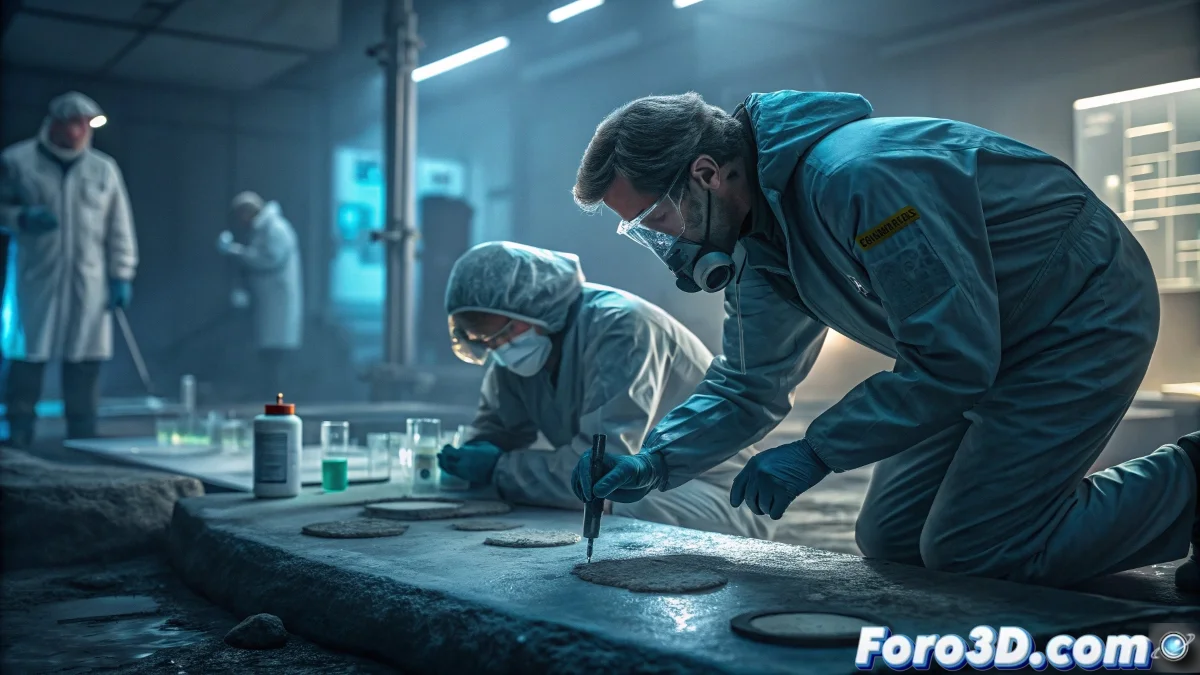
The quest for more durable and sustainable construction materials has taken a giant leap forward with a development from the Netherlands. 🏗️ Researchers have created living concrete, an innovative material that has the ability to self-repair when it comes into contact with water. This technology not only promises to revolutionize the construction industry but also brings architecture closer to a concept that was once science fiction: structures that heal themselves, mimicking nature's biological processes.
The Secret Lies in the Bacteria
The magic of this concrete lies in the incorporation of specific encapsulated bacteria into its matrix. These bacteria remain dormant until a crack allows water and moisture to enter. 💧 Once activated, the microorganisms begin to feed on nutrients also incorporated into the concrete and, as a byproduct of their metabolism, produce calcite, a mineral that effectively seals the crack. This biological process replicates how the human body heals a wound, but on a structural scale.
It is the first construction material with a built-in immune system.
Implications for the Future of Infrastructures
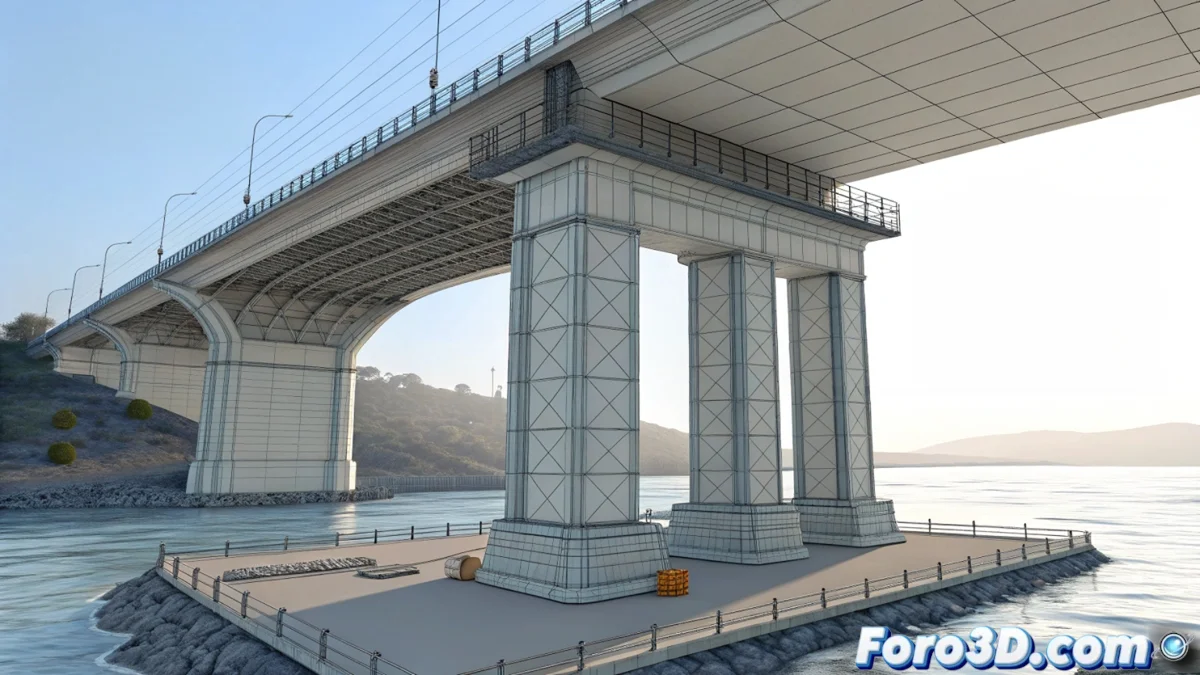
The advantages of this breakthrough are monumental. Microscopic cracks, which are the gateway to major problems like rebar corrosion, can be sealed before they become a structural threat. 🌉 This translates into a much longer service life for bridges, roads, and buildings, drastically reducing maintenance costs and disruptions from repair works. For critical or hard-to-access infrastructures, this benefit is incalculable.
- Sustainability: Reduces the need to produce and transport new material for repairs.
- Safety: Proactively maintains structural integrity.
- Economy: Saves billions in long-term maintenance costs.
Documenting the Innovation in AutoCAD
For engineers and architects, tools like AutoCAD are essential for integrating this new material into their projects. Through the use of differentiated layers and custom shading patterns, it is possible to clearly specify in the plans where the living concrete will be applied. 📐 Section details can illustrate the repair mechanism, showing the bacteria capsules and how the material would seal a fissure. This precise technical documentation is crucial for the widespread adoption of the technology.
After learning about this concrete, one almost expects buildings to start sneezing to expel dust. 😄 It will only be a matter of time before structures not only repair themselves but also ask for food when they're hungry.