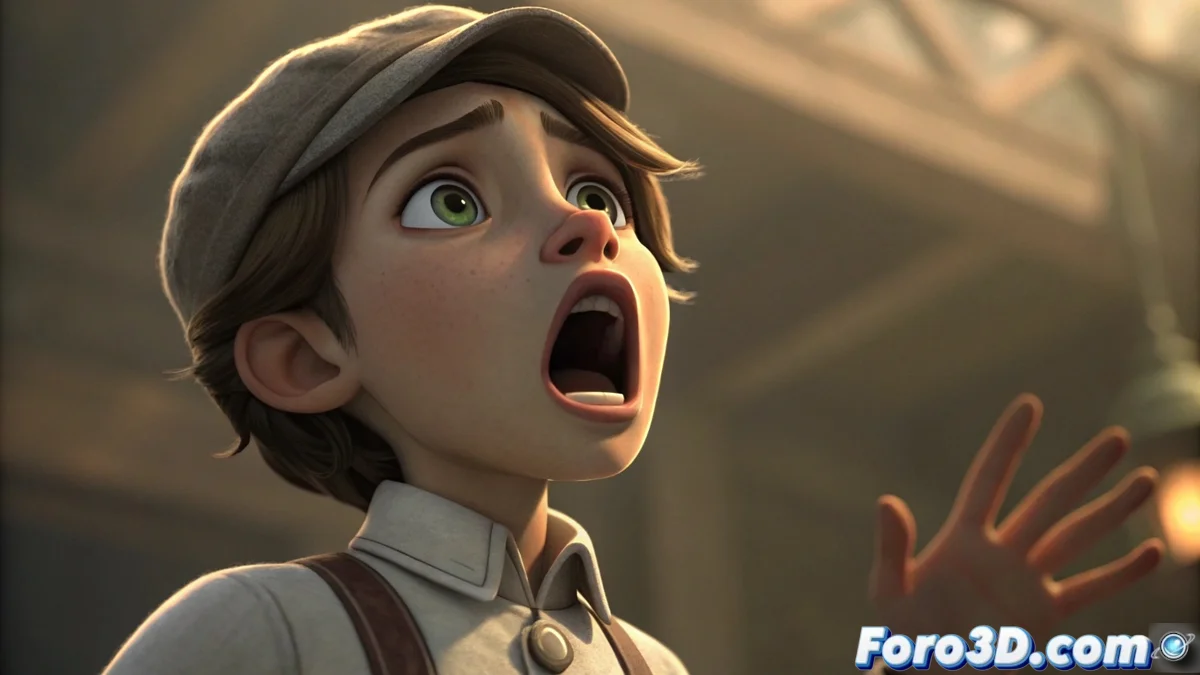
Lip Sync Desynchronization Breaks Immersion in an Animation
In the world of animation, few errors are as evident and detrimental as lip sync desynchronization. This problem occurs when the movement of a character's mouth does not align with the sounds of the dialogue being heard. The result is that the viewer perceives an immediate disconnection between the image and the sound, destroying the illusion of life that animation seeks to create. It generates distraction and a sense of falseness that harms the narrative. 🎬
Why Does This Technical Failure Happen?
This defect does not have a single cause, but can appear in multiple phases of producing an animation. Often, the origin is in the animation stage, where a poorly placed keyframe on the software's timeline is enough to create a mismatch. Other times, the problem arises because the reference audio is modified after animating the mouth and the adjustments are not made. Even when rendering with an incorrect frame rate or exporting the final file, sync issues can be introduced. A minimal delay when mixing the audio and video channels also causes this unwanted effect.
Main Causes of the Mismatch:- Placing keyframes at incorrect moments within the animation software's timeline.
- Changing the dialogue audio after animating the lips and not updating the movements.
- Rendering the final sequence with a frames per second setting that does not match the project's.
A character that seems to be in a silent movie dubbed by someone speaking another language, creating an unintentional comedic effect that no one sought.
Strategies to Prevent and Fix the Problem
Avoiding lack of sync is more efficient than correcting it later. The foundation is to define and use a definitive reference audio from the earliest stages of the project. Many professional animators use tools like a dope sheet or a phonetic shape chart to visually plan each sound and its corresponding lip movement. Constantly reviewing the animation progress with the audio enabled is a fundamental step to detect deviations in time.
Steps to Correct Desynchronization:- Manually adjust the position of keyframes on the timeline to align them with the peaks of the dialogue's sound wave.
- Use the sync correction tools included in many video editing programs, even after rendering.
- Verify and correct the frame rate both in the composition and in the rendering settings to ensure consistency.
Conclusion: Sync as a Pillar of Credibility
Perfect lip synchronization is a critical, though often invisible, element for an animation to work. When well executed, the audience immerses themselves in the story without noticing the technical work behind it. When it fails, it becomes the focus of attention, ruining the experience. Mastering its prevention and correction is, therefore, an essential skill for any animator seeking to create credible and engaging works. ✅