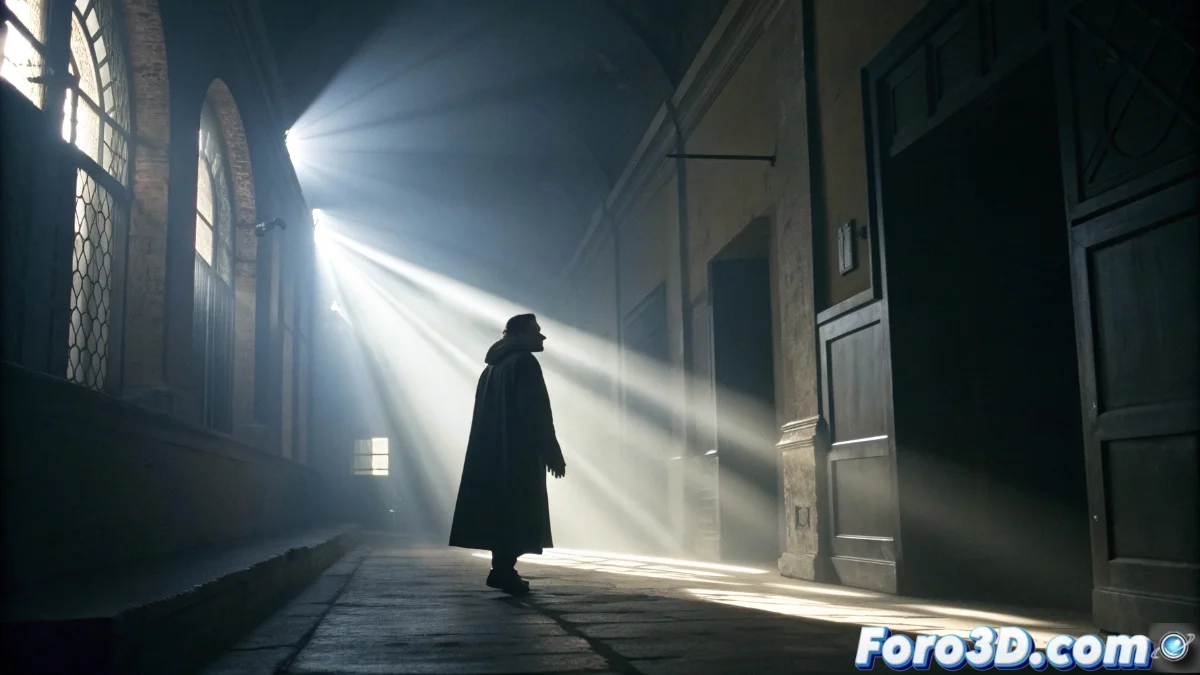
Light as a Narrative Character in Visual Productions
In the universe of visual creation, lighting emerges as an active participant that shapes every shot with its subtle yet decisive presence. This element not only illuminates, but dialogues with the audience through luminous nuances that reveal emotional states and foreshadow plot developments. As a strategic ally of the director, light modifies perceptions, generates psychological tension, and establishes the narrative tempo without emitting any sound, connecting directly with the audience's visual subconscious 🎭.
The Emotional Vocabulary of Lighting
When light assumes the role of a conscious actor, it develops a complete visual language where each lighting choice conveys specific emotional meanings. Intense backlights can express internal conflicts or hidden truths, while diffuse and warm light frequently envelops moments of vulnerability or personal discoveries. Abrupt transitions in color temperature serve as emotional bridges, guiding the viewer through various states of mind that reflect the psychological evolution of the characters. This luminous language is meticulously woven through the cinematography direction, where each light source is positioned with the precise intention of provoking calculated emotional responses.
Lighting Expression Strategies:- Recurrent motifs of lighting establish thematic links between scattered scenes, building a development arc for the luminous character
- The manipulation of shadows does not simply hide elements, but actively suggests invisible threats or dark facets of the characters
- The use of tools like Unreal Engine | Unity allows previewing lighting behaviors, while Shader | Compute techniques program specific emotional responses in interactive scenes
When light decides to take the starring role without warning, the flesh-and-blood actors must learn to share the scene with that companion who never forgets its lines but occasionally gets out of control in counter-shot frames
Tools to Give Voice to Light
Visual artists implement diverse methodologies to infuse distinctive personality into lighting within their narratives. Carefully controlled directional light functions as a narrative beacon that directs attention exactly where the story demands, while ambient lighting establishes the fundamental mood that permeates every frame. The integration of advanced technologies enables the creation of lighting systems that respond dynamically to narrative developments, transforming light into a true co-narrator of the visual experience.
Practical Implementation Techniques:- Precise control of angles and intensities to create visual hierarchies and guide the viewer's gaze
- Utilization of filters and diffusers to modify light quality according to the emotional needs of each scene
- Programming of reactive lighting behaviors through advanced shaders and visual computing systems
Lighting Sovereignty on Set
In the culminating moment of production, when the spotlights turn on, light demonstrates its true dominion over the visual space. This element not only complements the narrative, but frequently dictates the emotional terms of each shot, reminding everyone present who the true diva of the set is. Mastery in handling this silent character separates ordinary productions from memorable visual experiences that endure in the audience's retina and memory 🌟.