The Digital Transformation of Cinematographic Sets
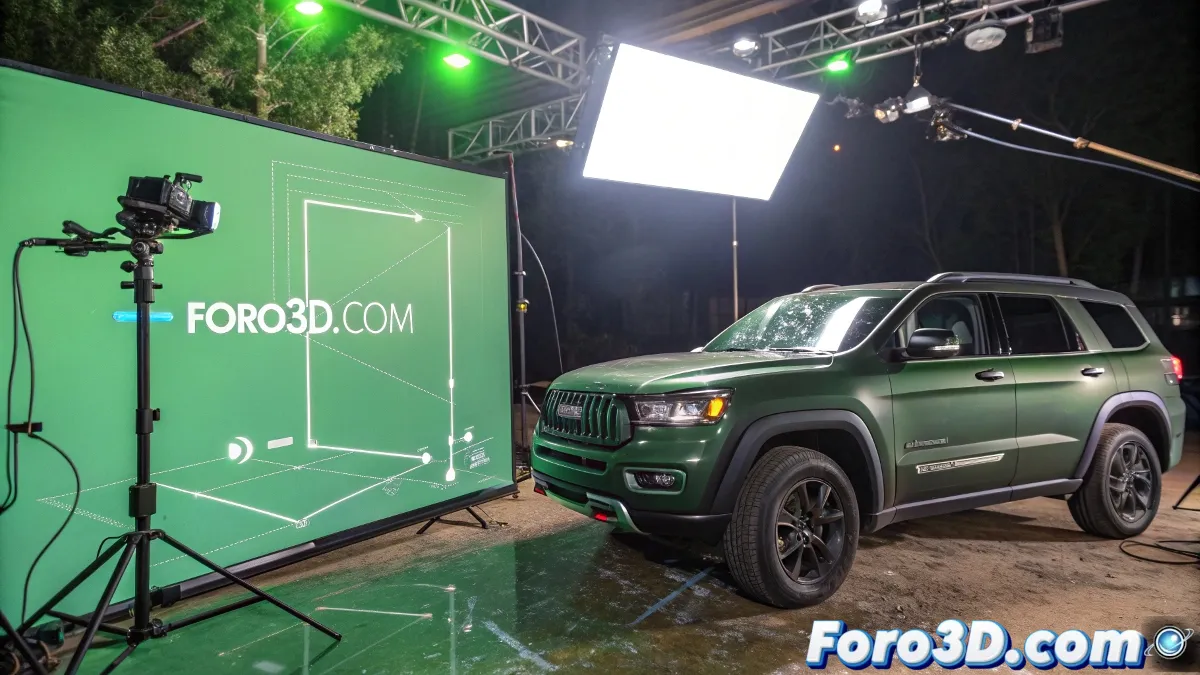
The film industry is undergoing a technological transition where LED volumes coexist with traditional methods. This evolution does not represent a replacement, but an expansion of creative possibilities. Experts agree that the true value of these technologies lies in their strategic application according to the narrative needs of each production.
Adaptable Configurations for Diverse Needs
Modern studios are adopting flexible solutions that allow:
- Spatial reconfiguration: adjust volume dimensions according to requirements
- Mobility: transportable units for remote locations
- Specialization: sets designed for specific uses such as vehicular shots
"The true innovation is not in the technology itself, but in how it adapts to existing workflows" - Matt Jacobs, VFX supervisor
Technical Advances and Their Limitations
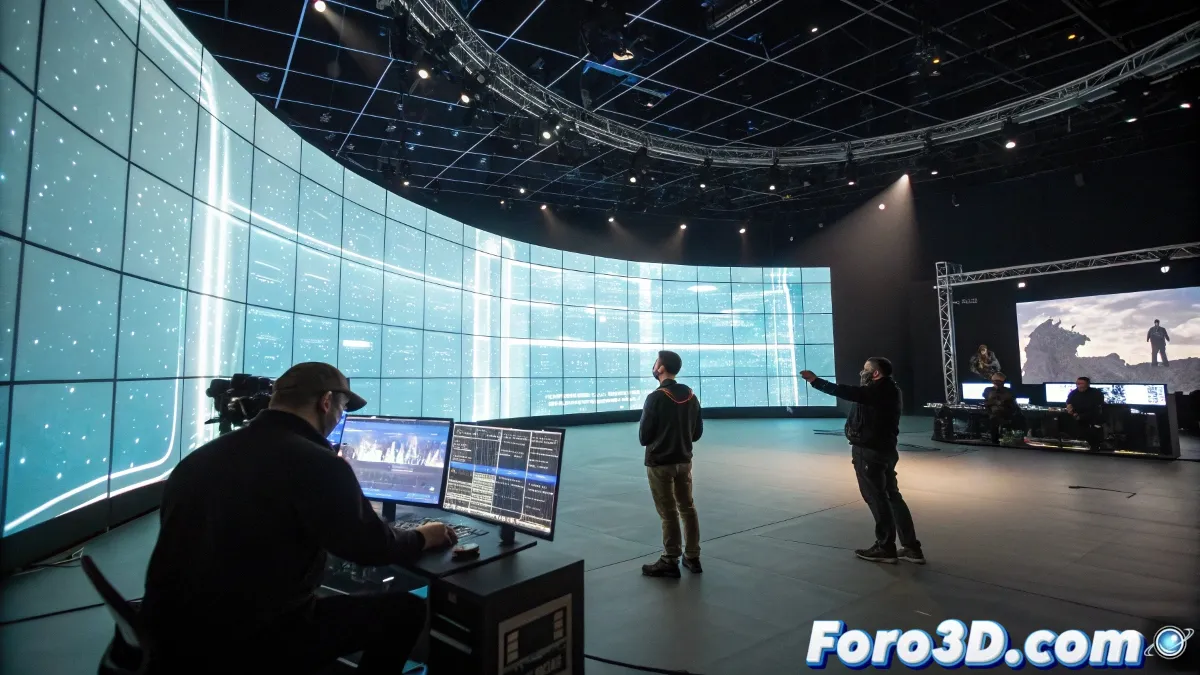
Modern graphics engines have resolved historical challenges through:
- Rendering of complex geometry with Nanite
- Dynamic lighting through Lumen
- Real-time atmospheric simulation
However, aspects such as clean audio capture and the full light spectrum continue to present technical challenges.
Collaborative Workflows
Virtual production has generated new roles and dynamics:
- VFX supervisors as mediators between the physical and digital
- Simplified interfaces for creative departments
- Joint previsualization sessions
This technological evolution is redefining creative processes without altering the fundamental essence of the cinematic art.