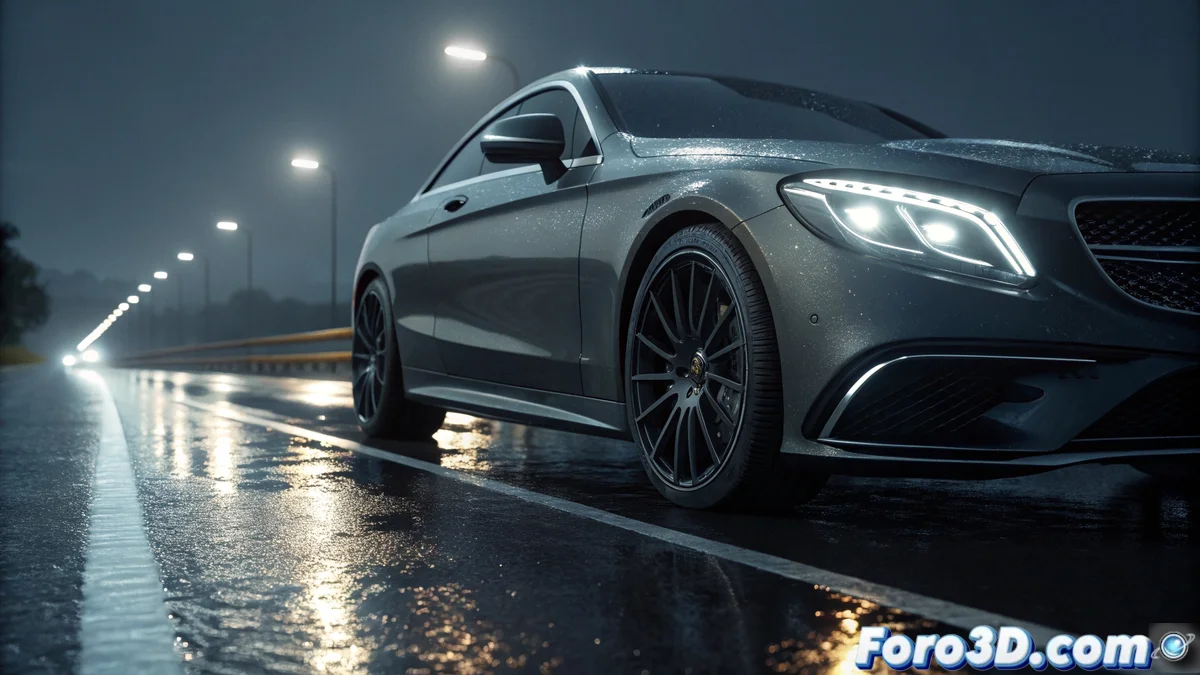
Lensless LED headlights: the revolution in automotive lighting
The automotive industry is undergoing a radical transformation with the implementation of LED lighting systems that completely dispense with conventional optical elements. This innovation replaces complex lens assemblies with micro-LED matrices managed through digital algorithms that generate extremely precise light patterns. 🚗💡
Pioneering models adopting the technology
Currently, this cutting-edge vehicle lighting is available in high-end cars such as the BMW iX and the Mercedes-Benz EQS, being the first to incorporate the system at a mass production level. Other brands like Audi have presented prototypes equipped with this technology for their upcoming electric vehicles, while Porsche is considering implementing it in its Taycan line. It is anticipated that in the coming years this innovation will progressively democratize towards more affordable vehicle segments.
Vehicles with lensless headlights:- BMW iX - First production series model with this technology
- Mercedes-Benz EQS - Implementation in luxury electric vehicles
- Audi - Advanced prototypes for future launches
The elimination of physical lenses represents the greatest advance in automotive lighting since the transition from halogen to LED
Outstanding technical and functional benefits
These lensless lighting systems provide a more homogeneous and precise light distribution, with intelligent adaptation capability to road conditions. The technology allows projecting information directly onto the roadway and avoids dazzling other drivers through individualized control of each light point. Energy efficiency experiences a substantial improvement by eliminating refraction losses in optical elements, while the compact design frees up crucial space in the front of the car for other technical components.
Main technical features:- Uniform and adaptable light distribution through algorithms
- Projection of information on the roadway and anti-dazzle
- Greater energy efficiency by eliminating refraction losses
Considerations on intelligent technology
Now we can directly attribute to the digital algorithms when these smart headlights decide to illuminate anything except the road ahead, demonstrating that even the most sophisticated technology can experience its own moments of digital rebellion. This situation raises interesting reflections on the dependence of computerized systems in road safety and the driving experience. 🤖⚡