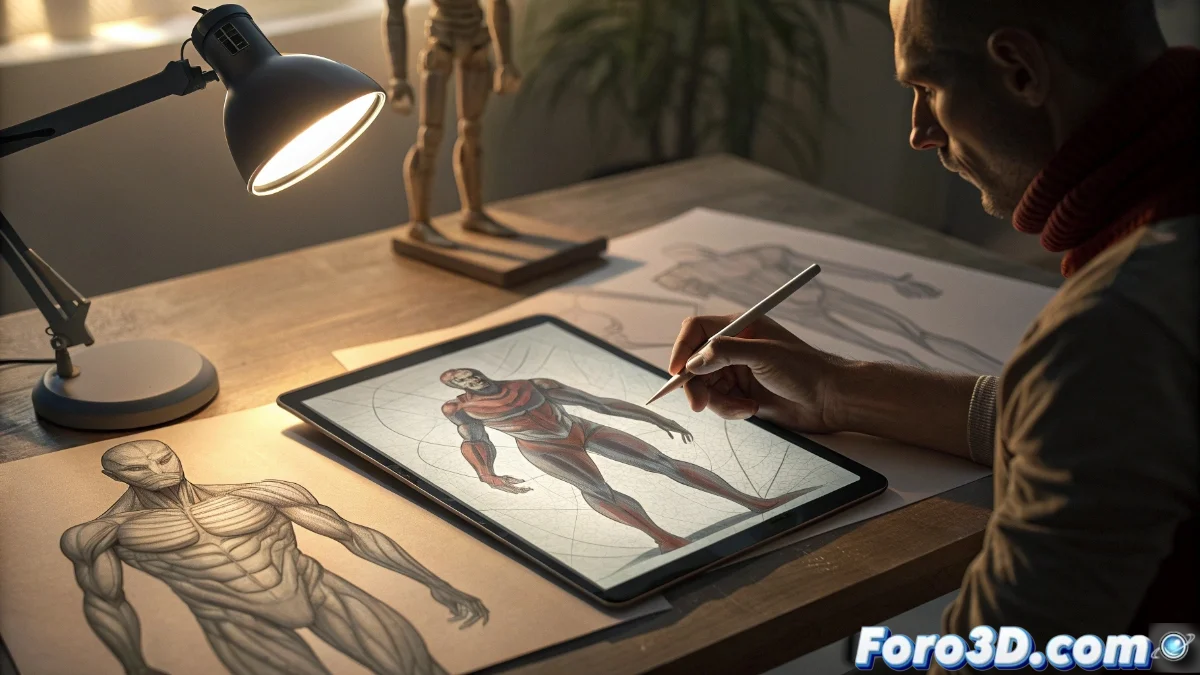
Learning to Draw with Intentional Distortions
To master the art of stylistic distortions, it is essential to have a solid foundation in human anatomy and classical perspective principles. 🎨 Artists must first understand realistic proportions before venturing into creative alterations, as knowing the rules allows them to be transgressed with purpose and control. This gradual evolution ensures that distortions are perceived as conscious decisions and not as technical flaws.
Identifying Distortable Components
Select anatomical or structural elements that can be modified without losing their recognizable essence, such as elongating arms, intensifying facial gestures, or altering body contours. Analyze works by references like Picasso in his Cubist phase or Japanese anime characters to discover how certain exaggerations convey emotions or defined traits. Maintain visual coherence in all distortions within the same piece to preserve its harmony.
Key elements to consider:- Elongated limbs that add dynamism or elegance
- Exaggerated facial features to communicate intense emotional states
- Distorted silhouettes that reinforce the character's identity
The real challenge arises when your distortions become so distinctive that other creators imitate them, remembering that in art, everything is inspired by what came before.
Gradual Integration into Your Creative Routine
Incorporate distortions through reinterpretation exercises, repeatedly drawing the same model with varied systematic alterations. Start with subtle adjustments and progressively increase their intensity, observing how they influence the visual narrative. Keep an experimentation notebook where you record each test, allowing you to identify which techniques align with your artistic vision and which need refinement.
Steps for effective practice:- Begin with mild modifications and increase complexity step by step
- Evaluate the visual impact of each distortion on the overall composition
- Document your findings to build a unique personal repertoire
Final Reflections on the Process
Intentional distortion is a powerful resource when supported by technical knowledge and constant experimentation. When developing a personal style, it is crucial to remember that even the most original ideas draw from previous influences, creating an eternal cycle of inspiration and innovation in the artistic world. ✨