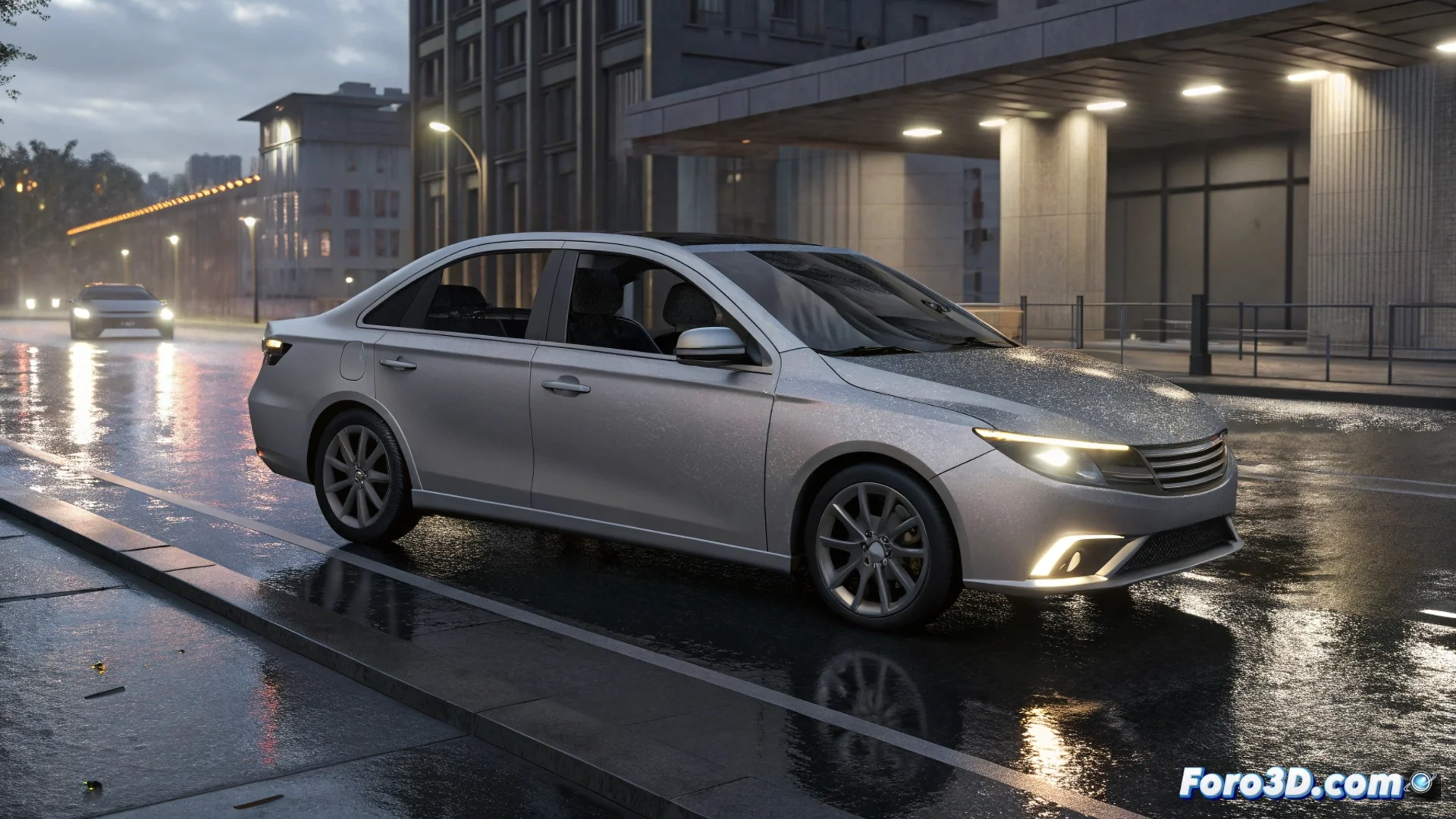
Leapmotor B10 Hybrid EV Arrives in Europe with a Competitive Price
The Chinese brand Leapmotor introduces its B10 Hybrid EV model to the European market. Its proposal is based on a range extender system that integrates an electric motor to drive the wheels and a small gasoline engine that generates electricity. The goal is clear: to compete directly on price with the hybrid and electric models already established on the continent. 🚗⚡
A Propulsion System that Eliminates Range Anxiety
The technical heart of the B10 is an electric motor. A 1.5-liter gasoline engine does not drive the wheels, but functions exclusively as a generator to recharge the battery when needed. This configuration allows the vehicle to operate primarily on electricity, but with the possibility of quickly refueling fuel to significantly extend its total range. The battery can also be recharged at an external charging point.
Key Propulsion Features:- Electric motor as the sole source of traction for the wheels.
- 1.5L thermal engine acting as a generator (range extender).
- Flexible charging: via the gasoline generator or at external charging points.
The strategy to conquer Europe is not just about technology, but about offering more car for less money.
Modern Design and an Interior Focused on the Screen
On the exterior, the B10 displays a contemporary aesthetic with fluid lines and a front dominated by a light strip. Without needing space for a large traditional engine, the cabin gains space for passengers. Inside, a large screen dominates, controlling the infotainment system and most of the vehicle's functions, prioritizing connectivity and a digital experience.
Design and Equipment Highlights:- Fluid exterior lines and LED lighting on the front.
- Spacious interior, typical of platforms designed to be electric.
- Infotainment system integrated into a panoramic screen.
The Challenge of Gaining Trust in the European Market
Leapmotor bets on a value formula: practical hybrid-electric technology at an aggressive price. This is a script that other Chinese brands have already tried to execute with varied results. Final success will depend on whether European drivers trust this new proposal and value its solution