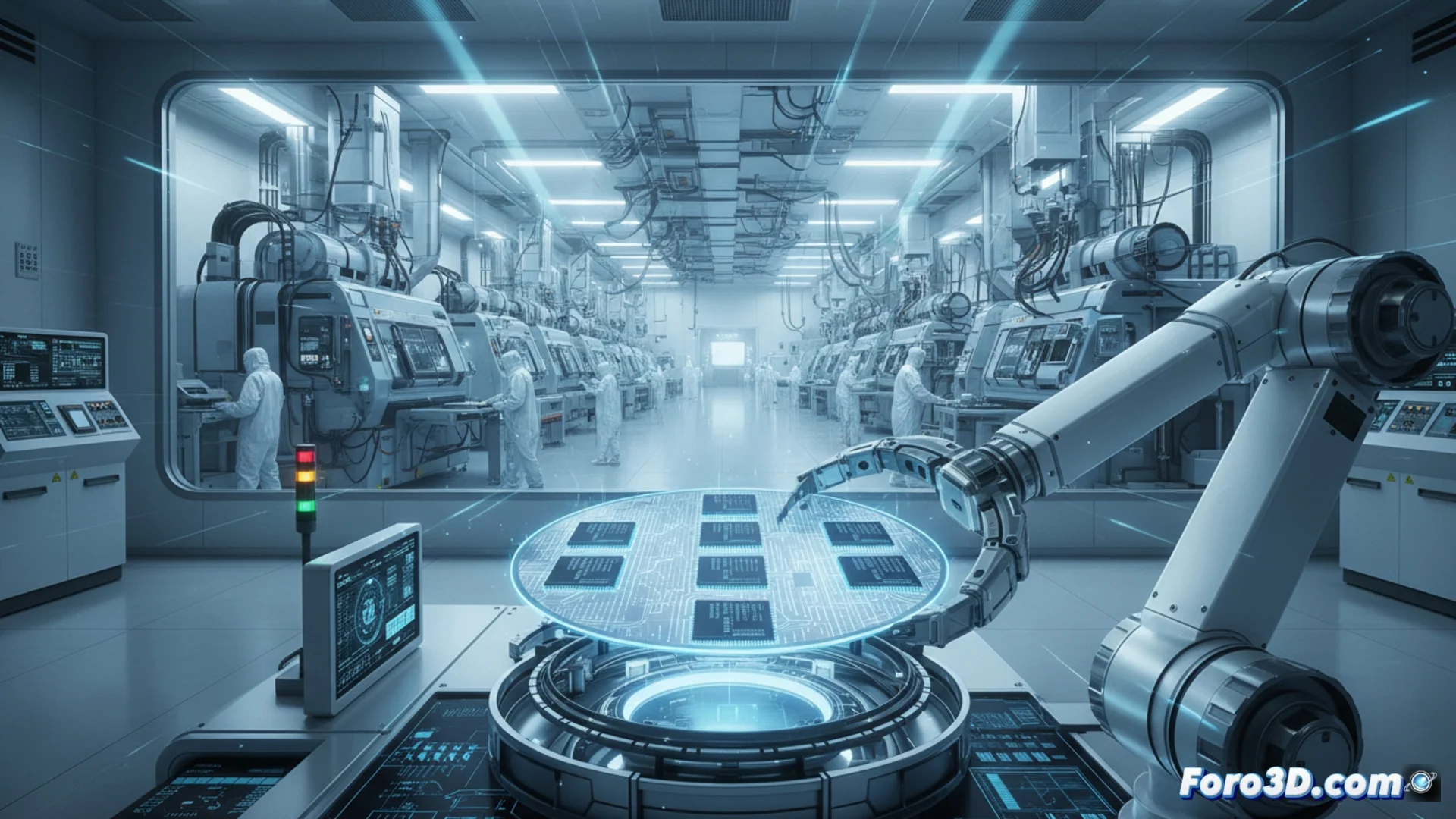
Kioxia Bets on Flash Memory to Grow with Artificial Intelligence
The Japanese company Kioxia, specialized in manufacturing NAND flash memory chips, identifies the explosive growth of artificial intelligence as a key window to expand its market presence. 🚀 Instead of diversifying its portfolio like its larger rivals, the company plans to double down on its historical niche: long-term data storage. Its confidence lies in the growing need to permanently store information for AI systems, which will drive its future growth.
The Strength of Focusing on a Single Product
Unlike giants like Samsung or SK Hynix, which produce multiple types of memory, Kioxia concentrates almost all its efforts on NAND memory. This unique focus allows it to optimize its resources and supply chain for a specific product. The company argues that durable data storage is a critical component for AI infrastructure, ensuring a solid and expanding market for its solutions. 💾
Key Advantages of Specialization:- Allows more efficient investment in R&D to improve NAND technology.
- Simplifies the supply chain and logistics by handling a central product line.
- Positions Kioxia as an expert reference in a market segment with assured demand.
While some race to manufacture the fastest memory for training models, Kioxia seems content to be the library where those models store all their books.
Why Does AI Need More Flash Storage?
Artificial intelligence models and applications generate, process, and require access to massive volumes of information permanently. NAND flash memory, which does not need constant power to retain data, becomes essential for this purpose. Kioxia anticipates that this need will not only persist but increase, allowing it to compete without allocating capital to other more complex and costly memory technologies. 🤖
Factors Driving Demand:- Training data for AI models must be stored securely and accessibly for future iterations.
- Real-time inference also generates large amounts of data that must be preserved.
- The scalability and storage density of NAND make it ideal for data centers oriented toward AI.
A Defined Strategy in a Shifting Market
Kioxia bets on a different path from the majority. Its strategy is not to follow competitors in the race to produce high-speed volatile memories (like DRAM or HBM), but to consolidate itself as the essential provider for storing the vast knowledge that AI generates. In an ecosystem where everyone seeks to process faster, Kioxia trusts that someone must store all those results reliably and efficiently. Time will tell if this deep specialization is the key to gaining ground against diversified giants. ⏳