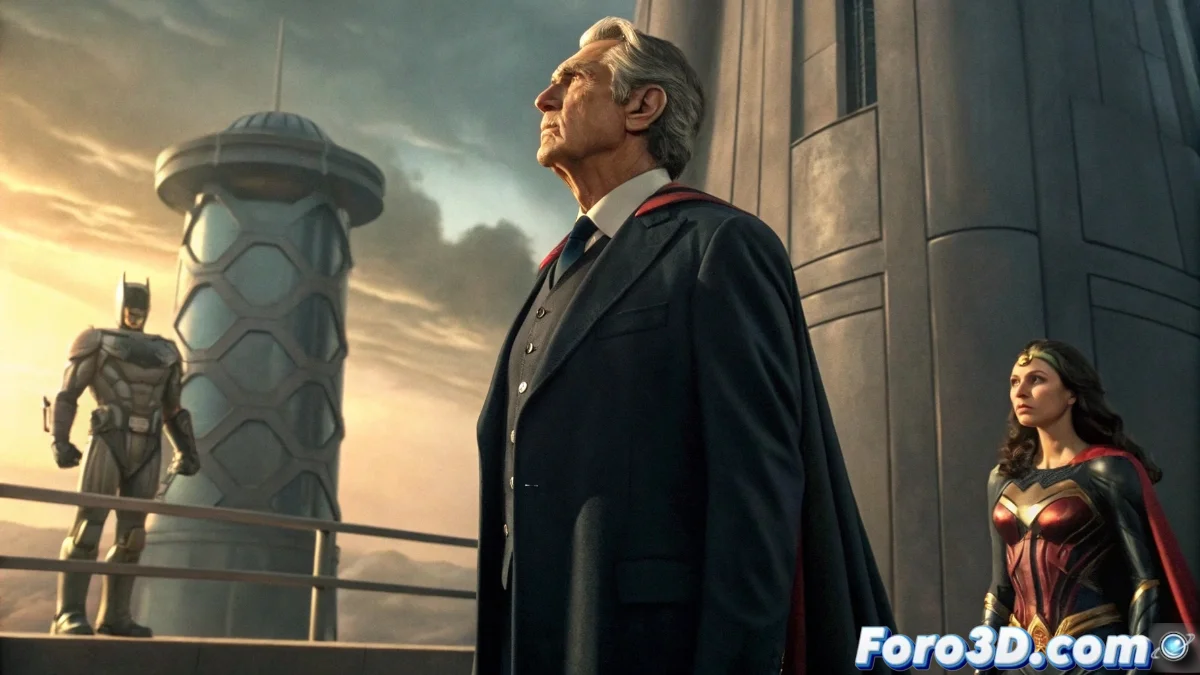
Kingdom Come: Analysis of DC Comics' Dystopian Masterpiece
In the expanded DC Comics universe, Kingdom Come emerges as a prophetic and disturbing vision where traditional heroic values collapse in the face of a new era of ruthless vigilantes. The plot transports us to a future where the classic protectors have been replaced by a generation that operates without moral limits, forcing a retired Superman to return and confront this ethical chaos. 🦸♂️
Dystopian Context and Moral Crisis
The setting presents a humanity on the brink of collapse due to the extreme methods of the new metahumans, creating an existential paradox where those destined to protect become the greatest threat. Superman, affected by devastating personal losses, must reconcile his ideology with a reality where the concept of justice has been corrupted.
Central Elements of the Conflict:- The forced retirement of classic heroes and their return as the last hope
- The irreconcilable generational confrontation between heroic ideologies
- The erosion of boundaries between good and evil in a transformed society
The most powerful beings on the planet need an ordinary human to remind them what it means to be human
Revolutionary Art and Visual Narrative
Alex Ross implements an innovative oil painting technique that gives each panel a unique cinematic texture. His hyperrealistic approach transforms iconic characters into figures with vulnerability and emotional depth never seen before, while the majestic page compositions elevate the narrative to epic levels. 🎨
Highlighted Artistic Features:- Intensely human facial expressions that reveal internal conflicts
- Atmospheric color palette that reflects the story's melancholic tone
- Aged costume designs that symbolize the passage of time and wear
Narrative Structure and Thematic Development
The story is built as a contemporary biblical allegory, using pastor Norman McCay as the narrator and moral conscience of the tale. Through his perspective, we witness how Superman's creation of the heroic sanctuary triggers an apocalyptic confrontation with antagonistic forces that challenge the very foundations of heroism. ✨
Philosophical Legacy and Final Reflection
Kingdom Come transcends the traditional comic format to pose profound existential questions about the nature of power and responsibility. The work demystifies the superhero figure to explore its human and fallible dimension, culminating in a hopeful message about redemption and moral evolution that resonates in our contemporary reality.