Jiangsu Opens Its First Brain-Computer Interface Clinic in Nanjing
A medical center specialized in neural interface technology begins operations at Zhongda Hospital. This innovative space is dedicated to applying semi-invasive methods to assist people living with high-level paraplegia, with the main goal of helping them regain some independence. 🧠
The Semi-Invasive Technique Captures Brain Signals
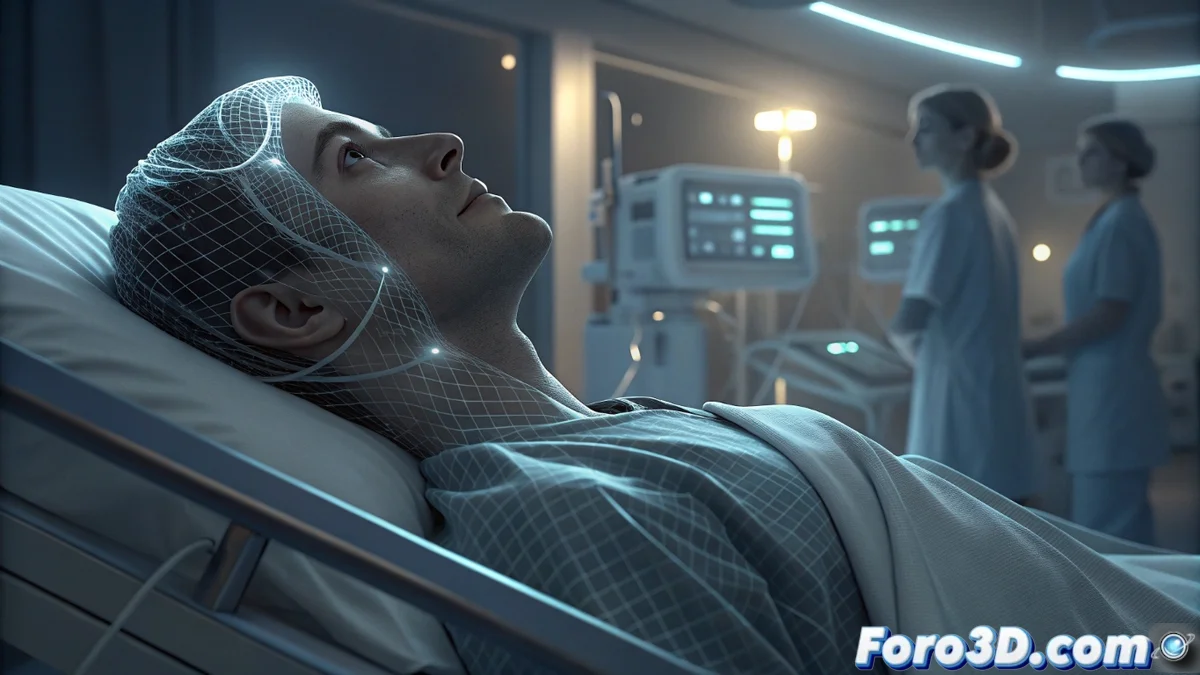
Unlike systems that require implanting electrodes deep into the brain, this approach places a thin mesh of sensors on the cortical surface, under the skull. This strategic position allows recording neural activity with great detail, but minimizes the risks associated with damaging neural tissue. The data captured by these electrodes is sent to a system that processes it instantly using AI algorithms, which convert thought patterns into executable digital commands.
Key Advantages of the Method:- Capture signals with high resolution without penetrating the brain parenchyma.
- Reduce the risk of infections or long-term neurological damage.
- Allow patients to control robotic arms or wheelchairs with their minds.
The biggest challenge is not technical, but getting the patient not to think about a robotic arm when they really want to scratch their ear.
A Long Path of Training and Calibration
After surgery, users begin an extensive period of learning and adaptation. This process is bidirectional: the machine must learn to decode the unique signals of each brain, and the person must train to generate clear and repeatable thought patterns. Initial exercises usually focus on simple tasks like moving a cursor on screen.
Phases of the Rehabilitation Process:- Initial Calibration: The system learns to recognize the user's specific brain signals.
- Basic Training: The patient practices controlling virtual elements to strengthen the mental connection.
- Device Control: Progress toward manipulating exoskeletons or performing daily tasks autonomously.
Impact on Autonomy and Quality of Life
Progress is gradual and varies in each case, but the ultimate goal is clear: empower the user to interact with the world more independently. Achieving control of an external device with thought is not only a technical advancement, but a profound change that transforms the person's daily life and perception of possibilities. This pioneering project in Nanjing marks a significant step in the convergence between neurology and assistive technology. 💡