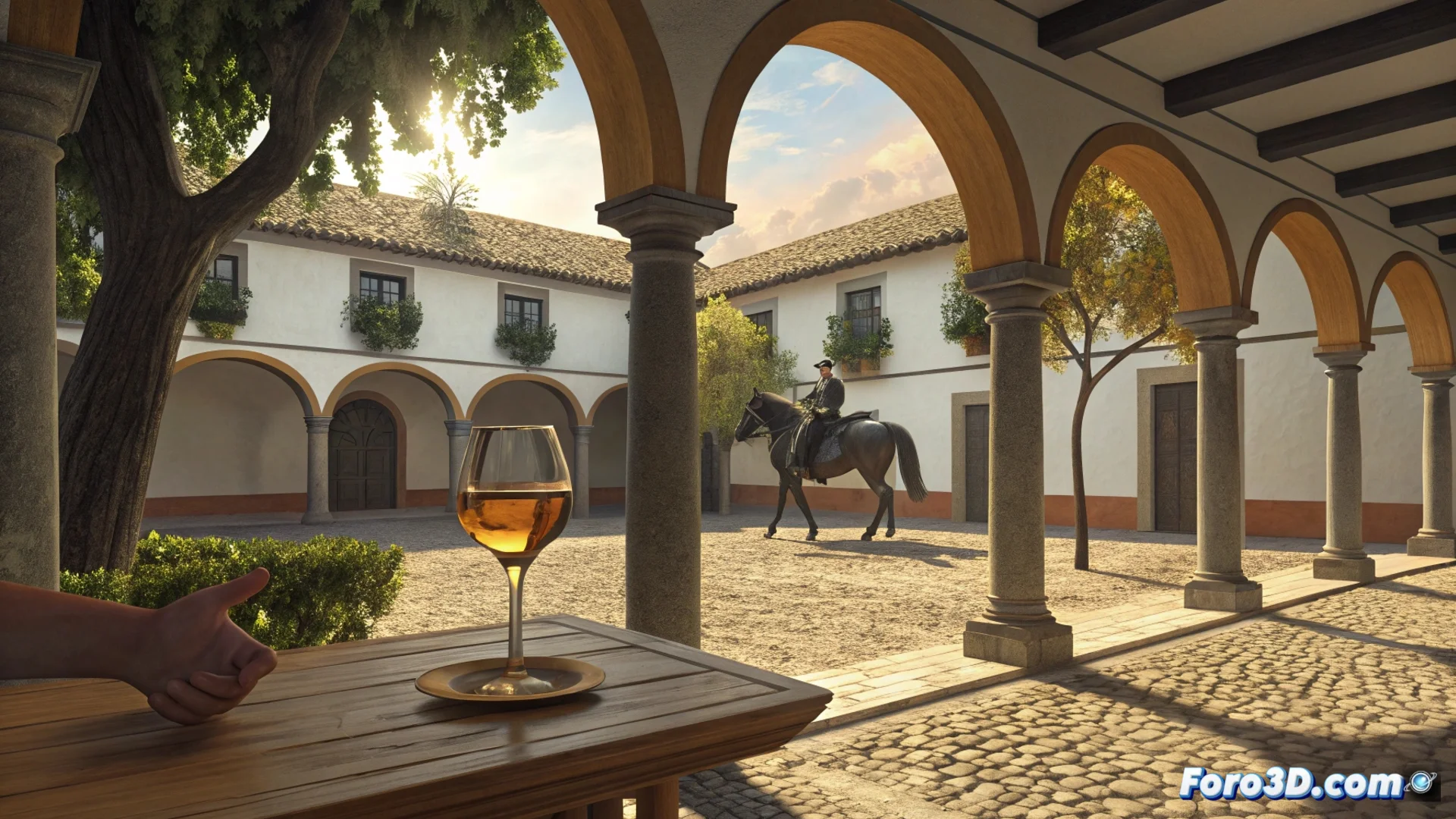
Jerez de la Frontera Aspires to be European Capital of Culture
The Andalusian city of Jerez de la Frontera has formalized its candidacy to obtain the title of European Capital of Culture. This initiative seeks to project a deep cultural identity, expressed through concrete patrimonial elements and a modern artistic scene. The proposal attempts to weave a dialogue between the traditional and the contemporary. 🏛️
The Foundations of the Jerez Candidacy
Jerez's aspiration is not based on abstract concepts, but on living cultural realities. The city proposes a model where intangible heritage and cultural landscape integrate to create a unique offering. The goal is to demonstrate how a medium-sized city can contribute a singular vision to the European cultural panorama.
Central Pillars of the Proposal:- Flamenco: Considered the cradle of this art, Jerez lives it as a constant practice, not just as a memory.
- Wine Culture: Its cellars, landscapes, and know-how form a world-renowned economic and cultural ecosystem.
- Contemporary Vitality: These axes drive a current cultural program that attracts new audiences.
Perhaps the greatest challenge is to explain in Brussels that a fino is served cold and that the palos of flamenco are not for building a hut, but to mark a rhythm that has been beating in the south for centuries.
Equestrian Heritage and Connection with Europe
Jerez hosts the Royal Andalusian School of Equestrian Art, an institution that preserves a unique equestrian tradition. This element combines with a calendar of deeply rooted popular festivals and a performing arts agenda designed to connect with the European cultural circuit.
Key Elements for International Projection:- The Royal School as an ambassador of a singular equestrian heritage and high artistic quality.
- A festive calendar that shows popular culture in its most authentic expression.
- A performing arts program that seeks to dialogue and exchange with other European cities.
The Challenge of Communicating a Living Culture
The candidacy faces the challenge of conveying the essence of a deep and nuanced culture to European institutions. It is not just about listing assets, but transmitting how traditions like flamenco or the ritual of serving wine are lived and felt. Success will depend on being able to communicate this synthesis between the local and