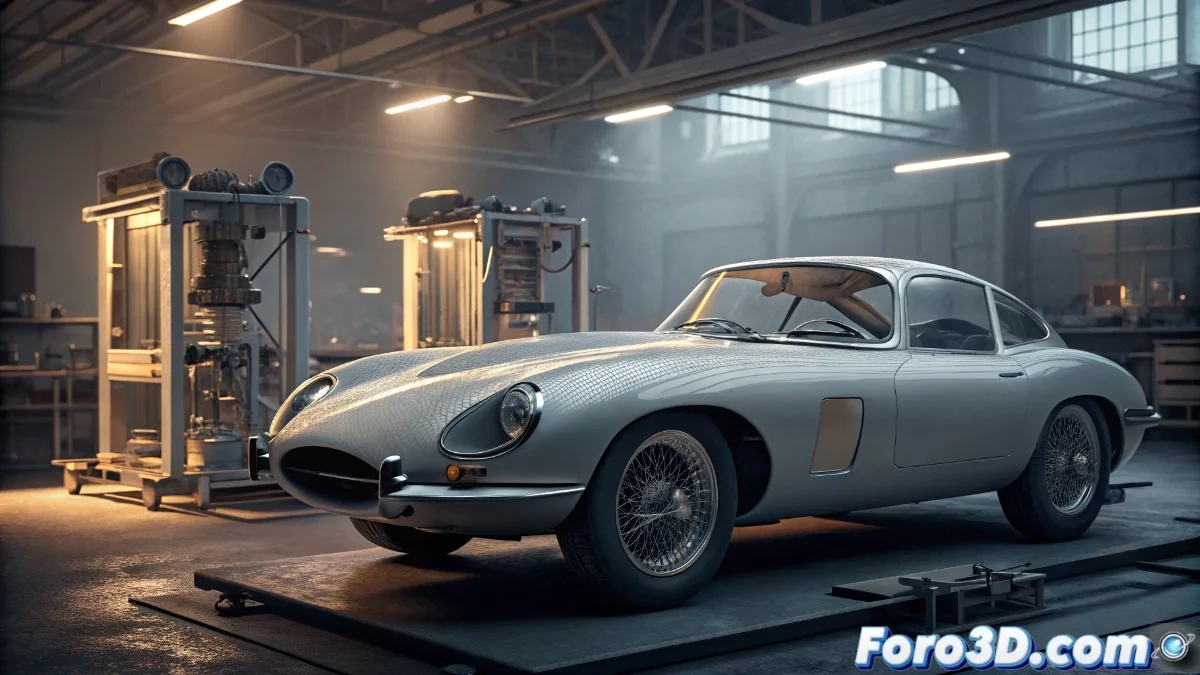
Jaguar Land Rover Transforms Classic Restoration with 3D Printing
The iconic British brand is revolutionizing the automotive restoration world through the implementation of additive manufacturing technology for components that are no longer produced. When original parts for icons like the Land Rover Series I or Jaguar E-Type disappear from the market, the innovative 3D printing solution allows for the creation of perfect replicas of essential elements 🚗✨
Preservation of Automotive Heritage
JLR's strategy demonstrates how additive manufacturing can be successfully applied in the conservation of historical heritage. Through digitization of existing components or reverse engineering recreation, they manage to produce parts identical to the originals in limited runs.
Key benefits of this approach:- Maintenance of historic vehicles that would be impossible to restore using conventional methods
- Guarantee of authenticity and functionality in every manufactured component
- Strengthening of the brand's historic after-sales program
Now mechanics can print spare parts instead of searching for months in remote junkyards, although they still can't print the patience of the owners
Technical Advantages of Digital Manufacturing
3D printing offers production flexibility by eliminating the need for expensive molds for low-demand parts. Specialists can manufacture on-demand complex components with intricate geometries that would be economically unviable using traditional methods 🛠️
Highlighted technical aspects:- Use of specialized materials that replicate original mechanical and aesthetic properties
- Production of small series without prohibitive initial investments
- Ability to recreate everything from specific plastics to compatible metal alloys
Impact on the Classic Automotive Ecosystem
This technological approach not only benefits private collectors but ensures that every classic vehicle can be kept in optimal condition without compromising its original essence. 3D printing is consolidating as the bridge between the automotive past and the possibilities of future manufacturing 🌉