The pioneer who humanized virtual reality
Jacquelyn Ford Morie has redefined the potential of virtual reality, transforming it from a mere technological tool into a medium for deeply connecting with human emotions. Her visionary work, which began in the early days of VR technology, anticipated how artificial intelligence could enhance immersive experiences decades before this was technically possible.
A holistic approach to immersive technology
Morie's contribution stands out for her ability to integrate seemingly distant disciplines:
- Art and science: Fusing creativity with technical rigor
- Technology and emotion: Developing experiences with psychological impact
- Innovation and practical application: From NASA to clinical therapies
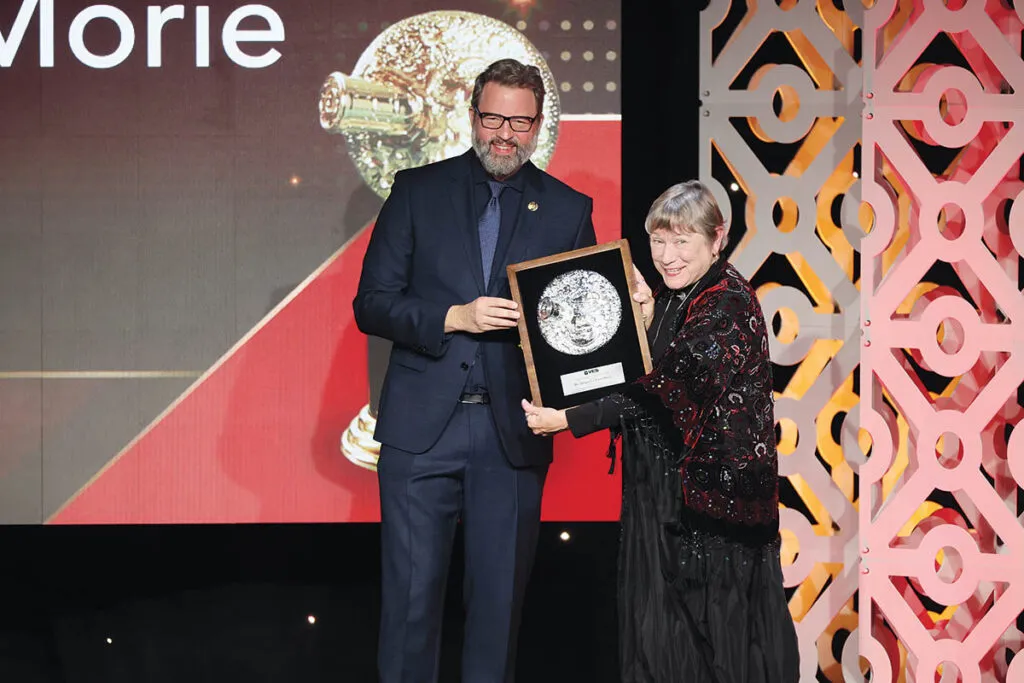
This multidimensional approach earned her the prestigious Georges Méliès award, recognizing her role in the evolution of immersive media.
Virtual reality with a human purpose
Morie's most emblematic projects demonstrate her central philosophy: technology must serve to improve the human condition. Her systems for NASA astronauts, designed to maintain emotional connections during prolonged missions, reveal how VR can transcend entertainment to become a tool for well-being.
"The true magic happens when the technology disappears and only the human experience remains," Morie stated upon receiving her award.
The immersive future: artificial intelligence and emotions
Morie's vision anticipates a future where artificial intelligence and virtual reality converge to create adaptive experiences that respond to each user's emotional needs. Her legacy inspires a new generation of creators who see in these technologies not only technical tools, but bridges to deeper and more meaningful human connections.