Italian SMEs and the Weight of European Regulations
Italy's business fabric, dominated by small and medium-sized enterprises, navigates a complex regulatory environment originating from Brussels. European Union regulations, which seek to unify the market, often translate into burdensome obligations that more modest structures manage with great effort. Complying with technical standards, sustainability reports, or digital requirements consumes resources that many of these companies lack, putting their agility and position on the international stage at risk. 📊
Bureaucratic Suffocation and Its Consequences
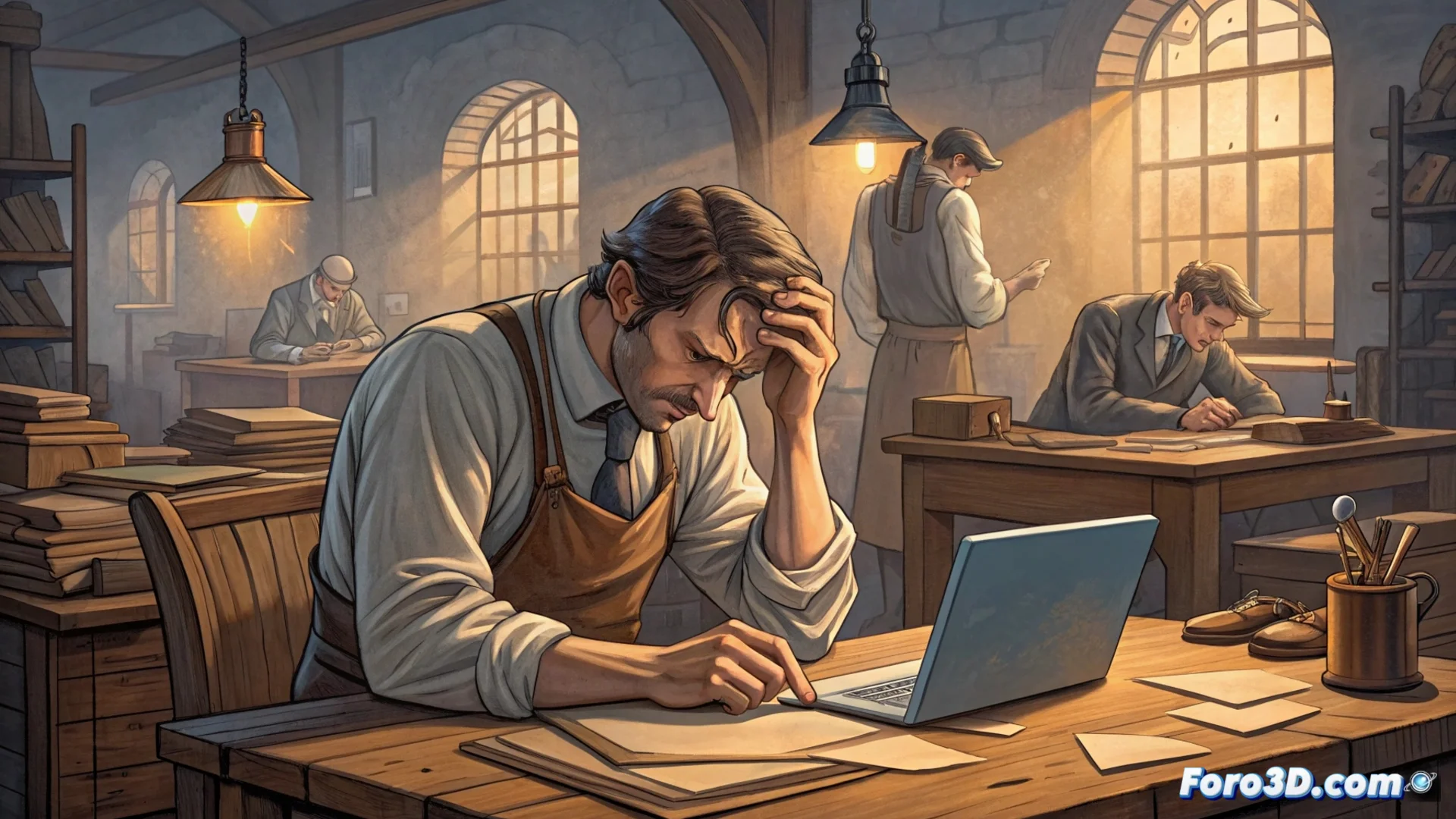
One of the most significant obstacles is the volume of procedures. Directives such as data protection (GDPR), ecodesign, or circular economy packages require companies to dedicate time and personnel to understanding, applying, and documenting their compliance. While a large corporation has a compliance department, in an Italian SME this task often falls on the owner or an employee without specific training, diverting attention from the core business.
Main Identified Burdens:- Interpret and apply EU technical and environmental directives.
- Document and report compliance with standards such as GDPR or REACH.
- Assume adaptation costs without a robust financial structure.
"For a large corporation, this means a department; for an SME, it means the owner juggles between invoices and forms."
Iconic Sectors Under Pressure
Industries that define the Italy brand, such as artisanal manufacturing, the agri-food sector, or luxury fashion, perceive this regulatory framework as a straitjacket. Rules on labeling, product safety, chemicals, or emissions can force modifications to historical production processes. The investment for a small workshop or family vineyard to adapt is not always justified, creating a perception of disadvantage compared to non-EU competitors with less stringent standards. 🏭
Impact on Key Industries:- Manufacturing and crafts: Must change established methods to comply with new regulations.
- Agri-food: Faces strict labeling, traceability, and safety requirements.
- Textile and fashion: Affected by regulations on chemicals and sustainability.
The Future Regulatory Landscape and SMEs' Perspective
While future directives are discussed in European institutions, such as those related to measuring the environmental footprint, many SME managers watch with skepticism. The challenge lies in balancing the legitimate objectives of the single market with the real absorption capacity of smaller companies. Without effective support mechanisms, the risk is that innovation and competitiveness are hampered by a pile of procedures, distancing Italian SMEs from their central role in the European economy. ⚖️