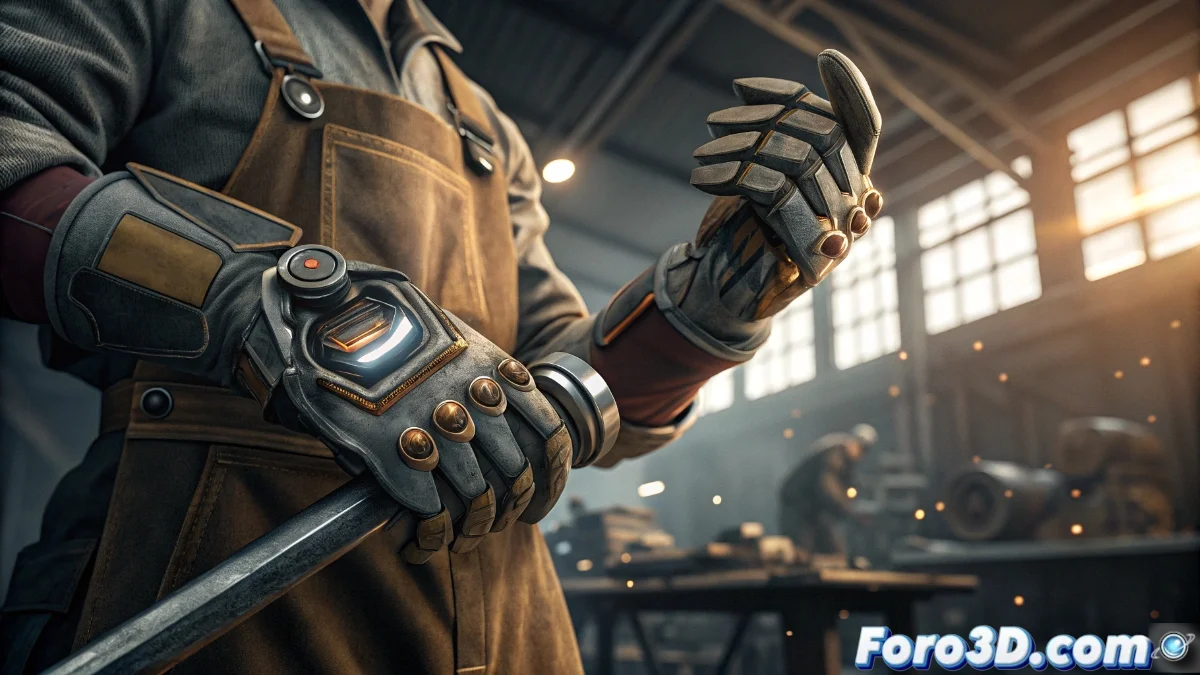
Ironhand: the bionic glove that enhances human strength
Developed by Bioservo Technologies, the Ironhand system represents a significant advancement in the integration between humans and machines. This bionic exoskeleton in the form of a glove is specifically designed to improve grip capacity by amplifying the user's natural strength. Its application extends mainly to industrial and therapeutic contexts, where it considerably reduces muscle fatigue during activities that require continuous handling of objects. 🦾
Technology and operating mechanism
The system operates through a network of biometric sensors that constantly monitor muscle activity in the hand and forearm. When they detect the intention to perform a gripping movement, they send instantaneous signals to the mechanical actuators incorporated in the glove, generating supplementary force that synchronizes with the user's. This technology not only increases grip power but also serves as a preventive tool against disorders such as tendinitis or carpal tunnel syndrome, common in assembly and distribution tasks.
Key system components:- Pressure and motion sensors that capture the user's intention
- Pneumatic actuators that generate synchronized additional force
- Lightweight composite material structure for prolonged comfort
The true innovation is not in replacing human strength, but in intelligently complementing it where it is most needed
Practical implementation and sectoral advantages
In the industrial sector, this device has become an invaluable ally for operations involving constant handling of heavy instruments or fragile components. Its implementation has demonstrated notable improvements in operational efficiency and reduction of work absences. Similarly, in the medical field, it facilitates recovery processes in patients with manual strength deficits due to accidents or neurological conditions. Continued use contributes to joint health maintenance, positively impacting users' quality of life.
Highlighted areas of application:- Industrial production lines with repetitive handling
- Rehabilitation centers and occupational therapy
- Logistics warehouses with high frequency of movements
Impact and future considerations
The implementation of this assistive technology marks a turning point in workplace ergonomics and physical rehabilitation. Beyond practical applications, it raises interesting reflections on human-machine interaction and the limits of augmented physical capacity. While devices like Ironhand solve immediate problems of fatigue and injuries, they also invite us to consider how we will balance our natural abilities with the advantages offered by technology. The future will likely see even closer integration between our movements and robotic assistance. 💡