Invisible Risks of Resin 3D Printers and Protection Measures
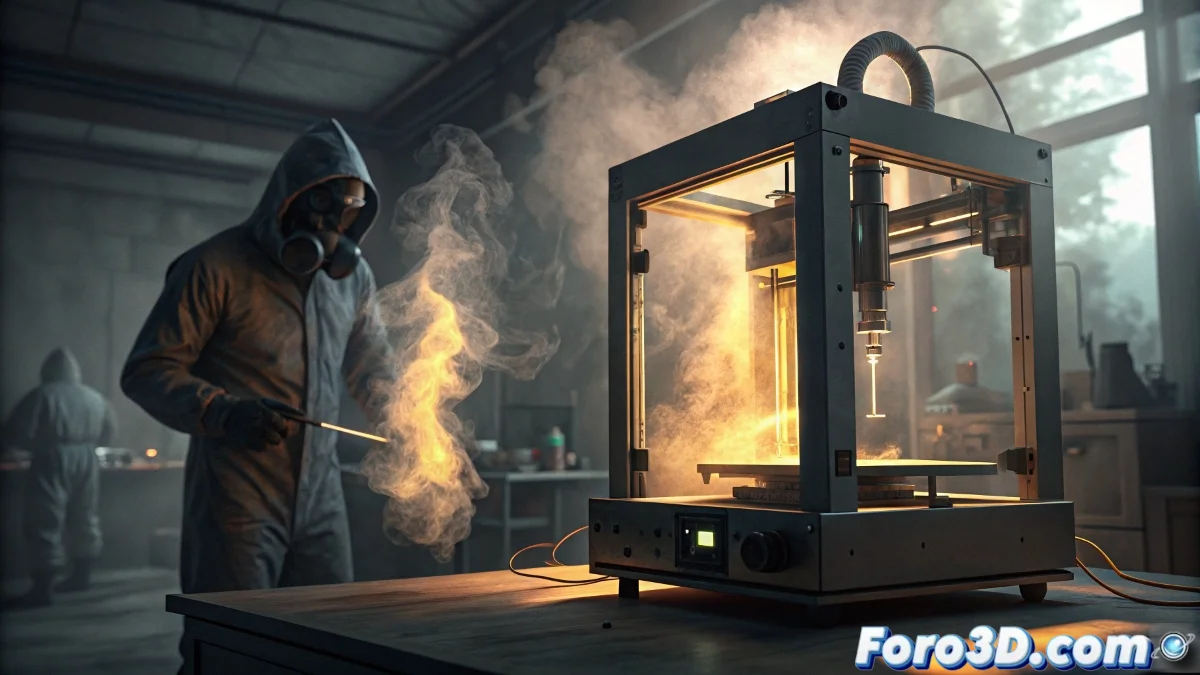
Resin 3D printers are raising alarms in the medical and occupational safety communities due to the release of hazardous chemical compounds during their operation. These devices, increasingly present in homes and educational centers, emit volatile substances that can remain suspended in the air for long periods, especially in enclosed spaces where users operate without adequate protection 🚨.
The Hidden Danger of Volatile Compounds
VOCs or volatile organic compounds represent the most significant threat in printing with photosensitive resins. Among these emissions are components such as styrene and formaldehyde, recognized for their irritating effects on the respiratory system and mucous membranes. Continuous exposure can trigger persistent respiratory problems, recurrent headaches, and even alterations in the central nervous system, being particularly dangerous for people with pre-existing respiratory conditions or those who regularly handle these technologies without precautions.
Main identified risks:- Irritation of respiratory tract and mucous membranes due to exposure to styrene and formaldehyde
- Development of chronic respiratory problems with prolonged exposure
- Central nervous system alterations due to accumulation of volatile compounds
The technology that allows us to materialize three-dimensional objects confronts us with completely imperceptible threats, as if the liquid resin reclaimed its natural state through invisible vapors
Essential Strategies for Safe Printing
Appropriate ventilation stands out as the fundamental element to minimize associated dangers. Experts insist on operating these printers exclusively in areas with sufficient air circulation, ideally implementing mechanical extraction systems or specialized workshop hoods. The use of masks with specific filters for organic vapors is indispensable during the handling of liquid resins and in post-processing phases. Equipping the work area with environmental quality sensors allows real-time monitoring of VOC concentrations, while storing materials in sealed containers reduces continuous environmental exposure.
Recommended protection measures:- Installation in ventilated areas with active extraction systems or specialized hoods
- Mandatory use of masks with filters for organic vapors during handling and post-processing
- Implementation of air quality meters for continuous VOC monitoring
Towards a Collective Safety Awareness
The domestic popularization of this technology requires the parallel development of a prevention culture among users. It is essential to understand that the risks, although invisible, are completely real and preventable through appropriate practices. The combination of efficient ventilation, personal protective equipment, and environmental monitoring constitutes the essential triad to enjoy the benefits of resin 3D printing without compromising health 🛡️.