A Masterstroke or a Backfire
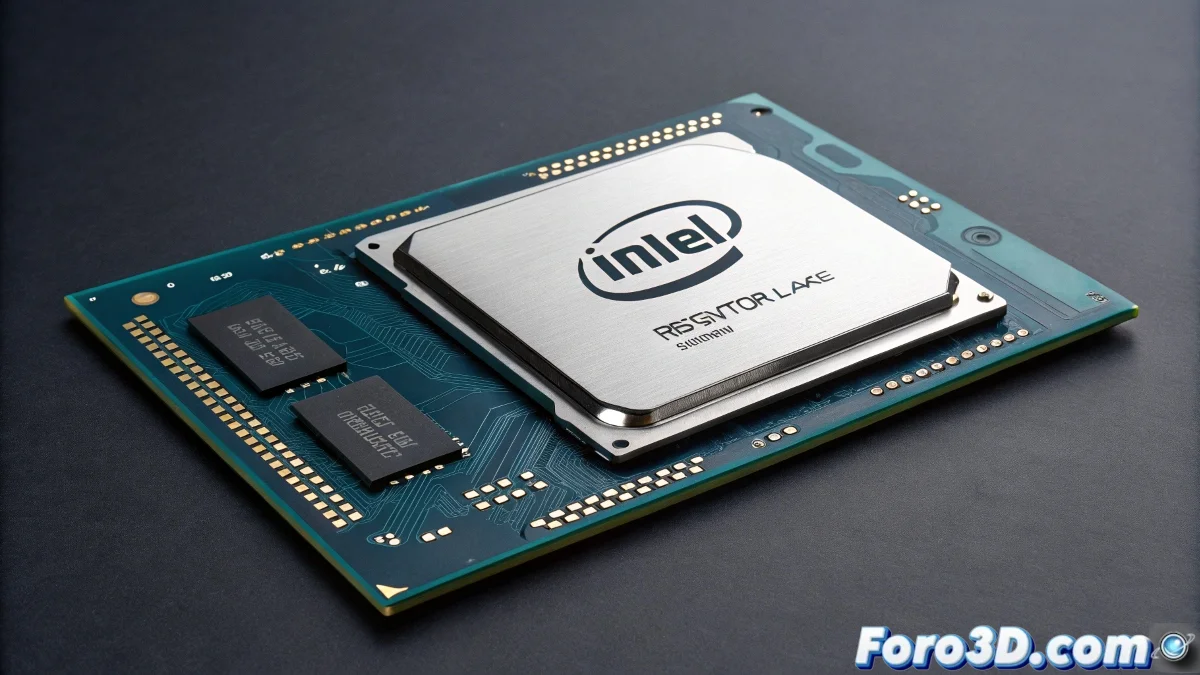
In a move that has left the community perplexed, Intel announces a price increase of over 10% for its Raptor Lake processors. The peculiar thing about this case is that it's a generation that many already considered on the path to obsolescence, especially with the arrival of new chips loaded with integrated AI. It seems that when the new doesn't sell as expected, the old and reliable becomes a luxury product. 💎
Why Punish Those Who Still Buy from You?
The reason behind this decision is as simple as it is striking: demand for AI-focused CPUs has been weak. Consumers have not shown the expected interest in these new capabilities, preferring proven brute power for gaming and productivity. Faced with this scenario, Intel decides to revalue what does work, even if it sounds contradictory. It's like raising the price of yesterday's bread because the new cheesecake didn't convince anyone. 🍞
Advantages of Sticking to the Known
Despite the increase, Raptor Lake processors remain a very valid option for a wide spectrum of users. Their strong points are hard to ignore.
- Immediate availability: In contrast to possible shortages of new releases.
- Consolidated performance: They offer excellent performance in games and traditional applications.
- Stable ecosystem: Wide and proven compatibility with motherboards and memory.
For those who don't need ultra-powerful NPUs, this generation is still more than sufficient. 💻
The Shadows of a Controversial Decision
Not everything is advantages. The price hike puts Raptor Lake in a tricky position, with several evident disadvantages.
- Unjustified price: Old hardware with a renewed cost.
- Fierce competition: It faces more modern AMD options at similar prices.
- Risk of migration: It could push users to seek alternatives from the competition.
Intel is betting on increasing the value of its Raptor Lake processors in a curious context: failing to capture enough interest with its AI chips, it decides to raise the price of what people still want to buy.
The Final Verdict for the User
This Intel strategy is a clear reflection of market tensions. While the company tries to push its vision toward AI, everyday users continue to value performance per euro above new features that are not yet widespread. The move reminds one of that collector who, unable to sell his old figures, decides to double the price trusting that one day they will be relics. 🎯
In the end, the consumer has the last word. And this increase might incentivize many to look more closely at what the competition offers, proving that in the hardware world, brand loyalty is as fragile as a chip without a heatsink. 😉