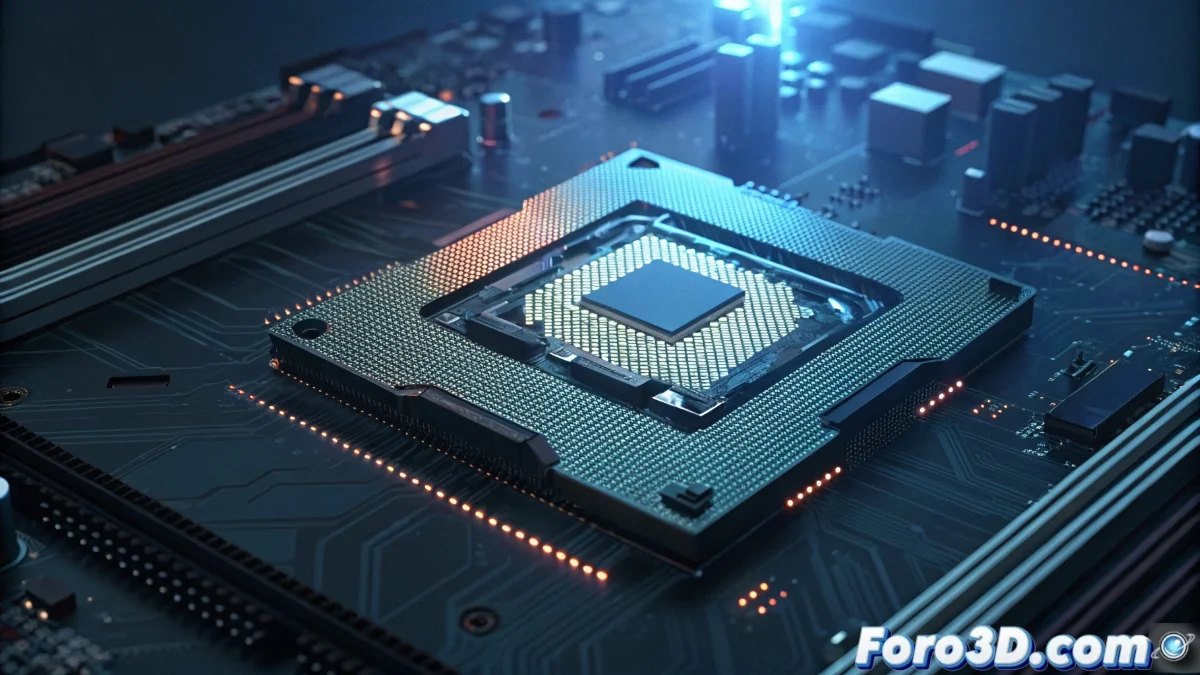
Intel Presents the New Core Ultra 290K, 270K, and 250K Processors with Improvements in Performance and Efficiency
Intel has unveiled its new Core Ultra processors 290K, 270K, and 250K, which incorporate significant advances in speed and power management. These models raise operating frequencies, integrate more E efficiency cores, and include native support for DDR5-7200 memory, positioning themselves as ideal options for users who require high processing power in demanding applications. 🚀
Architecture and Technical Specifications
The architecture of the Core Ultra 290K, 270K, and 250K has been optimized to balance power and consumption, combining P performance cores with a greater number of E cores. This allows for smoother handling of multitasking loads, while DDR5-7200 memory ensures superior bandwidth, essential for high-resolution gaming and data-intensive applications. Base and turbo frequencies have increased notably, guaranteeing sustained performance even in high-demand scenarios. 💻
Main Features:- Greater number of E efficiency cores to improve multitasking
- Native support for DDR5-7200 memory, ideal for gaming and rendering
- Significant increases in base and turbo frequencies for stable performance
The inclusion of DDR5-7200 places these chips at the forefront in compatibility with emerging technologies, offering tangible improvements in tasks such as 3D rendering and streaming.
Market Impact and Competition
With these launches, Intel strengthens its presence in the high-end processor segment, competing directly with AMD's latest offerings. Users can expect notable improvements in applications such as 3D rendering, streaming, and next-generation games, where memory speed and core count are determining factors. This strategy reflects Intel's commitment to staying relevant in a constantly evolving industry, although questions arise about the cooling requirements needed to maintain performance under maximum load. ⚙️
Key Aspects of the Impact:- Direct competition with AMD in the high-performance segment
- Tangible improvements in intensive tasks like rendering and gaming
- Possible need for advanced cooling systems for stability
Final Considerations for Users
Although Intel promises higher frequencies and more cores, it is important to consider the cooling requirements, which may demand sizable solutions to maintain stability under maximum load. Compatibility with DDR5-7200 offers a perfect excuse to upgrade the entire platform, although this could imply additional investment. In summary, these processors represent a step forward in performance and efficiency, ideal for enthusiasts and creators looking to maximize their processing capacity. 💰