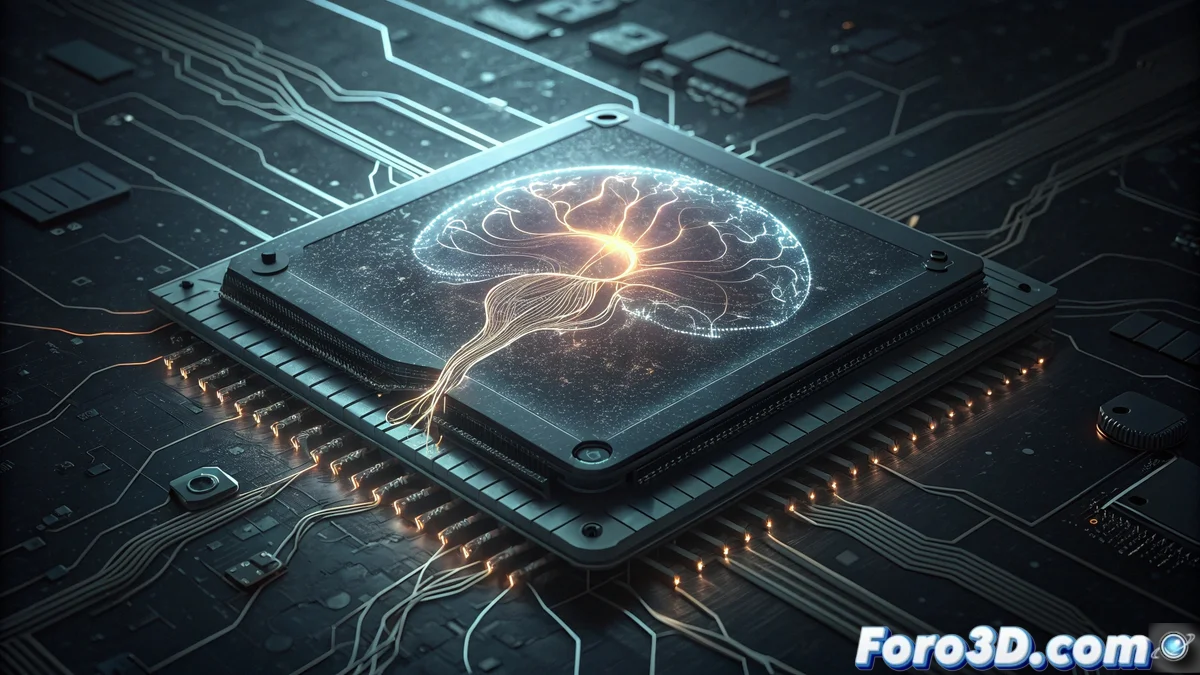
Intel Loihi 2: the future of neuromorphic computing
Neuromorphic computing takes a qualitative leap with the Intel Loihi 2 processor, specifically designed to replicate the functioning of the human brain through artificial neural networks. This technology represents a radical evolution compared to traditional systems, promising to completely transform how we approach artificial intelligence challenges. 🧠
Revolutionary architecture based on neuronal spikes
The Loihi 2 architecture is based on the precise emulation of biological neural networks, where information travels through electrical impulses similar to those in our nervous system. This approach enables asynchronous and distributed processing that drastically optimizes energy consumption in complex operations such as pattern recognition and optimization problem solving.
Main features of the architecture:- Data transmission via neuronal spikes that mimic biological synapses
- Parallel and distributed operation without reliance on centralized clocks
- Synaptic plasticity that allows dynamic adaptation to new inputs
Neuromorphic computing does not seek to replicate traditional architecture, but to emulate the efficiency and adaptability of the human brain
Transformative applications in AI and energy efficiency
The applications of Loihi 2 extend from autonomous robotic systems to intelligent sensor networks, standing out especially in scenarios that demand continuous learning and low-latency responses. Its neuromorphic design makes it the ideal solution for environments where energy efficiency is critical, such as edge computing devices and autonomous systems that require prolonged operation.
Competitive advantages over conventional systems:- Drastic reduction in energy consumption compared to traditional GPUs and CPUs
- Ability to implement AI algorithms that simulate complex cognitive processes
- Continuous performance improvement without the need for extensive reprogramming
The path to mass adoption
Although the revolutionary potential of Loihi 2 is undeniable, its implementation in mass consumer devices like smartphones still requires further development. The barrier is not technological but conceptual adaptation, as our mindset must evolve to accept that machines can learn and improve continuously without consuming excessive resources. This technology paves the way for a new era in computing where efficiency and intelligence merge harmoniously. 🚀