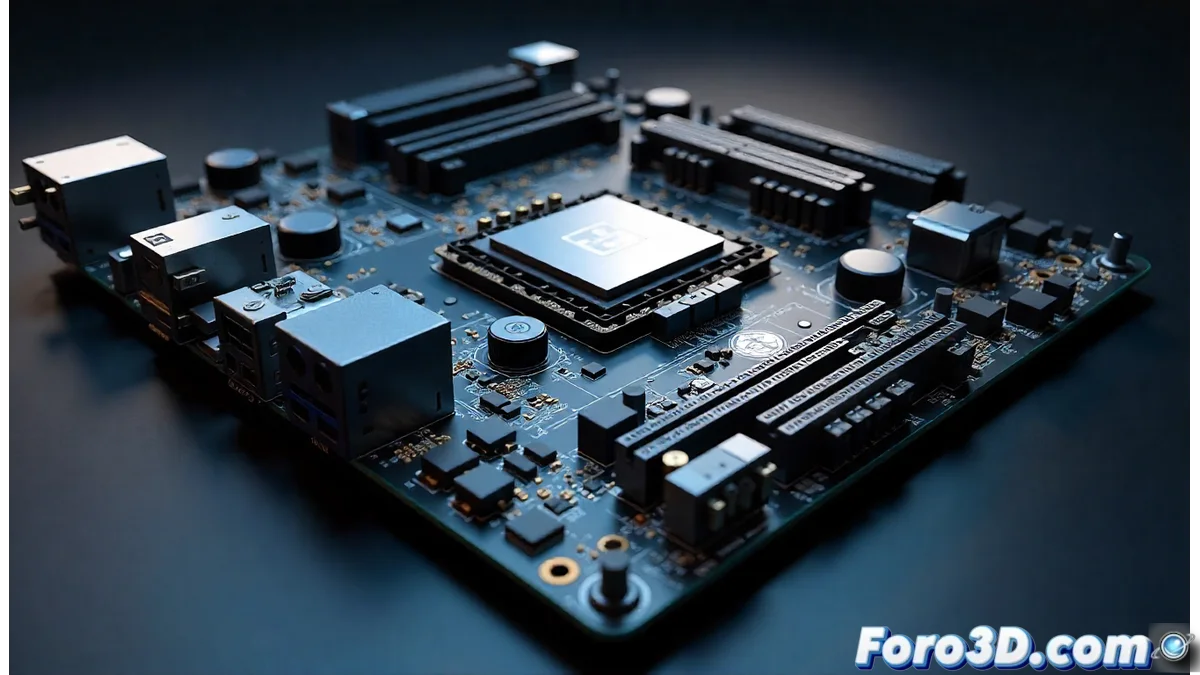
Intel Cancels Xeon Diamond Rapids Models with 8 DIMMs to Focus on High-Performance Servers
In a significant strategic move, Intel has decided to completely eliminate the Xeon 7 models from its next-generation Diamond Rapids that offered support for 8 memory modules, concentrating all its efforts on developing exclusively processors with 16 memory channels to maximize bandwidth in critical applications. 🔄
Strategic Reorientation in the Enterprise Segment
This decision represents a fundamental shift in the company's priorities, focusing on more specialized markets where memory capacity and access speed are determinants for overall performance in corporate servers and premium workstations. The portfolio simplification aims to optimize development resources but limits options for customers who preferred more balanced configurations between cost and performance.
Immediate Impacts on the Ecosystem:- Elimination of 8 DIMM configurations that offered better cost-performance ratio
- Exclusive focus on enterprise servers and data centers with extreme processing demands
- Potential increase in power consumption and prices to offset performance improvements
Intel is betting heavily on pure performance, sacrificing option diversity to dominate in applications where memory management is critical
Competitiveness Against the Alternative Market
The strategy could affect Intel's competitive position against solutions like AMD EPYC, especially in segments where users value configuration flexibility. Processors with 16 channels promise substantial improvements in tasks such as big data analysis, artificial intelligence, and massive virtualization, although this implies higher energy requirements and elevated costs.
Advantages and Disadvantages of the New Approach:- Greater bandwidth for data-intensive applications
- Simplification of the product portfolio and manufacturing processes
- Possible loss of market share in segments that value economical configurations
Market Perspectives and Reactions
The cancellation has generated mixed reactions among analysts and end users. While some applaud the decision for prioritizing maximum performance, others express concern over the reduction in available option diversity. Intel trusts that the benefits in memory throughput will justify this simplification, especially in an environment where data handling efficiency is increasingly crucial. 🚀
Immediate Future and Availability
Diamond Rapids is expected to arrive on the market during the next update cycles, although Intel keeps specific launch dates under wraps. In the long term, this strategy could consolidate Intel's position in high-performance applications, but it also creates opportunities for competitors offering more diversified and accessible solutions. The future will tell if this bet on extreme specialization turns out to be the right move. 💡