Insydium Presents Its Revolutionary FLIP Solver Integrated into NeXus for Cinema 4D
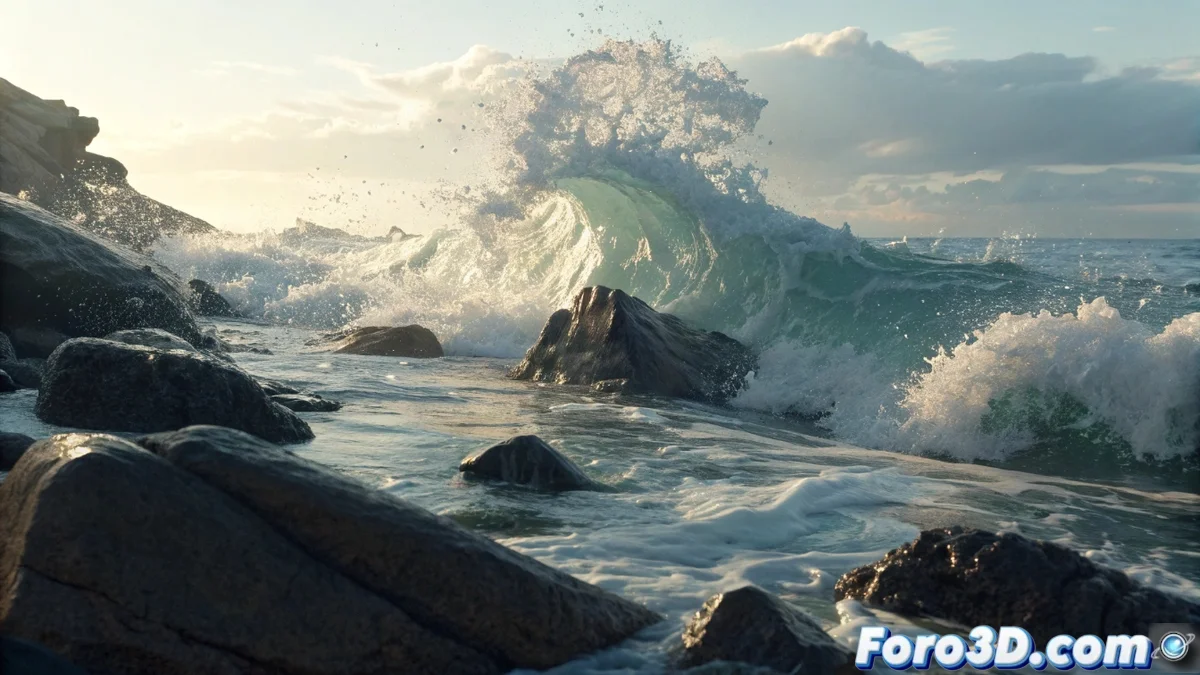
The company Insydium has unveiled a preview of its innovative FLIP solver, fully integrated into the NeXus platform, setting a new standard in fluid simulation for Cinema 4D. This development represents the company's most significant evolution in liquid technology, providing artists with an unprecedented level of control over aquatic simulations and various fluid types. The implementation leverages NeXus's modern architecture to deliver cinematic-quality results with extraordinary efficiency 🌊
Advanced Technical Architecture of the FLIP Solver
The FLIP solver operates within the unified NeXus ecosystem, employing a smart combination of Mesh | Compute methods that substantially optimize performance. Native integration with Cinema 4D enables a completely seamless workflow where artists can adjust parameters in real-time and visualize results instantly. The system handles complex fluid-geometry interactions with enhanced physical precision, maintaining stability even in high-density and complex scenes.
Key Technical Features:- Operation within the unified NeXus ecosystem with Mesh | Compute methods
- Native integration with Cinema 4D for seamless workflow
- Handling of complex fluid-geometry interactions with enhanced physical precision
This FLIP solver marks a before and after in fluid simulation for Cinema 4D, combining technical power with artistic usability
Applications and Creative Capabilities
Among the most standout capabilities are the simulation of breaking waves, realistic splashes, and turbulent flows with detailed foam. Users can create everything from individual small droplets to complete oceans using the same unified toolset. The implementation includes intuitive controls for parameters like viscosity, surface tension, and external forces, simplifying the creation of effects that previously required multiple steps and specialized software.
Main Creative Applications:- Simulation of breaking waves and turbulent flow patterns
- Generation of realistic splashes and detailed foam
- Creation of aquatic scenes from micro droplets to macro oceans
Technical Considerations and System Requirements
With so much processing power available, it's important to consider that your machine might show signs of strain during complex simulations. The sound of fans working at maximum could remind you that you're demanding the best from your hardware. It might be the perfect time to evaluate if you need to implement a real liquid cooling system to complement your virtual liquid simulations, ensuring stable and prolonged performance during intensive work sessions 💻