Instagram Director Warns About the Avalanche of AI-Generated Content
Instagram's top executive, Adam Mosseri, has issued a warning about a phenomenon growing worldwide: the flood of synthetic content produced by artificial intelligence. The platform is facing an unprecedented volume of algorithm-generated material, which poses new challenges for its ecosystem. 🤖
AI Surpasses the "Imperfect" Barrier
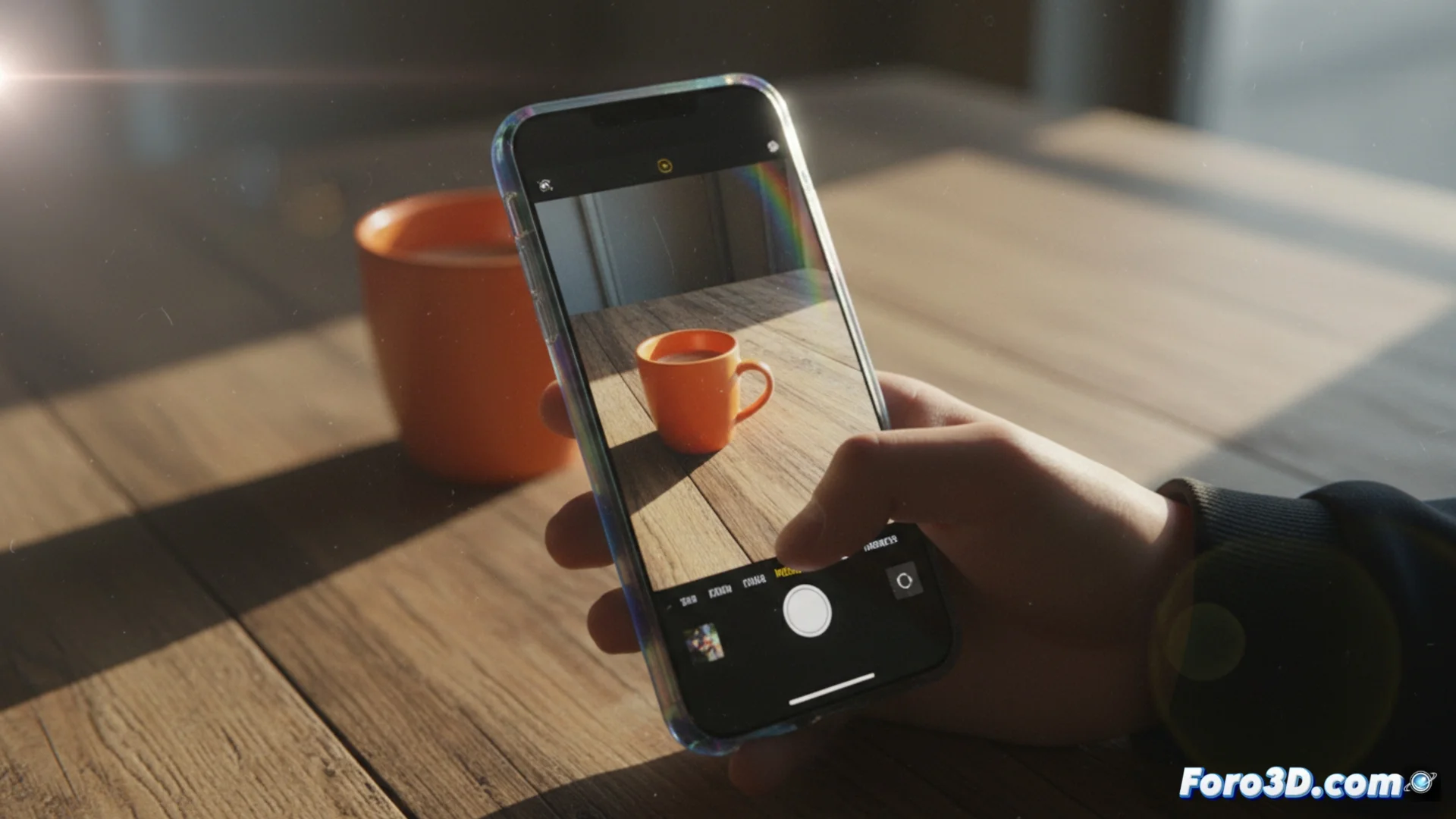
Generative AI tools have refined their capabilities so much that they can now replicate the typical flaws of a photo taken with an ordinary mobile phone. This includes simulating digital noise, motion blur, or poor lighting, features that previously served as clear clues to identify human content. This evolution makes it difficult to discern between what is captured by a person and what is fabricated by a machine.
Features that AI now imitates perfectly:- The grain or visual noise from low-quality sensors.
- Accidental blur due to motion or low light.
- Compression artifacts and unnatural colors.
In an ocean of perfect but artificial content, what truly connects with the audience is authenticity and human stories.
The Call for Authenticity for Creators
In this scenario, the platform's recommendation is direct. Mosseri urges content creators to focus their efforts on producing genuine material that offers a unique personal perspective. The differentiating value no longer lies in technical perfection, which AI can generate en masse, but in the human experience and the author's originality.
Key Tips to Stand Out in the New Digital Era:- Prioritize authenticity and personal stories.
- Develop a unique and unmistakable point of view.
- Focus on connecting with the audience on an emotional level.
A Future Where Doubting Will Be Habitual
The platform anticipates that this massive flow of synthetic content will force a rethinking of how authenticity is verified and valued on the social network. Although no specific technical measures are detailed, the message is clear: the digital landscape is evolving toward a space where doubting whether a mediocre image is real or artificial could become a common routine for users. 🔍